


Multi-Channel Tag Management: Streamlining Data Collection across Digital Touchpoint
Published: November 09, 2023 | Updated: July 09, 2025
Introduction
An ever-expanding array of digital touchpoints generates a wealth of data for businesses, which is both an opportunity and a challenge.
Within the realm of data analytics, we encounter a multitude of types. From web analytics to mobile app analytics to offline analytics, each type of analytics has its own unique strengths and advantages.
A concept that offers a lifeline to businesses navigating this intricate web of data sources is multi-channel tag management. The core idea behind multi-channel tag management is to bring order to the chaos of data collection. By effectively managing tags (pieces of code that collect data) across various channels, businesses can harmonize their data analytics efforts. In a landscape where data can be fragmented and inconsistent, this single version of truth serves as the foundation for sound decision-making.
In this thought leadership article, we will journey through the various facets of multi-channel tag management, explore the significance of distinct tag management for different channels, discuss challenges in managing multiple data sources and tag systems, how to consolidate data from different channels, and the significance of a universal data layer in this space to create a consolidated and accurate single source of truth.
Understanding Different Types of Analytics and Tag Management
Types of Analytics:
Analytics plays a vital role in shedding light on the performance and interactions within each unique channel in the digital ecosystem. Here are the some of the key types of analytics:
- Web Analytics: Web analytics focuses on monitoring user behavior on websites. It provides insights into website traffic, page views, click-through rates, and user demographics.
- Mobile App Analytics: As mobile devices become more prevalent, tracking user behavior within mobile apps is crucial. Mobile app analytics tools help businesses understand app engagement, user retention, and in-app activities, enabling them to optimize their mobile strategies.
- Offline Analytics: Offline analytics extends the analytical lens beyond the digital realm, encompassing in-store purchases, and other offline touchpoints. It offers insights into customer preferences and behaviors in the physical world.
The Significance of Distinct Tag Management for Different Channels
While the importance of analytics in decision-making is well-recognized, it's equally essential to acknowledge that each channel requires a specific set of tags for data collection. Here are the critical reasons why distinct tag management for different channels matters the most:
- Specialized Insights: Each channel offers unique data. Tailored tag management ensures you capture channel-specific insights accurately.
- Precision Tracking: Specific tags track precise behaviors on web, mobile, and offline platforms, offering more granular information.
- Optimized Resource Allocation: Dedicated tag management helps allocate resources efficiently to channels, maximizing impact.
- Adaptation to Channel Changes: Different channels evolve at varying rates. Distinct tag management allows you to adapt to changes in technology and user behavior on each channel separately, ensuring that you stay up-to-date and competitive.
- Effective Performance Monitoring: Distinct tag management simplifies the process of monitoring the performance of each channel. By managing tags separately, you can quickly identify any issues, track KPIs, and optimize channel-specific strategies to ensure peak performance and user satisfaction.
Challenges in Managing Multiple Data Sources and Tag Systems
The multiplicity of data sources and tag systems presents several challenges for businesses:

- Data Fragmentation: With different tags for web, mobile, and offline channels, data can become fragmented and isolated. This makes it difficult to gain a holistic view of customer interactions and behaviors.
- Inconsistent Data: Managing multiple tag systems may lead to inconsistencies in data collection, storage, and reporting. Inaccuracies and disparities can hinder decision-making processes.
- Resource Overhead: Maintaining various tag systems requires dedicated resources, both in terms of time and expertise. This can strain an organization's capabilities and budget.
- Data Privacy and Compliance: Different channels often come with unique privacy and compliance requirements. Ensuring that all tags are compliant with regulations like GDPR or CCPA adds complexity to tag management.
To address these challenges, businesses needs multi-channel tag management solutions that consolidate data from various sources, providing a unified, accurate, and efficient system for data collection, analysis, and utilization.
What is Multi-Channel Tag Management, and How Does It Work?
Multi-channel tag management is a dynamic solution designed to streamline and optimize the management of tracking tags across a wide array of digital touchpoints, including websites, mobile applications, and offline channels. It operates by providing a centralized platform that enables businesses to manage the deployment, maintenance, and governance of tracking tags more efficiently. This system allows users to add, edit, or remove tags, such as those used for web analytics, marketing, and other purposes, without the need for intricate technical knowledge. It works by injecting a container tag or script into the code of web pages and apps.
This container tag serves as a control center that manages the various tracking tags deployed across different channels. When users interact with a web page or app, the container tag triggers the appropriate tracking tags, collecting data and sending it to analytics or marketing platforms for further analysis and action.
"A streamlined approach to data collection empowers businesses to cut through the digital noise, pinpoint what truly matters, and deliver experiences that resonate with their customers."
Consolidating Data from Multiple Channels
The Importance of Integrating Data from Web, Mobile, and Offline Sources
Businesses need a 360-degree view of their customers in this complex digital landscape. This view extends beyond online interactions to encompass offline channels, providing a comprehensive understanding of customer behavior.
- Comprehensive Customer Understanding: Integrating data from all channels provides a complete picture of how customers interact with your business, allowing you to understand their preferences and behaviors.
- Effective Marketing: With a holistic view of customer data, you can create more targeted and effective marketing strategies, tailoring your messages to specific customer segments based on their interactions across various channels.
- Seamless Customer Experience: A unified view enables you to deliver a consistent and personalized experience to customers, whether they're online or offline, enhancing their satisfaction and loyalty.
- Optimized Resource Allocation: By consolidating data, you can identify high-performing and underperforming channels, helping you allocate resources where they are most effective.
The Role of a Universal Data Layer in Achieving Data Consolidation
A universal data layer is a pivotal component in the quest to consolidate data from diverse channels. Using a universal data layer is instrumental in future-proofing channel analytics as it acts as a standardized, structured framework for data collection, harmonizing data sources and facilitating their integration.
Here's how it helps in achieving data consolidation:
- Standardization: A universal data layer provides a standardized method for tagging and collecting data across various channels. This consistency ensures that data is compatible and can be easily combined for analysis.
- Simplified Tag Management: With a universal data layer in place, you can streamline the management of tags. Tag implementation and updates become more efficient, reducing the risk of errors and discrepancies.
- Data Mapping and Transformation: A data layer can map and transform data from different channels, making it coherent and readily available for analysis. This simplifies the process of creating a single version of truth.
- Flexibility and Scalability: A well-designed data layer is flexible and scalable, accommodating the evolving data needs of your business. It can adapt to changes in technology, regulations, and customer behavior.
By implementing a universal data layer, businesses can bridge the gap between web, mobile, and offline data sources, creating a consolidated and accurate single source of truth.
Using a Universal Data Layer
Key Considerations When Implementing a Universal Data Layer
While the concept of a universal data layer holds immense potential, it also comes with various considerations that must be carefully addressed to ensure its success.
- Data Needs Assessment: Start by assessing your organization's data requirements across web, mobile, and offline channels. This will help you identify what data elements are essential for your business.
- Tag Governance: Establish governance policies for tag implementation and data collection to ensure consistency and compliance with privacy regulations.
- Data Security: Implement robust security measures to protect the data collected through the universal data layer, especially if it contains sensitive customer information.
- Scalability: Ensure that the data layer is scalable to accommodate changes in data volume and the addition of new data sources as your business grows.
- Staff Training: Train your team on how to effectively use the universal data layer, ensuring that everyone understands its functions and best practices for data collection.
- Regular Auditing: Periodically review and audit the data layer to verify that it is functioning correctly and that data quality remains high.
By taking these key considerations into account, businesses can successfully implement a universal data layer that helps bridge the gap between web, mobile, and offline data sources, ultimately creating a consolidated, accurate source of truth. This single version of truth empowers businesses to make data-driven decisions with confidence and agility.
Conclusion
The role of data has become central to the success of enterprise companies in this ever-expanding digital landscape. The implementation of a universal data layer and the consolidation of channel analytics, powered by multi-channel tag management, emerge as a pivotal strategy to navigate this complex terrain. By streamlining data collection across diverse channels, businesses gain access to a single version of truth that holds the key to transformation.
This consolidated approach ensures data consistency, empowers data-driven decision-making, and provides organizations with comprehensive insights into customer behaviors and preferences. It not only enhances operational efficiency but also fosters more personalized and targeted marketing, ultimately improving the customer experience.
With a universal data layer in place, companies can position themselves at the forefront of the digital age, armed with the tools they need to thrive and adapt in an ever-changing landscape.



Global Office Locations

2570 N. First Street, Suite 200,
San Jose, CA 95131

Office No. 26, 10/F, Beverley Commercial Centre,
87-105 Chatham Road South, Tsim Sha Tsui, Kowloon,
Hong Kong

The Octagon Building, #11-07, 105, Cecil Street,
Singapore 069 534

#901, 9th Floor , Ellora Fiesta.
Plot No - 8 , Sector - 11 , Sanpada.
Opp. Juinagar Rly Station.
Navi Mumbai – 400 705

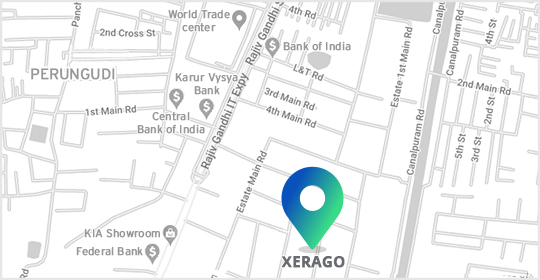
Xerago Towers, Plot 80 & 93,
Industrial Estate, Perungudi,
Chennai, Tamil Nadu - 600096




(Coming Soon)
2570 N. First Street, Suite 200,
San Jose, CA 95131
Office No. 26, 10/F, Beverley Commercial Centre,
87-105 Chatham Road South,
Tsim Sha Tsui, Kowloon,
Hong Kong
The Octagon Building, #11-07, 105, Cecil Street,
Singapore 069 534
#901, 9th Floor , Ellora Fiesta.
Plot No - 8 , Sector - 11 , Sanpada.
Opp. Juinagar Rly Station.
Navi Mumbai – 400 705
Xerago Towers, Plot 80 & 93,
Industrial Estate, Perungudi,
Chennai, Tamil Nadu - 600096
(Coming Soon)