



Mastering Tag Management for Cross-Channel Tracking
Published: November 07, 2023 | Updated: September 30, 2024
The What and Why of DTM
Tags are snippets of code embedded in digital properties that are essential for collecting data and sending it to third-party tools for analysis. Dynamic Tag Management (DTM) is a system that allows marketers to efficiently manage, deploy, and update different types of tracking tags on websites or applications, or across channels or devices, without manual coding.
When you implement DTM to manage tags on a website or app, it provides Optimization and Analytics teams with a more agile and flexible approach to data collection. Businesses use a centralized platform to streamline the implementation and updating of tags, ensuring accuracy and consistency in data collection. This technology significantly reduces the reliance on IT resources, enabling marketing teams to swiftly create a digital impact by responding to changing business needs and tracking user behavior in real-time.
[Get Our Free Guide] - "7 Signs You Need a Tagging Tune-up"
Download now!
Challenges of Cross-Channel Tracking and the Role of Dynamic Tag Management
Cross-channel tracking is the monitoring and analyzing of customer interactions across various marketing channels and devices. It is a fundamental tool for using data-analytics to make informed marketing decisions for pan-business digital impact.
However, implementing effective cross-channel tracking is not without its challenges. Let’s delve into them and assess the powerful solutions Dynamic Tag Management (DTM) serves for these challenges.
1.0 Challenges of Cross-Channel Tracking
1.1. Fragmented Data Silos
We think one of the foremost challenges in cross-channel tracking is fragmented data silos. This happens because businesses use multiple platforms and channels, each generating discrete databases. Such data is often stored in isolated locations and unique data formats, specific to the channel or platform.
This leads to a disjointed view of customer interactions, making it difficult for you to gain a holistic understanding of the customer's journey.
1.2. Device Proliferation
Your consumers consummately transition between smartphones, desktops, tablets, laptops, and other mobile devices. This complicates cross-channel and cross-device tracking of consumer journeys.
Traditional tracking methods struggle to keep pace with such rapid transitions, resulting in incomplete and inaccurate data.
1.3. Cross-Device Attribution
We cannot over-state the importance of determining which touch points contributed most significantly to a conversion. Having said that, assigning accurate attribution across devices becomes tenuous when users interact with multiple devices before completing a transaction.
Tracking cross-device cross-channel touch-points calls for sophisticated tracking systems capable of recognizing and connecting user interactions across devices.
1.4. Privacy and Compliance Concerns
We think businesses do not pay enough attention to regulatory compliance in the face of heightened privacy concerns and stringent data protection regulations. Ensuring that cross-channel tracking practices are in line with these regulations is a critical challenge for businesses navigating this complex landscape of compliance requirements. Any misstep can lead to severe legal repercussions and damage to brand reputation.
2.0 Dynamic Tag Management to Simplify Cross-channel Cross-device Tagging
Dynamic Tag Management (DTM) offers many versatile solutions to address the challenges of cross-channel tracking. This sophisticated tool streamlines the tagging process and offers a range of benefits if you are looking to enhance digital presence and optimize marketing efforts.
2.1. Streamlined Implementation
DTM offers a centralized streamlined approach to implement tags across diverse channels and devices. Traditional tagging methods involve manual coding and deployment, which is time-consuming and prone to errors. DTM, on the other hand, allows real-time tag management through an intuitive interface, to simplify the process, reduce risk of human error, and ensure tags are consistently applied across all platforms. Businesses make instant updates for keeping tracking tags current and effective on an ongoing basis.
2.2. Flexibility and Adaptability
To our mind, one of the key advantages of DTM is ensuring your businesses remain adaptable, agile, and responsive to constantly changing digital ecosystems. DTM has the flexibility to quickly adapt and incorporate tags for new channels and devices, and track emerging trends.
2.3. Enhanced Data Accuracy and Consistency
Accurate and consistent data for data-driven decisions is the lifeblood of any successful digital strategy. DTM’s standardized tagging practices mitigate the risk of discrepancies in data collection and data integrity by providing a single source of truth for tracking tags. Predefined DTM rules and templates enforce consistency in tag deployment across all channels and devices. It enhances the accuracy of analytics and reporting, providing businesses with reliable insights to make informed decisions.
2.4. Cross-Device and Cross-Channel Tracking
If you use an omni-channel-omni-device marketing strategy to make a digital impact, DTM is an imperative. DTM cross-device and cross-channel tracking consummately maps multi-device, multi-channel user interactions amidst different platforms. DTM deploys tags compatible with various devices and channels, to enable businesses to gain a holistic understanding of user behavior, regardless of how or where they engage with your brand.
2.5. Real-time Monitoring and Optimization
You need DTM for its real-time monitoring capabilities, enabling Analytics and Optimization Leaders to make immediate adjustments. They can track tag performance and optimize on the fly using a user-friendly dashboard. This agility is invaluable for campaigns that require rapid responses to changing market conditions or user behavior.
2.6. Cost Efficiency and Resource Optimization
CMOs saddled with traditional tagging methods that require extensive developer resources, and are inefficient in terms of cost and time, will find the ROI boost from DTM refreshing. DTM significantly reduces the dependency on technical teams for tag implementation, saving time and resources. Furthermore, it allows developers to focus on more strategic initiatives, ultimately driving greater efficiency and productivity within the organization.
2.7. Compliance and Privacy Integration
With think compliance with industry standards for data privacy, and regulations like GDPR and CCPA, is non-negotiable. Dynamic Tag Management platforms are designed with a robust framework that simplifies compliance to data protection regulations and privacy considerations. With features such as consent management and robust user permissions governance, your businesses can extract valuable insights from user interactions, while still maintaining the highest standards of data privacy and compliance.
3.0. Key DTM Components for Cross-channel Tracking
If you’ve read this far, we thank you for your attention. You understand how Dynamic Tag Management (DTM) overcomes the many challenges of, and simplifies, cross-channel tracking. But what are the key DTM components that allow it to do this? To track user interactions across various channels and coalesce the processes of deploying and managing tags, ensuring accurate and consistent data collection?
3.1. The Intuitive Interface
Irrespective of technical expertise, members of your Analytics and Optimization team can use DTM’s intuitive user-friendly platform interface for efficient tag deployment. They don’t need extensive coding knowledge to add, change, or remove tags using the drag-and-drop interface. Now you have not only expedited the implementation process, but also minimized the risk of errors for a seamless tracking experience.
3.2. The Data Layer
The DTM Data Layer bridges the communication protocols between the Intuitive Interface of the tag manager and your website. The Data Layer is a structured data source that encapsulates critical information about user interactions, such as product details, transaction values, and user attributes.
This standardized format transmits consistent and accurate data to your analytics platforms. In cross-channel tracking, the Data Layer unifies data across disparate channels, enabling Digital Analytics leaders to gain a cohesive 360° view of user behavior.
3.3. The Rules Engine
The DTM Rules Engine allows you to create conditional rules on when and where to trigger tags. This capability is indispensable in cross-channel tracking, where you need customized tagging logic for accurate insights.
In a multi-channel landscape, this functionality enables precise targeting based on user behavior, device type, referral source, and other pertinent variables. Your Analytics and Optimization Team can define rules to ensure strategic deployment of tags, optimal data collection, and minimal redundancy.
3.4. The Load Rules Functionality
DTM’s robust Load Rules feature is especially pertinent in cross-channel tracking, where timing is critical. Load Rules' functionality dictates when to activate tags, ensuring they fire at the right moment in a user's journey.
For instance, in an e-commerce setting, you can configure a Load Rule to trigger a tag only when a user adds an item to their cart or reaches the checkout page. Such precision in tag firing enhances the accuracy of data collection, enabling your Analytics team to glean valuable insights into user behavior across channels.
3.5. Event-based Rules
Besides Load Rules, DTM can incorporate a comprehensive set of Event-Based Rules to track specific user interaction or action on a website.
Whether it's a form submission, video view, or button click, your Analytics and Optimization Team can use Event-Based Rules to capture and analyze these crucial touch-points. In the context of cross-channel tracking, this functionality allows for a granular understanding of user engagement across diverse platforms, illuminating the most effective channels and touch-points in the customer journey.
4.0. Things to consider
Dynamic Tag Management (DTM) has emerged as a pivotal tool in the digital marketing landscape, for precise and agile deployment of tracking codes across various channels and devices. However, like any powerful tool, it comes with its own set of potential hitches.
4.1. Tag Bloat
The potential for tag bloat is a real concern. If new tags are added, without removing outdated ones, the accumulation of tags can lead to slower page load times, impacting user experience and SEO rankings. With multiple tags and triggers in play, there is a higher likelihood of encountering data discrepancies due to factors such as latency issues, conflicting tags, or user behavior variations across devices.
Rigorous testing, ongoing monitoring, and regular audits and clean-ups are essential to mitigate this risk and ensure optimal website performance.
4.2. The un-ease of automation
Be vigilant that over-reliance on automation does not blunt the edge of the nuanced intricacy in personalizing behavior tagging for individual channels and devices, and risk suboptimal performance and missed opportunities.
If the objective is to ensure that all tags are tailored to the unique attributes of each channel and device, Digital Analytics Leads should consider a balance between automation and manual intervention.
4.3. Documentation and Versioning
Without a structured approach to documentation and versioning in dynamic digital environments where changes to tags and triggers are frequent, it becomes challenging to track changes, understand the rationale behind them, and roll-back to previous configurations if necessary.
Establish robust documentation and versioning practices to maintain transparency and accountability.
In conclusion
Cross-channel tracking is not without challenges, but they can be effectively addressed by implementing Dynamic Tag Management. Its key components, including the intuitive user interface, Rules Engine, Load Rules, Event-Based Rules, and Data Layer, collectively empower businesses to deploy and manage tags with precision and efficiency. The result is a more accurate, comprehensive view of customer interactions, allowing businesses to refine marketing strategies and optimize the customer experience to drive meaningful growth in an increasingly competitive digital landscape.
DTM is not without vexations either. Navigating its potential bugbears requires a balanced approach that combines automation with manual intervention, rigorous testing, and unwavering commitment to data privacy and compliance. By taking these precautions, businesses can unlock the full potential of DTM across channels and devices, while mitigating risks.



Global Office Locations

2570 N. First Street, Suite 200,
San Jose, CA 95131

Office No. 26, 10/F, Beverley Commercial Centre,
87-105 Chatham Road South, Tsim Sha Tsui, Kowloon,
Hong Kong

The Octagon Building, #11-07, 105, Cecil Street,
Singapore 069 534

#901, 9th Floor , Ellora Fiesta.
Plot No - 8 , Sector - 11 , Sanpada.
Opp. Juinagar Rly Station.
Navi Mumbai – 400 705

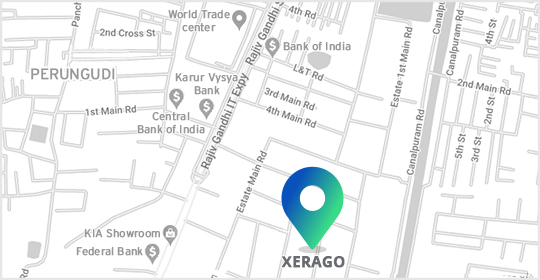
Xerago Towers, Plot 80 & 93,
Industrial Estate, Perungudi,
Chennai, Tamil Nadu - 600096




(Coming Soon)
2570 N. First Street, Suite 200,
San Jose, CA 95131
Office No. 26, 10/F, Beverley Commercial Centre,
87-105 Chatham Road South,
Tsim Sha Tsui, Kowloon,
Hong Kong
The Octagon Building, #11-07, 105, Cecil Street,
Singapore 069 534
#901, 9th Floor , Ellora Fiesta.
Plot No - 8 , Sector - 11 , Sanpada.
Opp. Juinagar Rly Station.
Navi Mumbai – 400 705
Xerago Towers, Plot 80 & 93,
Industrial Estate, Perungudi,
Chennai, Tamil Nadu - 600096
(Coming Soon)