




Embracing Modern Digital Touchpoints for Next Level Customer Interactions
Published: October 20, 2023 | Updated: July 08, 2024
The dynamics of customer interactions have undergone a profound transformation in recent years. It is underscored by the advent of modern digital touchpoints, which have become essential tools for building and nurturing relationships with customers, understanding their needs, and delivering personalized solutions.
Gone are the days when customer interactions were limited to in-person interactions or telephone calls. In this fast-paced world, businesses have no choice but to embrace modern digital touchpoints to meet their customers where they are and deliver exceptional experiences.
In this article, we explore the world of modern digital touchpoints and how they can elevate your customer interactions to the next level.
Definition of Digital Touchpoints
Digital Touchpoints are specific points of interaction between a business or organization and its customers that occur in the digital realm. These touchpoints represent the various online channels and platforms through which customers engage with a brand, its products, or its services.
Understanding digital touchpoints is essential for businesses to effectively engage with their customers in the digital age and provide them with seamless and personalized experiences.
Types of Modern Digital Touchpoints
The array of digital touchpoints available in this fast-paced digital world is as diverse as the preferences of the individuals who use them. Each type of touchpoint offers a unique way to interact and build relationships with customers. In this section, we will explore some of these touchpoints, shedding light on how they contribute to shaping the modern customer experience.
- Social Messaging Apps: Beyond traditional social media, messaging apps like WhatsApp, Facebook Messenger, and WeChat enable businesses to have one-on-one conversations, offer customer support, and send personalized messages and updates.
- Voice Assistants and Smart Speakers: Devices like Amazon Echo and Google Home provide voice-activated touchpoints where customers can make inquiries, place orders, and interact with businesses using natural language.
- Interactive Chat Widgets: Live chat widgets on websites allow businesses to engage with website visitors in real-time, answering questions, providing support, and guiding them through the online experience.
- Augmented Reality (AR) and Virtual Reality (VR): AR and VR technologies enable immersive customer experiences, such as virtual try-ons for fashion or home decor, enhancing engagement and product understanding.
- IoT Devices: Internet of Things (IoT) devices, like smart appliances and wearables, can connect with businesses to provide usage data, send alerts, and even facilitate automatic reordering of products.
- Interactive Email Marketing: Modern email marketing tools allow for interactive elements within emails, such as clickable carousels, embedded videos, and personalized product recommendations.
- Social Commerce: Integrating e-commerce directly into social media platforms like Instagram and Pinterest, enabling customers to make purchases without leaving the app.
- User-Generated Content Platforms: Encouraging customers to create and share content related to your products or services on platforms like Instagram, TikTok, or YouTube.
- In-App Messaging: For businesses with mobile apps, in-app messaging and push notifications can keep users engaged and informed about updates, promotions, or personalized recommendations.
- Digital Signage: Interactive digital displays and kiosks in physical locations that provide information, promotions, and engagement opportunities for customers.
These modern digital touchpoints reflect the diverse ways businesses can connect with customers in today's digital landscape, providing more opportunities for engagement and enhancing the customer interaction and experience.
“Embracing modern digital touchpoints is not just a strategy; it's a necessity for businesses seeking to stay relevant and responsive to their customers' evolving needs."
Strategies for Implementing Modern Digital Touchpoints
For any business to optimise customer interactions, effective implementation of these modern digital touchpoints is critical. They must use strategic approaches to leverage the full potential of these touchpoints.
Here, we outline key strategies for implementing modern digital touchpoints:
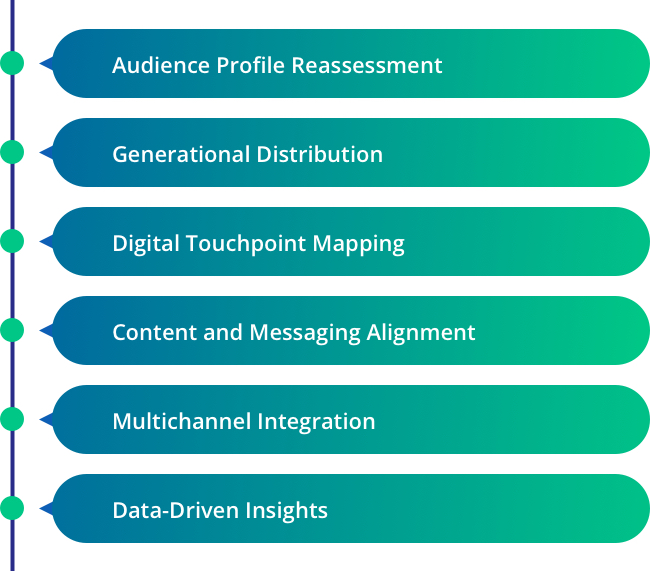
Audience Profile Reassessment:
Segmentation: Re-evaluate and refine your audience segmentation based on demographics, behaviours, and preferences.
Generational Analysis: Include a thorough generational analysis to understand the distribution of baby boomers, Gen X, millennials, Gen Z, Gen Alpha, and other relevant segments.
Generational Distribution:
Data Collection: Gather data to determine the proportion of each generation within your customer base.
Demographic Insights: Seek insights into the unique characteristics, values, and preferences of each generation to tailor your strategies accordingly.
Digital Touchpoint Mapping:
Identify Digital Channels: Determine which digital touchpoints are most relevant to each generational segment. For example, older generations may prefer email and Facebook, while younger ones may favor Instagram and TikTok.
Channel Preferences: Understand the preferred communication channels and devices for each generation.
Content and Messaging Alignment:
Tailored Content: Create content that resonates with each generation. Consider differences in tone, imagery, and messaging styles.
Personalization: Implement personalization strategies to deliver content and offers that align with the preferences and values of each generation.
Multichannel Integration:
Cross-Channel Coordination: Ensure a seamless transition for customers who move between different digital touchpoints. Maintain consistency in messaging and branding.
Omnichannel Experience: Strive to provide an omnichannel experience that caters to the diverse preferences of various generations.
Data-Driven Insights:
Analytics: Continuously monitor and analyze customer interactions across different touchpoints and generations.
Iterative Approach: Use data insights to refine your strategies and adapt to changing generational behaviors and preferences.
Implementing these strategies ensures that modern digital touchpoints are not only effectively deployed but also contribute significantly to enhancing customer interactions and overall satisfaction.
Benefits of Embracing Modern Digital Touchpoints
Modern digital touchpoints offer a multitude of advantages that significantly enhance customer interactions and overall business performance.

Enhanced Customer Engagement
Modern digital touchpoints provide an unprecedented level of customer engagement by offering real-time, interactive platforms. This translates to more meaningful interactions and improved satisfaction. For instance:
Instant Communication: Customers can connect with businesses instantly through live chat, social media, and messaging apps.
Feedback and Surveys: The ease of gathering customer feedback and conducting surveys facilitates businesses in understanding their audience better.
Community Building: Social media platforms and online forums enable the creation of vibrant online communities where customers can connect, share experiences, and become brand advocates.
Improved Personalization
Digital touchpoints allow businesses to deliver highly personalized experiences, making customers feel understood and valued, which in turn will enhance customer interactions. This personalization is achieved through:
Customized Content: Tailoring content, product recommendations, and marketing messages to align with individual customer preferences.
Personalized Offers: Offering discounts, promotions, and incentives based on customer behavior, purchase history, and browsing patterns.
Enhanced Customer Loyalty: Building stronger customer loyalty by demonstrating a genuine understanding of each customer's unique needs and preferences.
Increased Accessibility and Convenience
Digital touchpoints transcend geographical boundaries and time constraints, providing customers with unprecedented accessibility and convenience. The advantages include:
24/7 Availability: Customers can access information, make inquiries, and complete transactions at any time, day or night.
Global Reach: Businesses can extend their reach to a global audience, breaking free from the limitations of local markets.
Self-Service Options: Customers can find answers and solutions independently, reducing their reliance on direct customer support and enhancing their overall convenience.
These are the advantages that can contribute to scaling customer interactions for any business.
Summary
In a world characterized by rapid digitalization, modern digital touchpoints have emerged as the linchpins of success. These dynamic channels revolutionize the way businesses engage with their audience, fostering deeper connections, personalized experiences, and unparalleled convenience.
As we recap their significance, it becomes evident that modern digital touchpoints are not merely options but imperatives in the digital age, enabling enhanced customer engagement and data-driven decision-making.
To stay ahead in this dynamic era, businesses must not only embrace these touchpoints but also remain adaptable to the changing tides of customer preferences and technological innovations. The future of customer interactions holds tremendous promise, fueled by emerging technologies like AI, automation, and augmented reality. By prioritizing customer-centricity, leveraging data insights, and embracing innovation, businesses can position themselves at the forefront of this digital transformation, creating lasting relationships and thriving in the evolving landscape of customer interactions.


Global Office Locations

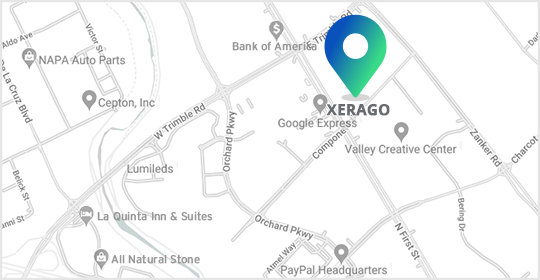
2570 N. First Street, Suite 200,
San Jose, CA 95131
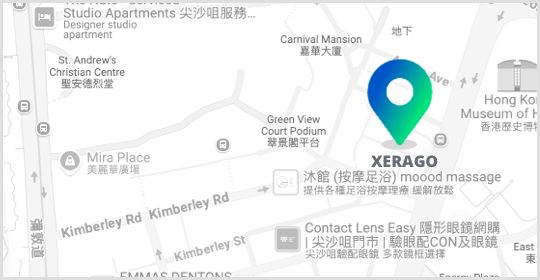
Office No. 26, 10/F, Beverley Commercial Centre,
87-105 Chatham Road South, Tsim Sha Tsui, Kowloon,
Hong Kong
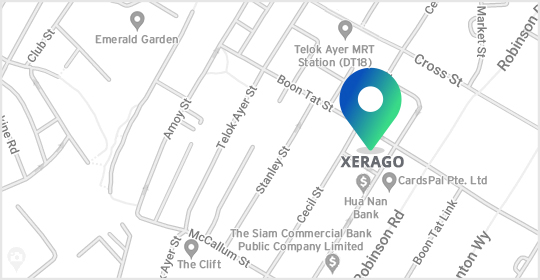
The Octagon Building, #11-07, 105, Cecil Street,
Singapore 069 534
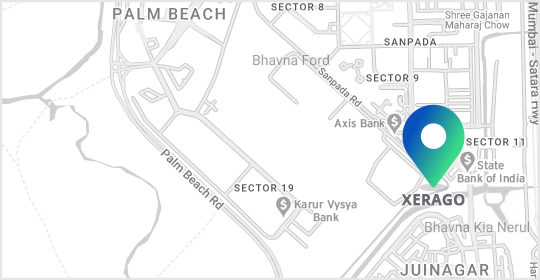
#901, 9th Floor , Ellora Fiesta.
Plot No - 8 , Sector - 11 , Sanpada.
Opp. Juinagar Rly Station.
Navi Mumbai – 400 705
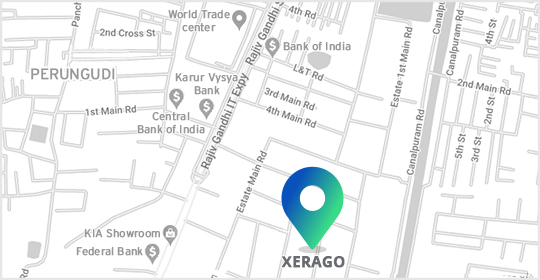
Xerago Towers, Plot 80 & 93,
Industrial Estate, Perungudi,
Chennai, Tamil Nadu - 600096

(Coming Soon)
2570 N. First Street, Suite 200,
San Jose, CA 95131
Office No. 26, 10/F, Beverley Commercial Centre,
87-105 Chatham Road South,
Tsim Sha Tsui, Kowloon,
Hong Kong
The Octagon Building, #11-07, 105, Cecil Street,
Singapore 069 534
#901, 9th Floor , Ellora Fiesta.
Plot No - 8 , Sector - 11 , Sanpada.
Opp. Juinagar Rly Station.
Navi Mumbai – 400 705
Xerago Towers, Plot 80 & 93,
Industrial Estate, Perungudi,
Chennai, Tamil Nadu - 600096
(Coming Soon)