




Customer Experience and 360-Degree Views: Trends Shaping the Future
Published: November 28, 2024 | Updated: April 28, 2025
“In the future, every customer interaction will be a personalized experience powered by data and AI.”
Imagine walking into a store where the staff already knows exactly what you want. No endless scrolling, just a seamless experience that feels tailor-made for you. That’s the power of personalized customer experiences. In fact, 80% of consumers are more likely to shop with brands offering them.
Enter the 360-degree customer view;your brand’s crystal ball that reveals all your customers' preferences. With customer journey analytics, you’re tracking every move and delivering real-time personalization, meeting their needs at the perfect moment.
Ready to level up? AI-driven personalization predicts what they want before they even ask, making every interaction feel like VIP treatment. Plus, omnichannel experience ensures consistency across platforms—whether they’re on Instagram, email, or your site.
With customer lifecycle management, you're building relationships, not just making sales. By using customer data insights and personalized recommendations, you're turning first-time buyers into loyal fans. It's all about creating a ride your customers never want to get off.
This blog explores how Customer Journey Analytics and 360-Degree Views are transforming customer experience. We’ll highlight key trends like AI, sentiment analysis, and IoT that enable personalized, seamless journeys.
The Significance of Customer Journey Analytics and 360-Degree Views
“91% of consumers are more likely to shop with brands that recognize, remember, and provide relevant offers.”
Understanding the importance of Customer Journey Analytics and 360-Degree Views is crucial to appreciate the impending trends. These concepts are the pillars of modern customer-centric strategies.
A strategic approach to customer journey analysis helps businesses connect data across channels and unlock richer insights that elevate customer experience.
Let’s delve into how these two crucial concepts come together to create a more comprehensive understanding of the customer:
Data Synergy:
The core of the intersection lies in data synergy. Customer journey analytics captures the intricate web of customer interactions across multiple touchpoints, collecting data in real-time. This granular data, when integrated into the 360-degree customer view, forms the foundation of a holistic customer profile. The combination of historical data, past behaviors, and current interactions provides a multifaceted view that empowers businesses to offer personalized experiences.
Personalization and Engagement:
Customer journey analytics serves as the real-time engine, offering insights into how customers are currently interacting with the business. These insights, when married to the comprehensive customer view, become the fuel for personalization.
By understanding the specific behaviors and preferences of individual customers throughout their journey, organizations can tailor their marketing messages, product recommendations, and support interactions. This level of personalization transcends mere customization—it becomes true engagement.
Predictive Abilities:
When customer journey analytics and the 360-degree view merge, businesses gain predictive capabilities. By analyzing historical customer journey data and integrating it into the holistic customer profile, organizations can anticipate future customer behaviors. This foresight enables proactive engagement and issue resolution, elevating the overall customer experience.
Seamless Customer Support:
When a customer contacts support, the 360-degree customer view equips the support team with a comprehensive understanding of the customer's history. This accelerates issue resolution, as agents can access past interactions and preferences, providing more efficient and effective solutions.
Omnichannel Cohesion:
Customers engage with businesses through a variety of channels, both online and offline. Customer journey analytics helps organizations understand how customers move between these channels and touchpoints. The 360-degree customer view ensures that these interactions are seamless and consistent, offering a unified experience across all customer-facing channels and maximizes digital impact.
Continuous Improvement:
Customer journey analytics identifies areas that require improvement in the customer journey. The 360-degree customer view supports businesses in tracking the impact of these improvements over time. This feedback loop facilitates continuous refinement and enhancement of the customer experience.
In essence, customer journey analytics and the 360-degree customer view are complementary and mutually reinforcing.
The Role of Customer Journey Analytics in Elevating Customer Experience

Customer journey analytics (CJA) is the game-changer in today’s customer experience trends, helping brands create dynamic, personalized experiences at every stage of the customer journey. It’s not just about tracking data—it’s about using that data to drive meaningful interactions that boost loyalty and satisfaction.
Here’s how CJA is reshaping the customer journey experience:
Customer Journey Analytics (CJA) is the linchpin in shaping customer experience trends, enabling brands to understand and anticipate customer needs in real-time. By combining insights from customer behaviors, preferences, and interactions across channels, businesses can unlock transformative opportunities to create dynamic, customer-centric innovations.
With Customer Journey Analytics (CJA), you can:
A 360-Degree View of the Customer
A complete understanding of the customer is a critical foundation for delivering exceptional experiences. By integrating data from multiple touchpoints, Customer Journey Analytics (CJA) provides businesses with a unified view of customer behaviors, preferences, and interactions.
This comprehensive profile allows organizations to align with modern customer experience trends and design strategies tailored to individual needs.
Tracking Where Customers Engage
Understanding where customers interact with a brand reveals the most effective channels for driving engagement. CJA identifies key platforms and touchpoints—such as websites, social media, mobile apps, or physical stores—helping businesses optimise their presence across these mediums.
Identifying What Customers Consume
Insights into the content, products, or services customers value most help businesses stay relevant. By tracking consumption patterns, CJA allows companies to refine offerings and create personalised recommendations, reflecting the latest trends in customer experience.
Uncovering Pain Points in the Journey
Hidden obstacles in the customer journey can erode trust and loyalty. CJA helps businesses identify and resolve these friction points, improving the overall customer purchase experience and fostering long-term satisfaction.
Anticipating Future Needs
Predictive analytics within CJA enables businesses to anticipate customer expectations, offering proactive solutions and seamless experiences. By leveraging historical data, brands can predict customer behavior and tailor journeys that align with individual needs before they’re even expressed.
To unlock these predictive capabilities and orchestrate journeys across channels, many enterprises rely on specialized Adobe Analytics implementation services that help integrate data, define KPIs, and build scalable CJA frameworks aligned with business goals.
Future Trends Set to Redefine Customer Experience
As we peer into the future of Customer Journey Analytics and 360-Degree Views, we can identify several trends that will play pivotal roles in transforming the landscape of customer experience.
1. The Transformative Power of Generative AI in Customer Experience
In the ever-evolving landscape of customer experience, the role of generative AI stands as a pivotal trend that promises to reshape how businesses acquire and utilize a 360-degree view of customer journeys. Generative AI, a subset of artificial intelligence, is characterized by its ability to generate content, predictions, and recommendations autonomously. This technology is poised to make the process of obtaining a holistic view of customer journeys more insightful and efficient.
Here's how generative AI intersects with and enhances the creation of 360-degree customer profiles:
Personalized Content Generation: Enables real-time, personalized content generation, enhancing the customer journey with tailored recommendations and content.
Real-Time Insights: Adapts and refines content in real-time to create a dynamic and individualized customer experience.
Streamlining Customer Engagement: Streamlines engagement across channels, providing consistent and effective customer experiences.
Predictive Analytics: Provides predictive capabilities that anticipate customer behavior and optimize interactions for better customer engagement.
2. Embedded AI Shaping Customer Experience Management
Embedded artificial intelligence (AI) is one of the groundbreaking trends in modern customer experience management. It represents the seamless integration of AI into various aspects of a business, and when applied to the creation of a 360-degree customer journey, it brings a new level of sophistication and efficiency to the process. Here's how embedded AI is playing a pivotal role in achieving a holistic understanding of customer journeys:
Contextual Engagement: Delivers contextually relevant content and experiences at each point of the customer journey.
Proactive Issue Resolution: Aids in proactive issue resolution by leveraging historical data within the 360-degree view.
Efficiency and Scalability: Streamlines the process of data analysis within the 360-degree view by quickly sifting through large volumes of data, making it easier for businesses to handle the complexities of an ever-growing customer base while maintaining the quality of the customer journey.
Integration Across Channels: Ensures consistent, context-aware customer experiences across various channels.
3. Sentiment and Emotional Analytics
Emotional analytics is a relatively new, yet profoundly impactful, trend in the realm of customer experience. It involves the analysis of customer emotions, sentiments, and moods throughout their journey with a brand. When integrated into the creation of a 360-degree customer journey, emotional analytics adds a powerful layer of understanding, allowing businesses to better resonate with their customers. Here's how emotional analytics and the 360-degree view work hand-in-hand to enhance the overall customer journey:
Deeper Customer Understanding: Offers insights into how customers feel during their interactions, enriching the 360-degree view and enabling a deeper understanding of individual customers.
Sentiment-Driven Adaptation: Allows real-time adaptation of the customer experience based on customer sentiment, tailoring interactions to address emotional cues.
Emotional Engagement: Drives intimate engagement at every touchpoint, going beyond transactional interactions to foster lasting customer loyalty.
Issue Resolution with Empathy: Equips support teams to address issues with empathy, improving the overall support experience.
Customer Feedback and Improvement: Provides feedback on customer emotions, aiding in continuous improvement of the customer journey based on sentiment analysis.
Creating Positive Memories: Allows businesses to create positive emotional memories that contribute to long-term customer satisfaction and loyalty.
4. Conversational Analytics
Conversational analytics is a transformative trend in the world of customer experience management. It focuses on the analysis of customer interactions across various communication channels, such as chatbots, live chats, phone calls, and social media messaging. When integrated into the creation of a 360-degree customer journey, conversational analytics offers a dynamic layer of understanding and engagement. It transforms the customer journey into a rich narrative of multichannel interactions, where each conversation is an opportunity to engage, learn, and create lasting connections with customers. Here's how conversational analytics enhances and enriches the overall customer journey:
Comprehensive Customer Profiles: Contributes to the creation of comprehensive customer profiles, incorporating data from various communication channels for a deeper understanding of customer engagement.
Personalized Responses: Tailors responses to individual customer needs and behaviors, prioritizing specific communication channels based on past preferences.
Issue Resolution: Enhances issue resolution by identifying common problems and frequently asked questions, allowing for proactive solutions and a smoother customer journey.
Empathetic Engagement: Understanding the tone and sentiment of customer interactions through conversational analytics enables more effective, empathetic responses that address emotional states and offer relevant content.
Facilitates Feedback: Offers valuable feedback for ongoing improvements in customer interactions, helping businesses identify areas where enhancements are needed.
5. IoT Integration
IoT integration is reshaping the 360-degree customer journey by bridging the gap between digital and physical interactions. IoT involves connecting various devices and sensors to the internet, allowing them to collect and share data. As businesses leverage IoT technology, the 360-degree customer view becomes a dynamic, multifaceted tool that deepens customer engagement, improves product and service offerings, and fosters lasting customer relationships.
Real-Time Data from Physical Environments: Provides real-time data from physical spaces, enriching the understanding of customer behaviors in digital and physical realms within the 360-degree customer view.
Contextual Recommendations: Enables context-aware personalization, triggered by real-world interactions, enhancing the depth of the customer journey.
Enhanced Product Understanding: Offers insights into how customers use products, helping businesses improve product performance and, consequently, the customer journey.
Location-Based Services: Enables businesses to provide location-based services, enhancing the customer journey's convenience and relevance.
Product Innovation: Drives product and service innovation, aligning offerings more closely with customer needs and enhancing the overall customer journey.
These customer experience trends, powered by customer journey analytics and 360-degree views, are shaping the future of customer engagement, helping businesses deliver more personalized, context-aware, and seamless experiences across all touchpoints.
Now that we’ve explored the trends shaping the future of customer experience, let’s look at how leading brands are putting them into action today.
From AI-powered support to predictive engagement and seamless journey orchestration, here’s how customer experience is evolving, one smart touchpoint at a time.
From Theory to Practice: How Leading Brands Are Bringing CX Trends to Life
You’ve seen how technologies like AI, sentiment analysis, and journey orchestration are reshaping customer experience strategy.
But how are they actually being used today?
In this section, we spotlight 8 brands turning those trends into results, using real-time data, personalization, and smart automation to build loyalty at every touchpoint.
1. AI-Powered Voice of the Customer
Applies: Generative AI + Sentiment Analytics
From feedback to real-time action
Delta is using AI not just to react—but to anticipate. For example, its Concierge service prompts travelers with messages like:
“Would you like to scan and verify your passport now?”
This kind of proactive interaction is powered by AI analyzing past behavior, sentiment, and context. Behind the scenes, Delta monitors call logs and social posts to detect issues—like delays on specific routes—and acts before complaints escalate.
Delta’s Concierge uses AI to guide travelers before they even ask.
This is what VoC looks like in 2025: predictive, responsive, and always-on.

2. Digital Avatars: Redefining Self-Service With a Human Touch
Applies: Generative AI + Conversational Analytics
Self-service that feels human
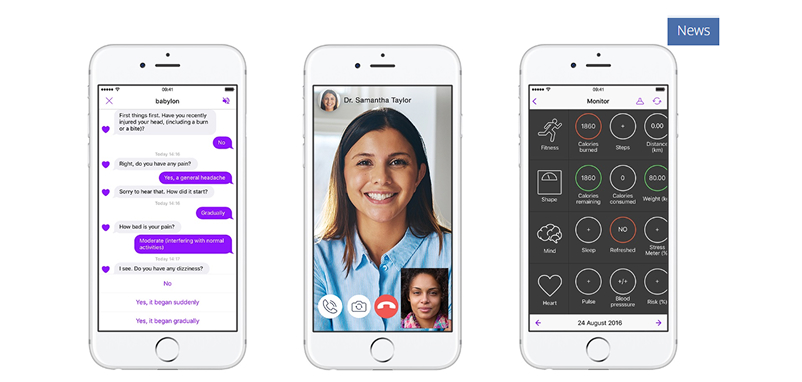
Babylon Health is showing what next-gen self-service really looks like. Their AI-powered avatar chats with users in real time, checking symptoms and referencing medical history to deliver accurate, empathetic responses—without a human stepping in.
From chatbot to video consult, Babylon blends AI and care in one seamless flow.
It’s automation with a bedside manner—smart, responsive, and built to scale empathy.
3. Predictive Outreach: Engaging Before the Need Arises
Applies: Predictive Analytics + 360-Degree View
Support before you even ask for it
The best brands don't just react—they anticipate. With predictive AI, they’re turning subtle customer signals into meaningful actions.
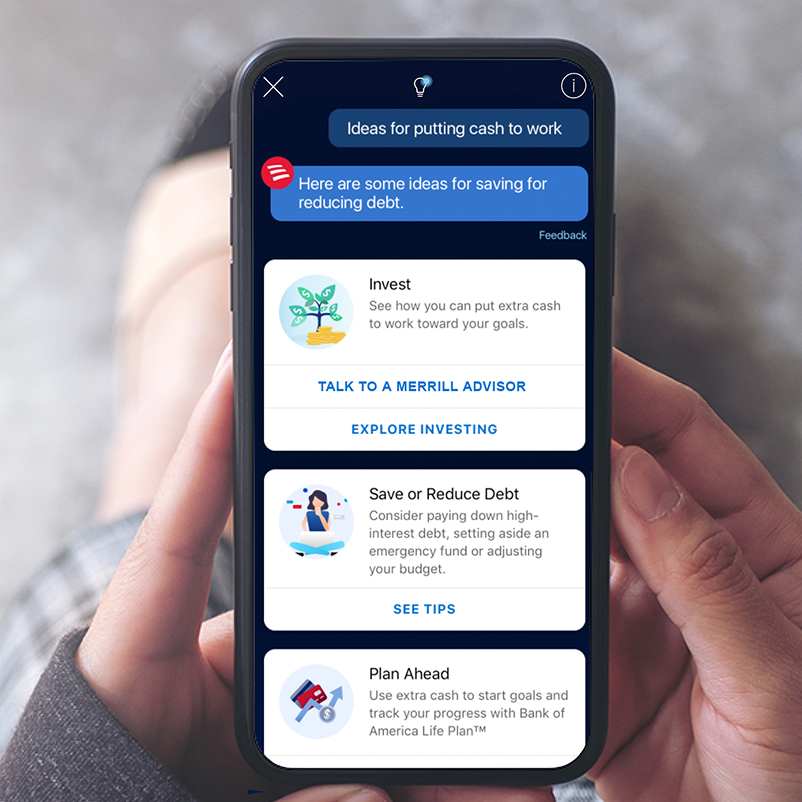
Take Bank of America, for example. Its app proactively suggests personalized money tips like “save for emergencies” or “talk to a Merrill advisor,” depending on user behavior and account trends. These nudges feel relevant, not random—and they help customers act with confidence.
Personalized advice served up before you even think to ask.
That’s how predictive outreach builds trust—quietly, helpfully, and at just the right time.
4. Social Media as a Real-Time Experience Channel
Applies: Conversational Analytics + Emotional Intelligence
Fast, public, and always on
Social isn’t just a place to talk about products—it’s where customer experience happens in full view. Brands that get it are using AI and live teams to respond fast, prioritize sentiment, and make every reply count.
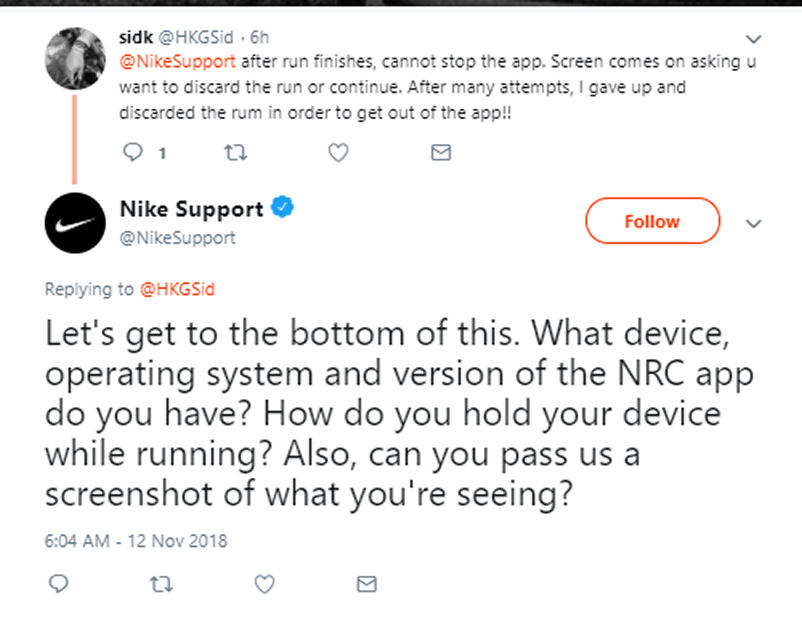
Take Nike, for example. When a customer tweeted about an app issue, Nike Support jumped in with thoughtful questions and a request for more detail—right there in the thread.
Public complaint, private-level service—delivered in minutes.
This isn’t just engagement. It’s operational responsiveness where customers expect it most.
5. Video and Screen Sharing: Visual Engagement Comes of Age
Applies: Embedded AI + Omnichannel CX
Turning instructions into collaboration
Sometimes, words aren’t enough. That’s where screen sharing and video support step in—making complex issues easier to solve by showing, not just telling.
Take Apple, for example. Their support team can guide users step-by-step through setup or troubleshooting by sharing screens securely. It’s like having a genius beside you—without stepping into a store.
Screen sharing with Apple turns support into a real-time walkthrough.
It’s efficient, human, and increasingly expected in high-stakes service interactions.

6. Agent Assist Tools: Supporting the People Behind the Screens
Applies: Embedded AI + Customer Journey Analytics
Helping humans stay human
AI isn’t taking over customer service—it’s helping reps focus on what matters: empathy and connection. Agent assist tools surface product info, past orders, and relevant tips in real time.
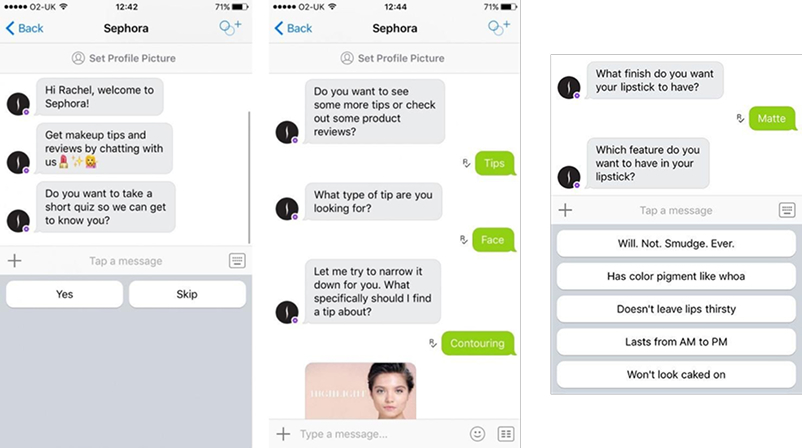
At Sephora, even their customer-facing bot shows how smart automation can personalize the experience. It narrows down preferences, asks helpful follow-ups, and serves up recommendations instantly—all of which could be mirrored behind the scenes for live agents too.
Smart prompts, relevant results—whether it's a bot or a live agent, assist tools do the heavy lifting.
It’s how reps get to spend less time digging and more time delighting.
7. Agentics: Smarter Virtual Agents With Real Autonomy
Applies: Conversational AI + Embedded AI
Smarter virtual agents with real autonomy
We’ve moved beyond simple chatbots. Today’s Agentics—virtual agents powered by decision engines—can resolve routine requests with minimal input and know exactly when to escalate.
Check out Lloyds Banking Group. Their assistant walks users through reordering a damaged card, confirms functionality, and provides the next steps—all without human help.
Fast, focused, and helpful—just what customers expect from AI in 2025.
It’s not just automation. It’s AI that understands context and delivers seamless handovers when needed.

8. Journey Orchestration: Aligning Touchpoints in Real Time
Applies: Journey Orchestration + IoT Data Integration
One customer, many channels—one smooth journey
Customers don’t think in channels. They browse on mobile, research on desktop, and complete purchases through voice. Journey orchestration ensures that every step stays in sync.
Take Amazon. When a customer adds an item to their cart but doesn’t check out, they later receive a friendly reminder—often with a tailored offer—across email or the next platform they visit.
Amazon keeps the journey going—even after the cart is closed.
It’s more than automation. It’s intelligent coordination across every moment of the customer journey.

Shaping the Future of Customer Experience
The future of customer experience is not just about meeting expectations—it’s about exceeding them at every touchpoint. As brands embrace customer journey analytics, 360-degree views, and cutting-edge technologies like AI and IoT, they unlock the power to deliver personalized, seamless, and emotionally intelligent experiences.
In a world where 80% of consumers crave tailored experiences and 75% expect consistency across channels, the businesses that rise to the occasion will not only earn loyalty—they’ll create lasting, unforgettable journeys. The question isn’t whether your brand is ready for the future—it’s whether you’re prepared to lead it.
“True personalization begins with understanding your customer’s emotional journey, not just their transactional one.”



Global Office Locations

2570 N. First Street, Suite 200,
San Jose, CA 95131

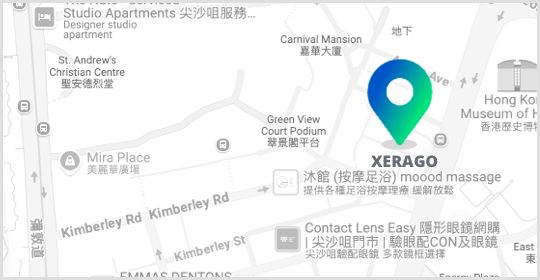
Office No. 26, 10/F, Beverley Commercial Centre,
87-105 Chatham Road South, Tsim Sha Tsui, Kowloon,
Hong Kong
The Octagon Building, #11-07, 105, Cecil Street,
Singapore 069 534

#901, 9th Floor , Ellora Fiesta.
Plot No - 8 , Sector - 11 , Sanpada.
Opp. Juinagar Rly Station.
Navi Mumbai – 400 705

Xerago Towers, Plot 80 & 93,
Industrial Estate, Perungudi,
Chennai, Tamil Nadu - 600096



(Coming Soon)
2570 N. First Street, Suite 200,
San Jose, CA 95131
Office No. 26, 10/F, Beverley Commercial Centre,
87-105 Chatham Road South,
Tsim Sha Tsui, Kowloon,
Hong Kong
The Octagon Building, #11-07, 105, Cecil Street,
Singapore 069 534
#901, 9th Floor , Ellora Fiesta.
Plot No - 8 , Sector - 11 , Sanpada.
Opp. Juinagar Rly Station.
Navi Mumbai – 400 705
Xerago Towers, Plot 80 & 93,
Industrial Estate, Perungudi,
Chennai, Tamil Nadu - 600096
(Coming Soon)