


Revamping Legacy Systems: Modernization Strategies for Outdated Web and Mobile Apps
Published: October 20, 2023 | Updated: September 30, 2024
At some point, even the most advanced websites and mobile apps can become irrelevant and obsolete. The design can become antiquated, or the tech stack and infrastructure powering your applications can become outdated. So, does it mean you should bury them together with floppies and CDs?
No way!
Give your design a makeover, migrate the tech stack to a new platform, and modernize your online presence. Every facet of your website and mobile app can undergo an overhaul to keep your digital presence revived.
In today's digital-driven world, maintaining a strong online presence is vital for businesses of all sizes. Your online presence serves as the first point of contact with potential customers and reflects your brand's identity and capabilities. Emerging market trends, advancing technologies, and evolving customer expectations mean you need to constantly keep up with all the changes.
However, for many businesses, outdated web and mobile applications, often referred to as legacy systems, can be a significant hindrance to a dynamic online presence. In this article, we'll explore how revamping legacy systems can rejuvenate your online presence and provide strategies for achieving this essential transformation.
The Legacy System Conundrum
Legacy systems, whether they are outdated web platforms or aging mobile applications, present several challenges to businesses:
1. Decreased Performance
Outdated systems often suffer from poor performance, leading to slow load times, unresponsive interfaces, and an overall subpar user experience. This can result in higher bounce rates and reduced user engagement.
2. Security Vulnerabilities
Legacy systems are more susceptible to security breaches due to outdated security protocols and a lack of regular updates. The consequences of a data breach can be catastrophic for a business's reputation and bottom line.
3. Incompatibility
As technology evolves, legacy systems may struggle to integrate with modern tools and platforms. This can hinder collaboration, data sharing, and the adoption of new technologies within an organization.
4. High Maintenance Costs
Maintaining and patching legacy systems can be costly and time-consuming. These systems often require specialized expertise, and finding qualified personnel can be a challenge.
5. Limited Scalability
Legacy systems may not be designed to accommodate the growth of an organization. As a business expands, its technology should be flexible enough to adapt to changing demands.
6. Competitive Disadvantage
In a world where digital experiences are paramount, outdated web and mobile apps can put businesses at a competitive disadvantage. Customers expect modern, intuitive, and reliable applications.
Revamping Legacy Systems for a Rejuvenated Online Presence
Revamping legacy systems is not merely about technology upgrades; it's a strategic initiative that requires a holistic approach. Here are the steps to rejuvenate your online presence through legacy system modernization:
1. Assessment and Planning
- Identify Pain Points: Conduct a thorough assessment of your existing legacy systems. Identify performance bottlenecks, security vulnerabilities, and user experience issues.
- Define Objectives: Clearly outline your goals for the revamp. What do you want to achieve with modernization? Improved user engagement, enhanced security, or increased conversion rates?
2. Choose the Right Modernization Strategy
Select a modernization strategy that aligns with your goals and constraints:
- Full System Replacement: When your legacy systems are too outdated or cumbersome, a complete replacement might be necessary. This allows you to start fresh with modern technologies and design principles.
- Incremental Modernization: If a full replacement is impractical, consider an incremental approach. This involves updating specific components of your legacy system while preserving its core functionality. It reduces risks and disruption.
- Replatforming: Migrating to a more modern infrastructure, such as a cloud-based environment, can improve scalability, performance, and security.
- Refactoring and Code Optimization: Refactoring involves rewriting or reengineering parts of the codebase to enhance performance and maintainability. This approach is suitable when the core functionality remains valuable.
- Redesigning: Make significant enhancements to the UI, UX, and main functionalities of your digital applications to improve your retention rates and boost your online presence. By refreshing your app’s UI/UX design, you can update and improve the system’s functionality with current business goals and customers' needs in mind. New application interfaces will promote usability, build a strong brand position, and elevate customer satisfaction and engagement.
- Hybrid Solutions: In some cases, a combination of the above strategies might be the most pragmatic approach. Tailor your approach to the unique needs of your legacy systems.
3. User-Centric Design
Modernization isn't just about upgrading the underlying technology; it's also about creating a better user experience:
- Responsive Design: Ensure that your web and mobile applications are responsive, adapting seamlessly to various devices and screen sizes.
- Intuitive Navigation: Simplify navigation and make it intuitive for users to find what they're looking for.
- User Feedback: Gather user feedback and incorporate it into the redesign process. Understand user pain points and preferences.
4. Security Enhancement
Security is a paramount concern in the digital age. Modernize your systems with robust security measures:
- Regular Updates: Keep all software components, including plugins and libraries, up-to-date to patch vulnerabilities.
- Data Encryption: Implement encryption protocols to protect user data during transmission and storage.
- Authentication and Authorization: Strengthen user authentication and authorization mechanisms to prevent unauthorized access.
5. Performance Optimization
Slow-loading websites and apps can lead to user frustration. Optimize performance using the following measures:
- Compress Images: Compress images and multimedia elements to reduce page load times.
- Caching: Implement caching strategies to store frequently accessed data and reduce server load.
- Content Delivery Network (CDN): Use CDNs to distribute content geographically, improving load times for users worldwide.
6. Content Refresh
Outdated content can detract from your online presence. Regularly update and refresh your website and app content to keep it relevant and engaging. It is also a best practice to stay in tune with search engine algorithm updates and optimize your content for improved online visibility.
7. Continuous Monitoring and Improvement
Modernization is not a one-time effort; it's an ongoing process:
- Analytics: Use analytics tools to monitor user behavior, track key performance indicators (KPIs), and identify areas for improvement.
- User Testing: Continuously test new features and improvements with real users to gather feedback and make data-driven decisions.
- Agile Development: Adopt an agile development approach that allows for flexibility and iterative improvements.
Final Thoughts
A dynamic online presence is essential for staying competitive and relevant in the digital age. Revamping legacy systems to rejuvenate your online presence is a strategic investment that pays dividends in customer engagement, brand perception, and business growth. By assessing your needs, choosing the right modernization strategy, prioritizing user experience, enhancing security and performance, and maintaining a commitment to continuous improvement, you can breathe new life into your online presence and position your brand for success in the ever-evolving digital landscape.



Global Office Locations

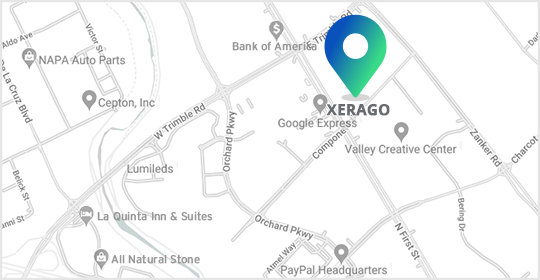
2570 N. First Street, Suite 200,
San Jose, CA 95131
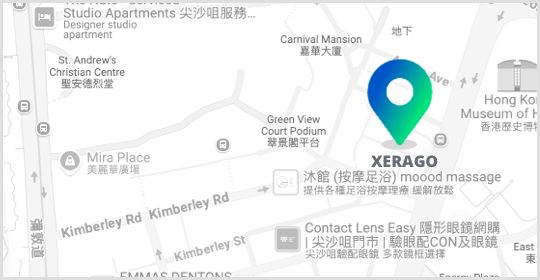
Office No. 26, 10/F, Beverley Commercial Centre,
87-105 Chatham Road South, Tsim Sha Tsui, Kowloon,
Hong Kong
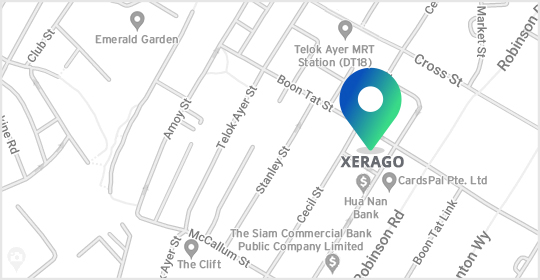
The Octagon Building, #11-07, 105, Cecil Street,
Singapore 069 534
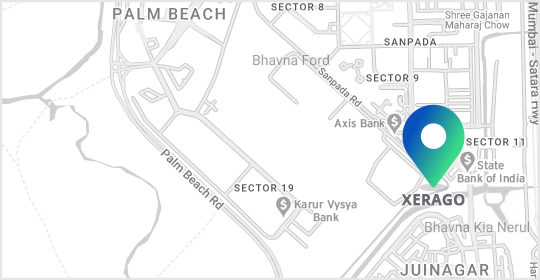
#901, 9th Floor , Ellora Fiesta.
Plot No - 8 , Sector - 11 , Sanpada.
Opp. Juinagar Rly Station.
Navi Mumbai – 400 705
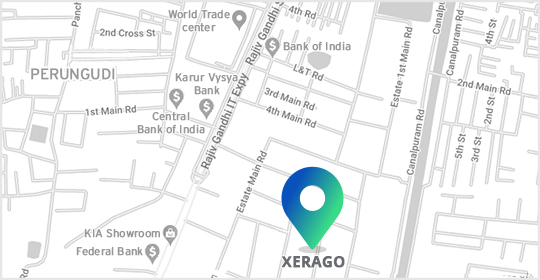
Xerago Towers, Plot 80 & 93,
Industrial Estate, Perungudi,
Chennai, Tamil Nadu - 600096

(Coming Soon)
2570 N. First Street, Suite 200,
San Jose, CA 95131
Office No. 26, 10/F, Beverley Commercial Centre,
87-105 Chatham Road South,
Tsim Sha Tsui, Kowloon,
Hong Kong
The Octagon Building, #11-07, 105, Cecil Street,
Singapore 069 534
#901, 9th Floor , Ellora Fiesta.
Plot No - 8 , Sector - 11 , Sanpada.
Opp. Juinagar Rly Station.
Navi Mumbai – 400 705
Xerago Towers, Plot 80 & 93,
Industrial Estate, Perungudi,
Chennai, Tamil Nadu - 600096
(Coming Soon)