




First-Party Personalization - Creating Tailored Customer Experiences
Published: November 08, 2023 | Updated: September 30, 2024
Introduction
In an era where consumers are inundated with a constant stream of information and choices, the ability to tailor your messages and offerings to individual preferences has become way beyond a necessity for businesses.
At the heart of personalization lies the goldmine of first-party data. Especially after the demise of third-party cookies, it became an invaluable source of data to rely on as it is unique and offers a deep understanding of customers' preferences for enterprise organizations.
While basic personalization strategies have their merits, micro-segmentation takes this idea to a whole new level. This granular approach allows for hyper-personalized marketing efforts that can significantly increase engagement, conversion rates, and customer loyalty.
The aim of this article is to deep dive into the potential of first-party data activation for personalized marketing with micro segmentation approach and equip enterprise companies with the knowledge required to implement the right strategies successfully so as to drive results and build tailored customer experiences.
Understanding First-Party Data
First-party data is pivotal for personalized marketing. Unlike other types of data, it is uniquely tailored to your business and your customers. And this is what makes it indispensable.
Personalization through First-party: What are the benefits?
- Unmatched Relevance: First-party data provides in-depth insights into your customers' actual behaviors and preferences, allows brands to craft highly relevant and personalized content and recommendations.
- Trust and Authenticity: Customers tend to trust businesses that use their data responsibly and for their benefit. When you leverage first-party data for personalization, it demonstrates that you understand their needs and value their loyalty.
- Granular Segmentation: First-party data empowers you to create micro-segments. These granular segments are based on actual interactions and behaviors, ensuring that your personalization is finely tuned to each customer's unique journey.
- Retargeting and Remarketing: With first-party data, you can effectively retarget and remarket to customers who have shown interest in your products or services. This is particularly valuable for e-commerce and other industries where conversion often takes time.
- Customer Journey Enhancement: Personalization based on first-party data allows you to improve the entire customer journey, from the first touchpoint to the post-purchase experience. You can anticipate their needs and address pain points effectively.
Ethical Collection and Use of First-Party Data
Collecting and using first-party data comes with a set of ethical responsibilities that businesses must uphold.
- Compliance with Data Regulations: Adhering to data protection laws, such as GDPR and CCPA, to ensure both legal compliance and ethical data practices.
- Transparency and Consent: Clearly explain data collection, use, and retention to users, and provide easy-to-understand opt-in and opt-out options. Always allow users to withdraw consent.
- Minimize Data Collection: Collect only the data necessary for the specified purposes to respect user privacy and prevent overreach.
- Privacy Policy: Maintain an accessible privacy policy that informs users about data handling and usage, promoting transparency.
- Data Security: Prioritize data security by implementing regular updates and patches, robust security measures, and protocols to prevent breaches and unauthorized access.
- Anonymization Techniques: Use data aggregation and pseudonymization to protect sensitive information and reduce traceability.
- Clear Data Retention Policy: Implement a clear data retention policy to delete data that is no longer needed for its original purpose, reducing the risk of misuse.
Ethical data collection and use are imperative to maintaining customer trust and complying with data protection laws. Businesses that respect user privacy, obtain informed consent, and safeguard data will not only adhere to legal requirements but also foster a positive brand image and long-term customer relationships.
Leveraging First-Party Data for Personalization
Micro-Segmentation: Tailoring Customer Experiences
“Micro-segmentation is a marketing strategy that divides a target audience into highly specific and smaller segments based on individual preferences, behaviors, or characteristics.”
Adopting a micro-segmentation approach for personalization is ideal, as it can enable businesses to provide individualized and highly targeted experiences to their customers. Here are the other reasons why it adds value to personalization:
- Precision Targeting: Micro segmentation allows businesses to precisely target smaller, specific customer groups. This ensures that marketing messages and offers are highly relevant to each segment, increasing the likelihood of engagement.
- Enhanced Relevance: By tailoring content and recommendations to the unique preferences and behaviors of each segment, businesses can provide highly relevant experiences, which are more likely to resonate with customers.
- Improved Conversions: Personalized content, directed at well-defined micro-segments, tends to convert at higher rates. When customers receive offers and messages that align with their interests, they are more likely to act.
- Customer Satisfaction: Addressing the individual needs and pain points of different customer groups through micro-segmentation leads to higher customer satisfaction. Customers appreciate brands that understand and cater to their specific requirements.
Data Points for Micro-Segmentation with first-party data
- Geo-Location: Segmenting customers based on their geographic location can help tailor marketing campaigns to local preferences and events.
- Past Purchases: Understanding customers' purchase history allows businesses to offer products or services that align with their interests and buying behaviors.
- Product Affinity: Identifying which products or product categories customers are interested in helps with cross-selling and upselling.
- Behavior and Interaction Data: Data related to how customers interact with a website, app, or digital touchpoints can reveal their online behavior and preferences.
- Demographics and Customer Preferences: Factors such as age, gender, job title, and customer preferences provide valuable insights for creating highly specific segments tailored to individual characteristics and interests.
Developing Micro-Segmentation Strategies
- Identifying Target Micro-Segments: Identifying the right micro-segments involves analyzing first-party data to find common characteristics, behaviors, and preferences. Once identified, you can create highly specific segments that cater to the unique attributes of each group.
- Creating Personalized Content for Each Micro-Segment: Personalized content is at the core of micro-segmentation. Once micro-segments are defined, you can craft content and offers that resonate with each group. This could include tailored email marketing campaigns, product recommendations, and web content that matches the preferences and behaviors of each segment.
Micro-segmentation with first-party data is a powerful strategy that allows businesses to deliver highly personalized experiences to their customers. By identifying the right data points and creating tailored content, companies can boost engagement, conversion rates, and customer satisfaction.
Activating First-Party Data for Personalization
To make effective use of first-party data in personalization, it is crucial to have a strategic approach for data collection, analysis, and integration with marketing technology.
- Data Integration: Integrate first-party data sources to create a unified customer profile. This facilitates a holistic view of customer behavior and preferences.
- Micro-Segmentation Strategy: Develop a clear micro-segmentation strategy, ensuring it is rooted in your specific business objectives. Clearly define what you aim to achieve through personalization. For example, your goals could include increasing sales, improving customer retention, enhancing user engagement, or launching new products to specific market niches. Then, identify the specific customer groups that can benefit from personalization.
- Customer Profiling: Use first-party data to create detailed customer profiles within each micro-segment. Thoroughly understand their behaviors, preferences, past purchases, and interactions.
- Personalized Content Creation: Tailor content, product recommendations, and marketing messages to match the preferences of each micro-segment. Craft engaging and relevant content.
- Multivariate Testing: Implement multivariate testing to validate the effectiveness of personalization strategies within micro-segments. Use metrics like conversion rates and engagement to refine your approach.
- Real-Time Personalization: Activate real-time personalization by connecting micro-segments to marketing platforms. Adjust content and offers in response to customer behavior as it happens.
- Define Key Performance Indicators (KPIs): Establish KPIs that align with your business goals, such as conversion rates, click-through rates, revenue increase, customer retention rates, and customer satisfaction scores. These KPIs provide measurable benchmarks for evaluating the success of your personalization efforts.
- Implement a Feedback Loop: Create mechanisms for collecting feedback from customers within each micro-segment. Gather their comments, reviews, and suggestions to fine-tune personalization strategies and ensure they align with customer expectations.
- Iterative Refinement: Continuously analyze data and insights from micro-segmentation efforts to make iterative improvements. Adapt to changing customer preferences and market dynamics to maintain effectiveness.
This comprehensive approach of activating first-party data for personalization with the micro-segmentation approach empowers enterprise companies to create effective personalized experiences that resonate with specific customer groups, ultimately driving engagement, satisfaction, and business success.
Conclusion
Without a doubt, in today's cutthroat market, being able to relate to customers personally and cater to their specific needs and preferences is a game-changer. It is widely acknowledged that personalization strategies have enormous potential to accomplish this.
On the other hand, in this privacy-focused world, first-party data has become the organization’s vital hope, and mining this gold is more than necessary for enterprise companies to build tailored customer experiences.
We trust that this article has been valuable in illuminating the path towards personalized marketing through first-party data activation, and the insights shared here will empower you to not only meet but exceed the evolving expectations of your audience.
As we move forward, the evolution of personalization will be driven by innovation and a deep commitment to delivering meaningful, respectful experiences to consumers. By embracing first-party data activation and continuously adapting to customer needs, businesses can shape a future where customers feel seen, valued, and engaged.



Global Office Locations

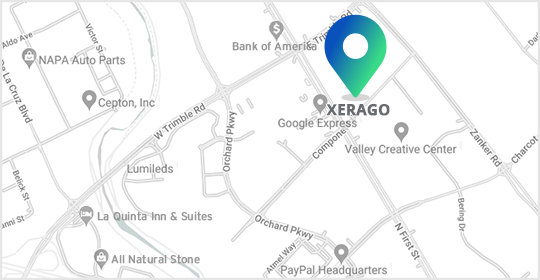
2570 N. First Street, Suite 200,
San Jose, CA 95131
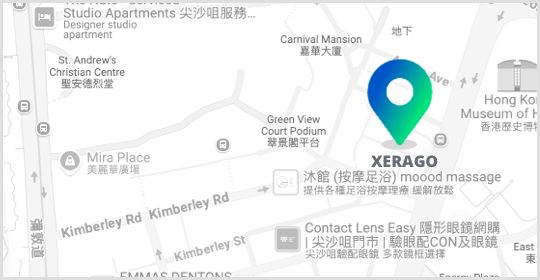
Office No. 26, 10/F, Beverley Commercial Centre,
87-105 Chatham Road South, Tsim Sha Tsui, Kowloon,
Hong Kong
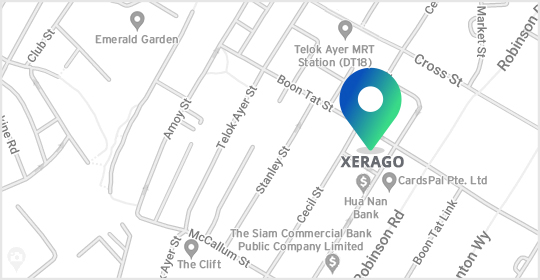
The Octagon Building, #11-07, 105, Cecil Street,
Singapore 069 534
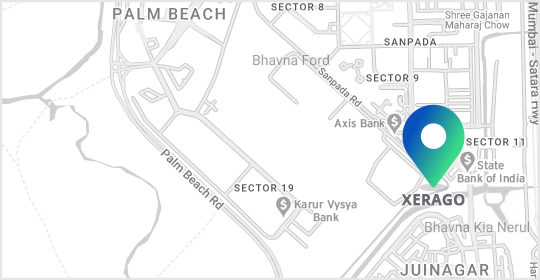
#901, 9th Floor , Ellora Fiesta.
Plot No - 8 , Sector - 11 , Sanpada.
Opp. Juinagar Rly Station.
Navi Mumbai – 400 705
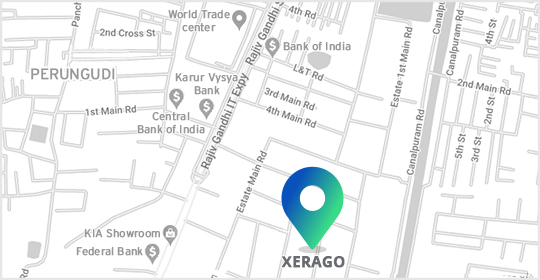
Xerago Towers, Plot 80 & 93,
Industrial Estate, Perungudi,
Chennai, Tamil Nadu - 600096



(Coming Soon)
2570 N. First Street, Suite 200,
San Jose, CA 95131
Office No. 26, 10/F, Beverley Commercial Centre,
87-105 Chatham Road South,
Tsim Sha Tsui, Kowloon,
Hong Kong
The Octagon Building, #11-07, 105, Cecil Street,
Singapore 069 534
#901, 9th Floor , Ellora Fiesta.
Plot No - 8 , Sector - 11 , Sanpada.
Opp. Juinagar Rly Station.
Navi Mumbai – 400 705
Xerago Towers, Plot 80 & 93,
Industrial Estate, Perungudi,
Chennai, Tamil Nadu - 600096
(Coming Soon)