




Harnessing the Power of First-Party Data Activation in a Cookieless Future
Published: November 09, 2023 | Updated: November 08, 2024
Introduction
The digital landscape is in a constant state of flux, shaped by ever-evolving technologies and changing consumer expectations. However, one of the most significant shifts in recent years has been the impending demise of third-party cookies.
In a cookieless environment, the ability to track users across websites and deliver personalized content is severely curtailed. Navigating the complexities of this cookieless era is particularly challenging for enterprise companies, as they often possess vast amounts of data, substantial customer bases, and sophisticated marketing needs.
As an outcome of this fluctuation, first-party data has emerged as a viable solution and ray of hope for businesses seeking to maintain their marketing prowess. Its importance cannot be overstated, as it offers greater accuracy, trustworthiness, and opportunities for personalization.
In this thought leadership article, we delve deep into the significance of first-party data, explore why first-party data is the key to growth in a cookieless future, how to leverage it for campaign velocity while safeguarding consumer privacy, and various strategies to activate enterprise data effectively.
Why First-Party Data is a Solution to Growth in a Cookieless Future
The Limitations of Third-Party Data
We are far from the world where third-party data was a crucial and reliable ally for businesses. Here are some of the inherent limitations of relying solely on third-party data:
- Accuracy and Reliability: Third-party data is often less accurate and reliable compared to first-party data. It is collected by external parties, which may not have direct relationships with the individuals being tracked. This can lead to inaccuracies in user profiles, making it challenging to target the right audience effectively.
- Data Privacy and Compliance Concerns: With growing concerns about data privacy and the enforcement of regulations like GDPR and CCPA, the use of third-party data has become riskier. Third-party data sources may not always comply with privacy regulations, putting companies at risk of legal and reputational consequences.
- Data Inconsistencies: Third-party data can be inconsistent and outdated. The information may become stale, and the same individuals can appear differently across various sources, making it challenging to maintain data quality.
First-Party Data: A Solution to Growth
First-party data, on the other hand, offers a robust and reliable alternative. It's data that businesses collect directly from their customers through their websites, apps, and other interactions. Here are some unique advantages it possess which makes it a valuable asset and a viable solution to growth in a cookieless future:
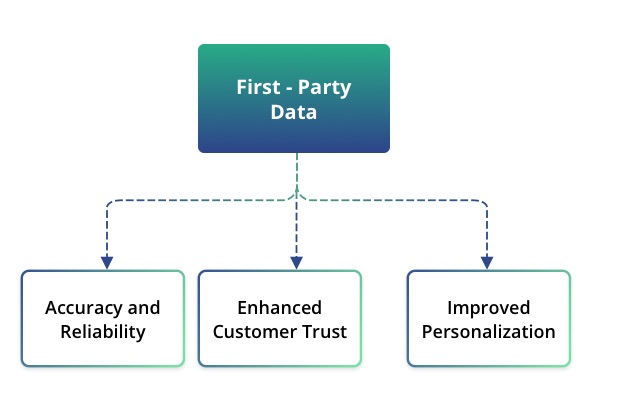
Accuracy and Reliability
First-party data is highly accurate and reliable as it originates from direct interactions with customers. It provides a precise reflection of customer behaviors and preferences.
Enhanced Customer Trust
Customers are more willing to share data with a business they trust. First-party data collection is typically done with user consent and transparency, strengthening trust between the brand and its audience.
Improved Personalization
First-party data enables businesses to create highly personalized and relevant experiences for customers. It forms the foundation for tailoring marketing campaigns, product recommendations, and customer communication.
To put it simple, first-party data not only ensures resilience but also positions businesses to thrive in the changing landscape.
"In the cookieless landscape, first-party data is the secret sauce for businesses. It is the lifeline guiding them to stay ahead, adapt to changes, and create enduring customer connections."
Leveraging First-Party Data for Campaign Velocity
Data Collection Best Practices
Successful data activation begins with sound data collection practices. It's essential to obtain data in a responsible and ethical manner while respecting user privacy.
Obtaining User Consent
User consent is the foundation of responsible data collection. Companies should be transparent about the data they collect and obtain explicit consent from users before gathering any information. This can include cookie consent mechanisms, privacy policy disclosures, and user preferences settings.
Data Quality and Hygiene
Ensuring that the data collected is accurate and of high quality is crucial. This involves regularly updating and cleaning databases to remove duplicates and outdated information. Quality data ensures that marketing efforts are precise and effective.
Data Enrichment and Segmentation
To unlock the full potential of first-party data, companies should enrich it with additional context and segment it for specific marketing purposes. Data enrichment can involve appending demographic or behavioral information to customer profiles, while segmentation helps tailor marketing messages to different audience segments.
Activating First-Party Data
Once first-party data is collected responsibly and maintained in high quality, it's time to leverage it for marketing campaigns. This involves personalization and customer-centric approaches.
Personalized Marketing Campaigns
Personalization is a game-changer of modern marketing. Leveraging first-party data, companies can create highly personalized marketing campaigns that resonate with individual customers. This may involve personalized email content, tailored product recommendations, or individualized messaging based on customer preferences.
Customer Journey Mapping
Understanding the customer journey is essential for delivering relevant content at the right touchpoints. First-party data provides insights into how customers interact with your brand and what influences their purchasing decisions. Mapping this journey helps optimize marketing strategies for each stage of the customer lifecycle.
Product Recommendations
Utilizing first-party data, companies can offer product recommendations to customers based on their browsing and purchase history. These recommendations enhance the customer experience and increase the likelihood of conversions.
Balancing the activation of first-party data for marketing velocity with consumer privacy protection is a delicate but necessary task. When done responsibly, it ensures that customers' trust is maintained while marketing campaigns become more effective and resonant.
Leveraging Authenticated Audiences
The Role of Authenticated User Accounts
Authenticated user accounts are those for which users have logged in or provided personal information, typically through a registration process. These accounts are valuable for businesses because they offer a direct line of communication with users and a higher degree of confidence in user identity.
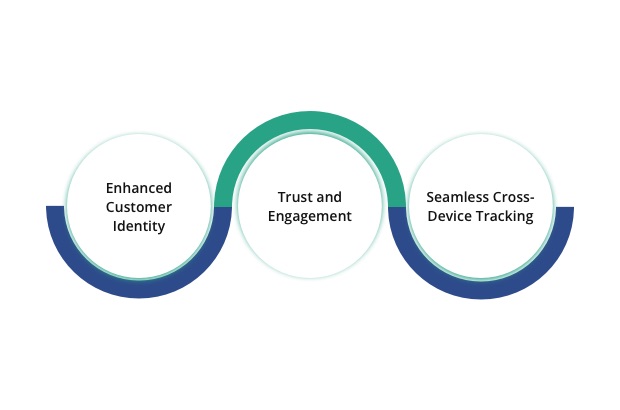
- Enhanced Customer Identity: Authenticated accounts provide a more accurate and comprehensive view of customers. This enhanced identity forms the basis for targeted and relevant marketing.
- Trust and Engagement: Users who authenticate their accounts tend to have a higher level of trust in your brand. This trust can lead to increased engagement and a more open response to marketing messages.
- Seamless Cross-Device Tracking: Authenticated accounts often allow for seamless cross-device tracking, ensuring that users' interactions and preferences are consistent across different devices, leading to a better understanding of their digital journey.
Accelerating Campaign Speed and Impact with Authenticated Data
Authenticated data empowers your marketing campaigns to move at a faster pace:
- Dynamic Content Delivery: Authenticated data allows for dynamic content delivery, ensuring that users receive relevant messages in real time based on their actions and preferences.
- Timely Promotions: Campaigns can leverage authenticated data to deliver time-sensitive promotions and notifications, ensuring users are reached at the right moment.
- Responsive Engagement: Authenticated audiences are more responsive, allowing for rapid feedback and engagement. Campaign adjustments and optimizations can occur with speed and precision.
By leveraging authenticated audiences, businesses can achieve campaign velocity and responsiveness, ensuring that marketing efforts align with real-time user behaviors and preferences.
Augmenting Customer Knowledge
Using First-Party Data to Build Comprehensive Customer Profiles
First-party data is a goldmine of information about your customers. By using this data effectively, you can construct comprehensive customer profiles that go beyond basic demographics to encompass behaviors, preferences, and interactions.
- Behavioral Insights: Analyzing user interactions with your website, app, or products can provide valuable insights into their preferences, browsing patterns, and purchase history.
- Demographics and Psychographics: Alongside behavioral data, first-party data can help build a clearer picture of your customers' demographics, interests, and psychographics, facilitating a deeper understanding of their motivations and desires.
- Loyalty and Engagement: Tracking customer loyalty, engagement levels, and feedback can help identify your most valuable customers and inform tailored retention strategies.
Predictive Analytics and AI for Customer Insights
The blend of predictive analytics and artificial intelligence (AI) with first-party data can unlock deeper customer insights and inform strategic decision-making.
- Predictive Behavior Modeling: Using machine learning and predictive analytics, you can forecast customer behavior and preferences, helping you proactively meet their needs.
- Churn Prediction: Identify at-risk customers who may be considering leaving your brand and implement retention strategies to keep them engaged.
- Content Personalization: AI algorithms can analyze data to recommend personalized content, products, or services to customers based on their previous behaviors and interactions.
Augmenting customer knowledge with first-party data allows businesses to build a richer, multidimensional understanding of their customers, resulting in more effective marketing efforts and improved customer experiences.
Scaling and Measuring Campaign Success
Increasing the Scale of Marketing
Leveraging first-party data can empower you to extend the reach and impact of your marketing campaigns. Here are some strategies that enable you to connect with a broader audience without sacrificing the personalization and engagement that your customers expect and make the most of your marketing efforts.
Multichannel Marketing: Leveraging multiple channels, such as social media, email marketing, content marketing, and paid advertising, to reach a wider audience and create a consistent brand presence.
Leveraging Look-Alike Modeling: Utilizing data analysis and modeling to identify and target audiences similar to your existing customer base, thus broadening your reach.
Strategic Partnerships: Exploring partnerships with other businesses or influencers to tap into their customer base and increase brand visibility.
Measuring Campaign Success
Effective measurement is the cornerstone of data-driven marketing. Some of the essential aspects of evaluating the success of your marketing campaigns are:
Key Performance Indicators (KPIs): Defining and tracking relevant KPIs to measure the success of marketing campaigns. This could include metrics like conversion rates, click-through rates, and customer acquisition cost.
Multivariate Testing and Iterative Improvement: Implementing multivariate testing to compare different campaign elements and continuously improving marketing strategies based on data-driven insights.
Real-Time Analytics and Reporting: Prioritizing real-time data analytics to make informed decisions during active campaigns and ensure prompt adjustments. This allows them to allocate their advertising budget more effectively, shifting resources to the channels and strategies that are generating the best results in real-time.
Effective measurement of campaign success ensures that your marketing efforts are not only data-driven but also adaptable in real time, maximizing their impact and ROI.
To conclude,
We are firmly in the era of first-party data. With third-party cookies becoming increasingly obsolete and privacy regulations tightening, businesses are pivoting towards more responsible and direct data collection.
It emphasizes that preparing for a cookieless future isn't just about compliance with privacy regulations; it's about staying relevant and competitive.
By responsibly collecting, leveraging, and protecting your data, your organizations can forge stronger connections with customers, deliver campaign velocity whilst protecting consumer privacy and remain agile and competitive in an ever-evolving digital ecosystem.
In the age of first-party data, the future is not just cookieless; it's boundlessly data-rich, and your success hinges on how effectively you navigate this new terrain.



Global Office Locations

2570 N. First Street, Suite 200,
San Jose, CA 95131
Office No. 26, 10/F, Beverley Commercial Centre,
87-105 Chatham Road South, Tsim Sha Tsui, Kowloon,
Hong Kong

The Octagon Building, #11-07, 105, Cecil Street,
Singapore 069 534
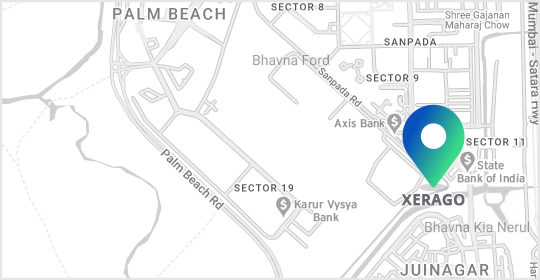
#901, 9th Floor , Ellora Fiesta.
Plot No - 8 , Sector - 11 , Sanpada.
Opp. Juinagar Rly Station.
Navi Mumbai – 400 705
Xerago Towers, Plot 80 & 93,
Industrial Estate, Perungudi,
Chennai, Tamil Nadu - 600096
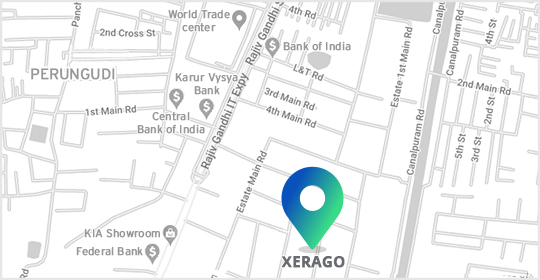




(Coming Soon)
2570 N. First Street, Suite 200,
San Jose, CA 95131
Office No. 26, 10/F, Beverley Commercial Centre,
87-105 Chatham Road South,
Tsim Sha Tsui, Kowloon,
Hong Kong
The Octagon Building, #11-07, 105, Cecil Street,
Singapore 069 534
#901, 9th Floor , Ellora Fiesta.
Plot No - 8 , Sector - 11 , Sanpada.
Opp. Juinagar Rly Station.
Navi Mumbai – 400 705
Xerago Towers, Plot 80 & 93,
Industrial Estate, Perungudi,
Chennai, Tamil Nadu - 600096
(Coming Soon)