



CDP Implementation and Customer Journey Mapping: Understanding the Customer Lifecycle
Published: December 08, 2023 | Updated: September 13, 2024
Imagine this. A customer visits an online retail website to purchase a specific item. The website has a confusing layout, making it challenging for the customer to find the product they're looking for. The navigation menu is unclear, and the search function does not yield accurate results.
After finally finding the desired product, the customer adds it to their cart and proceeds to checkout. The checkout process is unnecessarily complex, with multiple form fields, unclear instructions, and no option to save progress. The customer finds it frustrating to enter their information and complete the purchase.
Improving Customer Experience Drives Business Growth and Loyalty: Here Are a Few Resources to Learn More.
- How To Offer A Seamless, Personalized Experience That Delights Your Customers
- How to Use Customer Data to Personalize the Customer Experience
- Customer Journey Analytics - Complete Guide ( Journey mapping comparison, Tools and More)
- The Customer-Centric Imperative: Designing Digital Experiences That Delight
When the customer tries to make a payment, they realize that the website only accepts a limited number of payment methods, none of which are convenient for them. This limitation adds an extra layer of frustration, as the customer now needs to consider alternative ways to pay.
After completing the purchase, the customer expects to receive a confirmation email with order details. However, no confirmation email arrives, leaving the customer uncertain about whether their order was successfully processed. This lack of communication adds anxiety to the customer's experience.
As days pass, the customer is eager to receive their order. Unfortunately, the shipping takes longer than expected, and the tracking information provided is inaccurate or not updated regularly. The customer is left in the dark about the status of their delivery.
Frustrated with the delays and lack of information the customer attempts to contact customer support. However, they find that the support channels are limited, and when they do manage to reach out, the responses are slow, generic, and do not address the specific concerns raised by the customer.
In this example, the customer journey is marred by difficulties in website navigation, a complex checkout process, limited payment options, a lack of order confirmation, delayed shipping with poor tracking, and inadequate customer support. Each of these elements contributes to an overall negative customer experience and may discourage the customer from making future purchases with the company.
All this goes to show that it is imperative for brands to track a customer journey across the entire lifecycle to spot any bumps that might hold customers back from ultimate conversion - which is why a customer data platform is a vital addition to a brand’s marketing stack.
The Customer Journey Platform
A Customer Data Platform is a centralized database or software solution that collects, integrates, and organizes customer data from various touch-points across an organization. It aggregates data from multiple sources, such as marketing channels, sales platforms, customer service interactions, and more. The goal of a CDP is to create a unified, comprehensive customer profile that provides a 360-degree view of each customer.
Key features of a CDP include:
- Data Integration: Aggregating data from various sources to create a unified customer profile.
- Profile Unification: Associating data from different channels to create a single customer view.
- Segmentation: Grouping customers based on common attributes or behaviors.
- Real-time Data Updates: Ensuring that customer profiles are updated in real-time.
Implementing a Customer Data Platform (CDP) offers several advantages for organizations looking to enhance their customer experience, marketing efforts, and overall data management. Here are some key advantages of using a CDP:
- 360-Degree Customer View: A CDP collects and consolidates customer data from various sources, providing a unified and comprehensive view of each customer. This 360-degree customer view includes information from marketing channels, sales transactions, customer service interactions, and more. This comprehensive perspective helps organizations better understand their customers' behaviors, preferences, and needs.
- Improved Customer Segmentation: With a CDP, organizations can segment their customer base more effectively. By analyzing the integrated data, businesses can create dynamic and precise customer segments based on demographics, behavior, interests, and other relevant criteria. This enables targeted and personalized marketing campaigns.
- Enhanced Personalization: Personalization is a key driver of customer satisfaction. A CDP enables organizations to deliver more personalized and relevant experiences to their customers. By leveraging the insights gained from the centralized customer data, businesses can tailor their communications, offers, and recommendations, leading to higher engagement and conversion rates.
- Better Marketing Campaign Effectiveness: Marketers can use a CDP to optimize their campaigns by understanding how different customer segments respond to specific messages or offers. We know from experience that this data-driven approach allows for more effective targeting, reducing wasted resources and improving the overall return on investment (ROI) for marketing initiatives.
- Real-time Data Updates: A CDP often supports real-time data updates, ensuring that customer profiles are continuously refreshed with the latest information. This real-time capability is crucial for adapting marketing strategies and customer interactions on the fly, based on the most recent customer behaviors and preferences.
- Cross-Channel Consistency: With a CDP, organizations can maintain consistency across various customer touch-points and channels. Whether a customer interacts with a brand through a website, mobile app, social media, or in-store, the CDP helps ensure a cohesive experience by providing accurate and up-to-date customer information.
In short, a Customer Data Platform offers numerous advantages, including a holistic customer view, improved segmentation, enhanced personalization, better marketing campaign effectiveness, real-time data updates, cross-channel consistency, and improved customer retention. These benefits contribute to creating a more efficient, customer-centric, and data-driven organization.
But having a CDP alone is not enough. It is important for brands to map customer journeys.
CDPs enable businesses to turn fragmented data into actionable insights, providing a unified customer view for personalized marketing and seamless experiences. Learn More about CDP below
Transform Your Marketing with Data - 17 Analytics Techniques
Customer Journey Mapping
Customer Journey Mapping (CJM) is a strategic tool used by businesses to understand and visualize the end-to-end experience of a customer as they interact with a product or service. The process involves creating a visual representation of the customer's various touch-points, interactions, and emotions throughout their entire journey. The role of customer journey mapping is significant and multifaceted:
- Customer journey mapping helps organizations gain a deeper understanding of the customer experience. By documenting each step of the customer's interaction with the brand, businesses can identify pain points, moments of delight, and areas for improvement. CJM allows businesses to identify and analyze the various touch-points where customers engage with the brand, including pre-purchase, purchase, and post-purchase interactions. This insight is crucial for optimizing the customer experience at every stage.
- Mapping the customer journey helps reveal pain points and areas of friction that customers may encounter. This could include difficulties in the purchasing process, unclear communication, or inadequate support. Identifying these pain points is the first step toward addressing and resolving them.
Customer Journey Analytics Elevate Your Customer Experience And Drive Digital Impact: Learn More On Below Resources
- Revolutionizing Omnichannel Experiences with a 360-Degree View of Customer Journey
- The Role of AI in Understanding Customer Journey Analytics
- Customer Journey Optimization: Tools and Platform to Consider
- Customer journey maps often involve input from multiple departments within an organization, including marketing, sales, customer service, and product development. Collaborative creation of CJMs encourages cross-functional communication and a shared understanding of the customer experience.
- Armed with insights from customer journey maps, businesses can develop and implement customer-centric strategies. This might involve tailoring marketing messages, improving product features, or enhancing customer support processes to align better with customer needs and expectations.
- Not all touchpoints are equally impactful. Customer journey mapping helps prioritize touchpoints that have the most significant influence on customer satisfaction and loyalty. This prioritization guides resource allocation and strategic decision-making.
- Customer journey mapping contributes to personalized customer experiences by revealing customer preferences, behaviors, and expectations at different stages of the journey. This information can be used to tailor communications and offers to meet individual customer needs.
The role of customer journey mapping is to provide a holistic understanding of the customer experience, identify opportunities for improvement, foster collaboration across departments, and guide strategic decision-making to create more customer-centric and successful businesses.
The Synergy that an integration of a CDP and Customer Journey Mapping brings
Integrating a Customer Data Platform (CDP) with Customer Journey Mapping (CJM) offers several advantages, providing organizations with a comprehensive view of a customer's journey through the entire lifecycle.
Holistic Customer Understanding:
CDP Contribution: Aggregates and consolidates customer data from various touchpoints and sources.
CJM Contribution: Visualizes the end-to-end customer journey, highlighting touchpoints and interactions.
Advantage: The integration provides a holistic understanding of the customer by combining comprehensive data with a visual representation of their journey. This helps in identifying patterns, preferences, and pain points.
Personalization at Scale:
CDP Contribution: Stores and updates individual customer profiles with real-time data.
CJM Contribution: Visualizes touchpoints and interactions, allowing for personalized mapping.
Advantage: Organizations can personalize customer interactions at scale by leveraging CDP data within the CJM. This leads to more targeted and relevant experiences throughout the customer lifecycle.
Segmentation and Targeting:
CDP Contribution: Enables segmentation based on customer attributes and behaviors.
CJM Contribution: Provides a visual representation of customer touchpoints and interactions.
Advantage: Integrating CDP and CJM allows for customized journey mapping based on specific customer segments. This ensures that marketing strategies and touchpoints are tailored to the characteristics of different customer groups.
Real-Time Adaptation:
CDP Contribution: Supports real-time data updates and changes to customer profiles.
CJM Contribution: Visualizes the customer journey, which can be adapted in real-time.
Advantage: The integration facilitates the ability to adapt the customer journey dynamically based on the latest data. Organizations can respond to changing customer behaviors and preferences in real time.
Identification and Resolution of Pain Points:
CDP Contribution: Captures detailed customer data, including feedback and preferences.
CJM Contribution: Maps customer touchpoints, identifying pain points and areas of friction.
Advantage: The integration helps organizations correlate specific customer data with pain points in the customer journey. This enables targeted efforts to address and resolve issues, improving overall customer satisfaction.
Consistent Cross-Channel Experiences:
CDP Contribution: Creates a unified customer profile across channels and touchpoints.
CJM Contribution: Visualizes the customer journey across various channels.
Advantage: Integrating CDP and CJM ensures consistency in the customer experience across different channels. This alignment contributes to a seamless and coherent customer journey.
Data-Driven Decision Making:
CDP Contribution: Provides actionable insights from centralized customer data.
CJM Contribution: Visualizes customer interactions and touchpoints.
Advantage: The integration empowers organizations to make informed decisions by combining the analytical power of the CDP with the visual representation of the CJM. This data-driven approach supports strategic planning and optimization.
Continuous Improvement:
CDP Contribution: Supports continuous updates and refinement of customer profiles.
CJM Contribution: Offers a visual representation that can be continuously refined.
Advantage: The integration fosters a culture of continuous improvement by allowing organizations to iteratively enhance both the data in the CDP and the visual representation in the CJM, ensuring ongoing optimization of the customer journey.
Conclusion
The integration of a CDP with Customer Journey Mapping creates a powerful synergy that significantly enhances the ability to comprehensively track the entire customer journey. This integration is impactful for several reasons. Firstly, the CDP contributes by gathering and consolidating customer data from various touchpoints and channels. Simultaneously, the CJM visualizes the customer journey by mapping out touchpoints and interactions. The synergy between these two components ensures that the customer journey map is enriched with real-time, unified customer data from the CDP, forming a solid foundation for a more accurate and detailed representation of the customer journey.
Moreover, the integration leverages the real-time capabilities of the CDP into the CJM, allowing organizations to track customer interactions as they happen. This ensures that the mapped journey is adaptive and reflects the most current customer behaviors and preferences. The integration also facilitates personalization across touchpoints by enabling the CDP to store individual customer profiles and the CJM to visualize touchpoints and interactions throughout the customer journey. This synergy ensures that the customer experience is tailored to individual preferences, thereby increasing engagement and satisfaction.
Additionally, the integration enables segment-specific journey maps by combining the CDP's segmentation capabilities with the CJM's visual representation of customer touchpoints. This allows organizations to track and optimize the journey for different customer segments, ensuring targeted and relevant experiences. The synergy also aids in the identification and resolution of pain points by correlating specific customer data from the CDP with pain points in the CJM. This integrated approach facilitates targeted efforts to address and resolve issues, ultimately improving overall customer satisfaction.
Consistency across cross-channel experiences is achieved through the alignment of the unified customer profile created by the CDP with the visual representation in the CJM. This consistency contributes to a seamless and coherent cross-channel experience for the customer. The integrated approach further supports data-driven decision-making by combining the actionable insights provided by the CDP with the visual representation of customer interactions and touchpoints in the CJM. This data-driven synergy empowers organizations to make informed decisions, supporting strategic planning and optimization.
Finally, the integration fosters a culture of continuous improvement by allowing organizations to iteratively enhance both the data in the CDP and the visual representation in the CJM. This ensures ongoing optimization of the customer journey, making it a dynamic and evolving process. In summary, the synergy created by integrating a CDP and CJM not only enhances the ability to track the entire customer journey but also provides a unified, real-time, and personalized view, leading to a more effective and satisfying customer experience throughout the entire lifecycle.
Integrating a CDP and CJM provides a powerful combination of data-driven insights and visual representation, offering a comprehensive view of the customer journey. This integration empowers organizations to deliver more personalized experiences, address pain points, and continuously optimize the customer experience throughout the entire lifecycle.



Global Office Locations

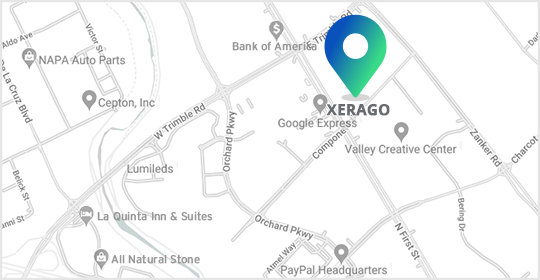
2570 N. First Street, Suite 200,
San Jose, CA 95131
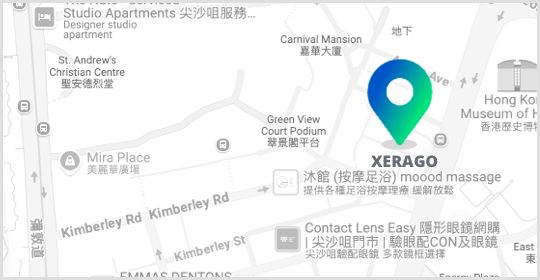
Office No. 26, 10/F, Beverley Commercial Centre,
87-105 Chatham Road South, Tsim Sha Tsui, Kowloon,
Hong Kong
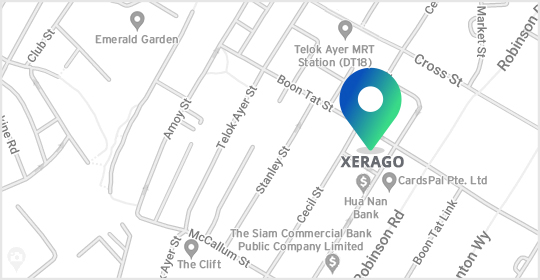
The Octagon Building, #11-07, 105, Cecil Street,
Singapore 069 534
#901, 9th Floor , Ellora Fiesta.
Plot No - 8 , Sector - 11 , Sanpada.
Opp. Juinagar Rly Station.
Navi Mumbai – 400 705

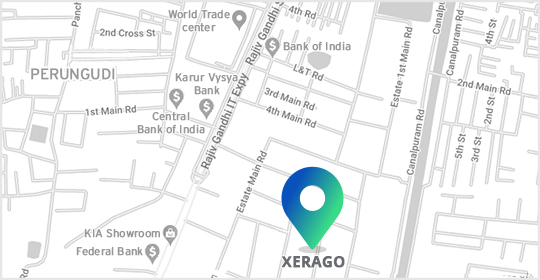
Xerago Towers, Plot 80 & 93,
Industrial Estate, Perungudi,
Chennai, Tamil Nadu - 600096



(Coming Soon)
2570 N. First Street, Suite 200,
San Jose, CA 95131
Office No. 26, 10/F, Beverley Commercial Centre,
87-105 Chatham Road South,
Tsim Sha Tsui, Kowloon,
Hong Kong
The Octagon Building, #11-07, 105, Cecil Street,
Singapore 069 534
#901, 9th Floor , Ellora Fiesta.
Plot No - 8 , Sector - 11 , Sanpada.
Opp. Juinagar Rly Station.
Navi Mumbai – 400 705
Xerago Towers, Plot 80 & 93,
Industrial Estate, Perungudi,
Chennai, Tamil Nadu - 600096
(Coming Soon)