



Phygital Trends for Gen Z: Connecting with the Next Generation of Consumer
Published: October 20, 2023 | Updated: January 28, 2025
Introduction
The rise of technology has transformed the way we live, work, and interact with the world around us. The line between the physical and digital realms is becoming increasingly blurred in this fast-paced world, leading to the popularity of "phygital."
One generation that has grown up in this era of rapid technological advancements is Gen Z. To successfully capture the attention and loyalty of this generation, brands must understand and leverage the phygital trends that resonate with Gen Z.
In this article, we will delve into the world of phygital trends for Gen Z and explore how brands can effectively tap into this next generation of consumers.
Understanding Gen Z
Born between the mid-1990s and early 2010s, Gen Z has a distinct set of characteristics and preferences that make them a unique target audience for businesses. Some defining characteristics of Gen Z include:
Short Attention Spans: Growing up in an era of information overload, Gen Z tends to have shorter attention spans than previous generations. This has implications for how businesses engage with them through marketing and content.
Influence on Older Generations: Gen Z often influences the purchasing decisions of their parents and older relatives, especially when it comes to technology and digital trends.
Communication Preferences: Gen Z prefers short-form content, visual communication (e.g., images, videos, emojis), and instant messaging platforms. They are less likely to engage with traditional marketing methods like long-form advertisements.
Socially Conscious: Gen Z is highly socially conscious and passionate about various global issues, such as climate change, social justice, and human rights. They are more likely to support brands and causes that align with their values and contribute positively to society.
Why Gen Z is a Crucial Market for Businesses?
Gen Z represents a critical market for businesses for several compelling reasons:
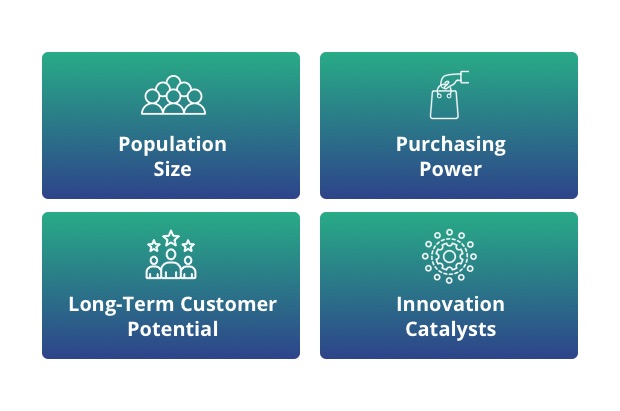
Population Size: Gen Z is a sizable generation, making up a significant portion of the global population. Their sheer numbers make them an attractive market for businesses seeking growth opportunities.
Purchasing Power: As Gen Z members enter the workforce and gain financial independence, their purchasing power is increasing. They are becoming a lucrative consumer segment with the potential to drive revenue growth for businesses.
Long-Term Customer Potential: Building brand loyalty with Gen Z can lead to long-term customer relationships. As they age, their spending capacity and influence within their networks will continue to grow, making them valuable customers over time.
Innovation Catalysts: Gen Z's preference for digital experiences and their openness to innovation inspire businesses to develop new products, services, and marketing strategies, driving innovation across industries.
Gen Z is not just the future; they are the present consumers who demand attention from businesses. Understanding their unique characteristics, values, and preferences is essential for companies looking to thrive in the rapidly evolving consumer landscape. Adapting to the changing dynamics of this generation is key to staying relevant and successful in the marketplace.
Key Phygital Trends for Gen Z
To capture the attention and loyalty of this tech-savvy generation, it is imperative for businesses to stay at the forefront of the latest trends in what is now coined as "phygital" experiences.
"Phygital is the bridge between the traditional and digital realms, and it's the key to not just surviving but thriving in the modern business landscape."
In this section, we will delve into the most pertinent and impactful "phygital" trends that are captivating Gen Z consumers. These trends go beyond the traditional paradigms of shopping, engagement, and marketing. They embody the fusion of physical and digital elements to create captivating, personalized, and immersive experiences that resonate with the unique characteristics and preferences of Gen Z.
A. Immersive Phygital Experiences
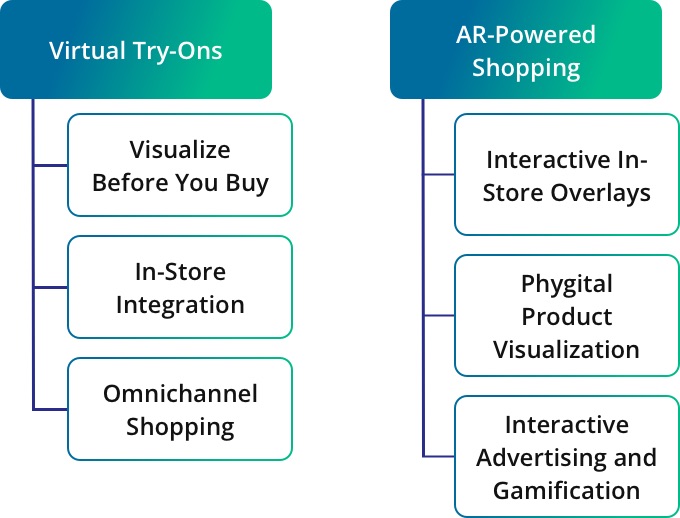
Virtual Try-Ons and Fittings:
Virtual try-on technology is at the forefront of phygital retail experiences. It seamlessly blends the physical act of trying on products with the digital convenience of online shopping. Here's how it works in a phygital context:
Visualize Before You Buy: Gen Z can now bridge the gap between the physical and digital worlds when shopping for fashion or beauty products. Through phygital platforms and apps, they can virtually "try on" clothing, makeup, or accessories, enabling them to visualize products before making a purchase.
In-Store Integration: Some forward-thinking retailers integrate virtual try-on stations in their physical stores. This allows Gen Z customers to physically interact with products while leveraging digital technology for a more immersive experience.
Omnichannel Shopping: Gen Z consumers appreciate an omnichannel approach to shopping. With phygital try-on experiences, they can seamlessly transition from trying on a product in-store to purchasing it online or vice versa.
AR-Powered Shopping:
Augmented Reality (AR) is a pivotal component of phygital retail experiences, bringing the best of both physical and digital realms to Gen Z shoppers:
Interactive In-Store Overlays: In physical stores, AR apps can overlay digital information onto the physical environment. Gen Z shoppers can use their smartphones to access real-time store layouts, product locations, and even special promotions, blending the convenience of digital information with the tangibility of the physical store.
Phygital Product Visualization: AR enables Gen Z to transcend traditional physical limitations. When shopping for furniture, for example, AR apps let users see how a piece would fit in their own living space by superimposing 3D models onto their surroundings.
Interactive Advertising and Gamification: Brands leverage AR to transform static advertisements into interactive experiences, enriching the shopping journey. Gen Z can engage with AR-enhanced ads, unlocking discounts, coupons, or exclusive products by playing AR-powered games.
Drive Growth with Data: Instantly Access Your Guide to Data Analytics Transformation
B. Social Commerce: Blending the Social and Shopping Experience
Live Streaming Shopping: Live streaming shopping events have taken the world by storm, capturing the attention and enthusiasm of Gen Z consumers. These events, often hosted by influencers or brands, provide a dynamic and interactive shopping experience. Here's why Gen Z is flocking to these live streams:

In-Person Experience, Virtually: Live streaming shopping bridges the physical and digital by allowing Gen Z to participate in real-time shopping events from the comfort of their digital devices. They can interact with hosts, influencers, and fellow viewers as if they were physically present.
Interactive Engagement: The key allure lies in the ability to engage directly during the live broadcast. Gen Z can ask questions, seek recommendations, and even make purchase inquiries, fostering a sense of connection and immediate feedback.
Entertainment and Shopping Fusion: Live streams merge entertainment with shopping seamlessly. They often feature product demonstrations, behind-the-scenes insights, and interactive challenges, making shopping an engaging and enjoyable experience.
Shoppable Content:
Shoppable content represents a transformative element of social commerce, allowing Gen Z to seamlessly transition from inspiration to purchase within the phygital landscape:
Instant Gratification: Shoppable posts and videos enable Gen Z to satisfy their desire for instant gratification. With a simple click, they can go from discovering a product to making a purchase, all within the same platform.
Visual Discovery: These platforms leverage the power of visual content, aligning perfectly with Gen Z's preference for image- and video-based communication. Products are organically integrated into content, making discoveries natural and visually appealing.
User-Generated Authenticity: Shoppable content often incorporates user-generated content (UGC). Gen Z can see how others style or use products, adding authenticity and relatability to their shopping experience.
C. Contactless Shopping and Payments in the Phygital Landscape
Mobile Wallets and QR Codes: Mobile wallets and QR codes have become central players in the phygital shopping landscape, revolutionizing the way Gen Z engages in transactions and interactions within physical stores:
Seamless Transactions: Mobile wallets such as Apple Pay, Google Pay, and Samsung Pay allow Gen Z to make contactless payments swiftly and securely using their smartphones. QR codes are often integrated into these platforms, serving as the bridge between the physical point of sale and the digital payment realm.
Digital Receipts and Records: The phygital experience extends to post-purchase convenience. Mobile wallet users receive digital receipts, making it easy to track expenses, access transaction history, and manage finances—all within the digital realm.
Integration with Loyalty Programs: Many mobile wallets allow Gen Z to link their loyalty and rewards cards, ensuring that they continue to enjoy perks and discounts even in the phygital world.
Scan-and-Go Stores: A Phygital Evolution
Scan-and-Go stores represent a transformative trend that resonates deeply with Gen Z's penchant for convenience, efficiency, and seamless experiences:
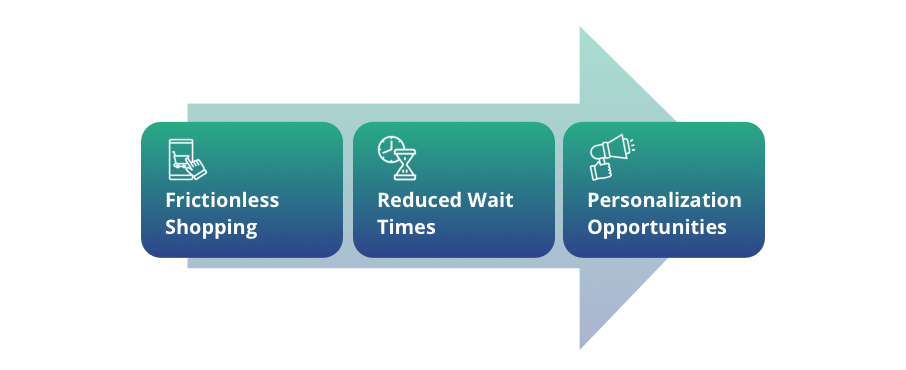
Frictionless Shopping: Scan-and-Go stores take the concept of contactless shopping to the next level. Gen Z shoppers can enter these shops, grab items they want, scan them using a mobile app, and simply walk out. The digital transaction occurs seamlessly without the need for traditional checkouts.
Reduced Wait Times: The appeal of Scan-and-Go stores lies in their elimination of queues and checkout hassles. Gen Z values their time and prefers to spend it on meaningful interactions and experiences rather than waiting in line.
Personalization Opportunities: These stores can leverage data from app usage to provide personalized recommendations, promotions, and in-store experiences, catering to the unique preferences of Gen Z.
D. Virtual Events and Pop-Ups: Phygital Entertainment and Engagement
Virtual Pop-Up Shops: Virtual pop-up shops are a novel concept that exemplifies the fusion of the physical and digital worlds. They allow brands to create exclusive and interactive online spaces for Gen Z, offering a unique blend of discovery, engagement, and retail therapy:
Exclusive Collections: Brands use virtual pop-up shops to unveil limited-edition collections or products that are not available through traditional retail channels. Gen Z, who crave exclusivity and uniqueness, find this concept particularly appealing.
Virtual Brand Ambassadors: Gen Z values authenticity and peer influence. Virtual pop-ups often feature brand ambassadors or influencers who interact with visitors, answer questions, and offer recommendations, replicating the in-store experience in a digital realm.
Interactive Elements: The phygital aspect is enhanced through interactive elements. Gen Z can click on products for detailed information, view 360-degree images, and even try on products virtually.
Virtual Concerts and Festivals: The Digital Evolution of Entertainment
The appeal of virtual concerts and festivals has skyrocketed, allowing Gen Z to enjoy immersive music experiences from the comfort of their own digital spaces:
Accessible Entertainment: Virtual concerts and festivals break down geographical barriers, enabling Gen Z to attend events they might otherwise miss. They can immerse themselves in live performances and festival vibes, all through their screens. It allows brands to gain significant visibility among Gen Z audiences and build meaningful connections with them.
Customized Experiences: Some virtual events offer personalized experiences. Gen Z can choose their viewing angles, access backstage content, and even participate in virtual meet-and-greets with their favorite artists or performers.
To conclude,
The digital age has reshaped the consumer landscape, and Gen Z is leading the charge with their expectations for seamless, immersive, and personalized experiences. By staying agile, forward-thinking, and empathetic to Gen Z's values and preferences, businesses can not only thrive but also forge lasting connections with the next generation of consumers. In the phygital era, the opportunities for those who innovate and engage with Gen Z are boundless, and the time to embark on this transformative journey is now!



Global Office Locations

2570 N. First Street, Suite 200,
San Jose, CA 95131

Office No. 26, 10/F, Beverley Commercial Centre,
87-105 Chatham Road South, Tsim Sha Tsui, Kowloon,
Hong Kong

The Octagon Building, #11-07, 105, Cecil Street,
Singapore 069 534

#901, 9th Floor , Ellora Fiesta.
Plot No - 8 , Sector - 11 , Sanpada.
Opp. Juinagar Rly Station.
Navi Mumbai – 400 705

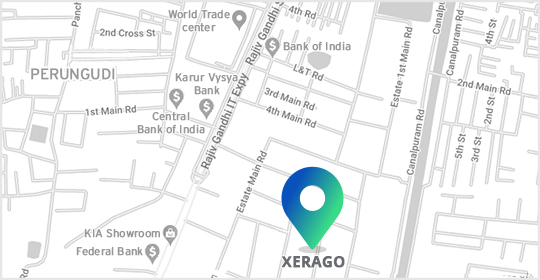
Xerago Towers, Plot 80 & 93,
Industrial Estate, Perungudi,
Chennai, Tamil Nadu - 600096




(Coming Soon)
2570 N. First Street, Suite 200,
San Jose, CA 95131
Office No. 26, 10/F, Beverley Commercial Centre,
87-105 Chatham Road South,
Tsim Sha Tsui, Kowloon,
Hong Kong
The Octagon Building, #11-07, 105, Cecil Street,
Singapore 069 534
#901, 9th Floor , Ellora Fiesta.
Plot No - 8 , Sector - 11 , Sanpada.
Opp. Juinagar Rly Station.
Navi Mumbai – 400 705
Xerago Towers, Plot 80 & 93,
Industrial Estate, Perungudi,
Chennai, Tamil Nadu - 600096
(Coming Soon)