




Streamlining Content Production for Multichannel Communication
Published: October 20, 2023 | Updated: July 08, 2024
"Wherever your customers are, your brand should be". This simple yet challenging truth has taken on a new meaning for enterprises operating in a multi-channel environment. Simple because it presents numerous opportunities to expand outreach. Challenging, because enterprises need to wade through an explosion of digital channels, all of which require customized and up-to-date content assets.
Today, brands can connect with customers everywhere, which requires them to create, manage, and share a high volume of content through multiple channels. But most are merely getting by, applying antiquated and generic content development processes. The key to mastering multichannel communication lies in streamlining content production.
The Importance of Streamlining Content Production
Enterprises continue to strive to deliver relevant content at every touchpoint in a customer's journey. This content can vary from ad copy to digital images and even FAQs, technical specifications, and the answers given through a call center by chat or telephone.
All content represents the brand and must be consistent and accurate to appropriately benefit the recipient. As types of content continue to proliferate, brands must prioritize the delivery of consistent messaging in real time. Hence, the need to plan, develop, manage, and deliver content at scale is critical.
However, the complexity involved in matching creative assets to your audience and the channels they are on is incredible. Managing the entire lifecycle of thousands of creative assets and pushing them through a process that involves multiple teams, formats, and channels can be daunting. To do so without a streamlined process invites a large amount of inefficiency and uncertainty into the process and, at the extreme, runs the risk of jeopardizing your brand's value.
The Challenges of Streamlining Content for the Multichannel Maze
The digital realm is a vast ecosystem that continues to evolve rapidly. From social media giants like Facebook, Twitter, and Instagram to content-sharing platforms like YouTube and TikTok, from email marketing to mobile apps, each channel presents a unique set of opportunities and requirements. The rise of voice search, augmented reality, and chatbots adds further complexity.
Managing content across this diverse array of channels can be overwhelming. Some of the challenges include:
- Content Overload: Keeping up with the voracious appetite of modern audiences for fresh, relevant content
- Resource Drain: Allocating time, money, and talent across multiple channels can strain budgets and human resources.
- Consistency Concerns: Ensuring a unified brand voice and message across all channels.
- Data Integration: Extracting meaningful insights from diverse channel data to drive strategy
Strategies to Streamline Multichannel Content Production
1. Content Reusability
An integral part of streamlining content production is the concept of content reusability. This involves creating content assets that can be reused across various channels and formats, significantly enhancing efficiency and effectiveness.
In terms of digital assets, content reusability is all about adapting images, videos, and other media for use in different channels, promotions, and campaigns; instead of creating one asset for a brochure and a very similar, separate one for a website.
With an effective content reusability strategy, you can streamline content production in the following ways:
- Launch synchronized campaigns across platforms and channels.
- Update your content for new campaigns such as adding new information, statistics, images, or calls to action.
- Curate content for different audience segments based on geography, demography, and more.
To effectively re-use content, you need to maintain a central repository of creative assets, a content governance framework, and content reuse templates and workflows. Create reusable content templates and modular design elements that can be easily adapted for various channels. For instance, design templates for social media graphics or email newsletters can streamline the content creation process and ensure a cohesive look and feel across channels.
2. Content Repurposing
Similar to reusing content, repurposing is the practice of transforming your existing content into new content that serves a different purpose, audience, or goal. For example, you can repurpose a webinar into a blog series, a white paper into a video, or a survey into a report. This approach allows you to extend the life of your content and reinforce your brand message. You can repurpose top-performing content from one channel and adapt it to a different format to suit another medium.
Remember that repurposing does not mean duplicating or republishing the same content across platforms. When repurposing, it’s recommended to enhance it with new visuals, add more value, or provide a fresh perspective to keep it engaging for your audience.
With an effective content repurposing strategy, you can streamline multichannel content production in the following ways:
- Transform existing content into new content that meets your goals.
- Maximize the exposure of content across channels and platforms.
- Reinforce brand messaging and strengthen brand recall.
To repurpose content effectively, you need to audit your current content performance and formulate a content repurposing plan. A data-driven content analysis can help you identify gaps and opportunities to repurpose existing content into new content that addresses the evolving needs of your target audience.
Establishing Coherence in Communication
While reusing and repurposing content can streamline multichannel content production and accelerate content velocity, maintaining coherence in communication is paramount. Coherence entails ensuring that content, regardless of its form or channel, aligns seamlessly with the brand's core values and objectives.
Audiences expect content and feature parity across all channels at all times. Coherent messaging builds trust with the audience. Consumers are more likely to engage with brands that present a consistent image and message. Incoherent messaging, on the other hand, can create confusion and mistrust.
Consistent messaging helps consumers remember the brand more effectively. Repetition, when done coherently, reinforces the brand's identity in the minds of consumers, increasing brand recall.
Coherence in communication ensures that all content serves the brand's overarching business goals, whether it's driving sales, building brand awareness, or educating customers. Every piece of content should contribute meaningfully to these objectives.
Moreover, in times of crisis, a well-established brand with coherent communication is better equipped to manage and mitigate potential damage. A consistent response strategy is easier to implement when the brand message is well defined and aligned.
Conclusion
In an era marked by channel proliferation and the ever-increasing demand for fresh content, streamlining content production emerges as a strategic imperative for enterprises.
It enables them to maximize efficiency, optimize resources, maintain brand consistency, and drive meaningful engagement with their target audiences. Content reusability, as a pivotal component of streamlining, empowers brands to make the most of their content assets, thereby enhancing their return on investment and ensuring a unified brand presence. Similarly, brands can also consider content repurposing to accelerate content velocity and streamline their multi-channel presence.
By embracing these principles, mid-market and enterprise brands can not only navigate the complexities of multichannel communication but also establish themselves as trusted and influential voices in their respective industries.


Global Office Locations

2570 N. First Street, Suite 200,
San Jose, CA 95131

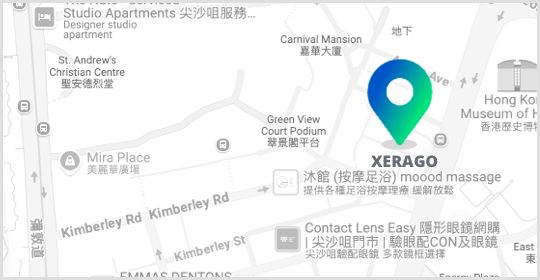
Office No. 26, 10/F, Beverley Commercial Centre,
87-105 Chatham Road South, Tsim Sha Tsui, Kowloon,
Hong Kong
The Octagon Building, #11-07, 105, Cecil Street,
Singapore 069 534

#901, 9th Floor , Ellora Fiesta.
Plot No - 8 , Sector - 11 , Sanpada.
Opp. Juinagar Rly Station.
Navi Mumbai – 400 705

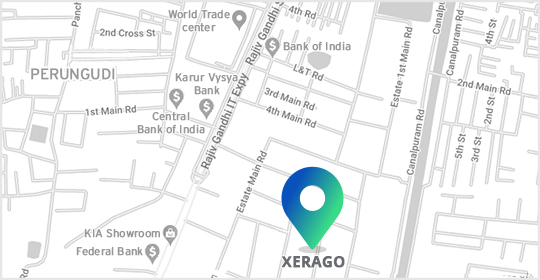
Xerago Towers, Plot 80 & 93,
Industrial Estate, Perungudi,
Chennai, Tamil Nadu - 600096

(Coming Soon)
2570 N. First Street, Suite 200,
San Jose, CA 95131
Office No. 26, 10/F, Beverley Commercial Centre,
87-105 Chatham Road South,
Tsim Sha Tsui, Kowloon,
Hong Kong
The Octagon Building, #11-07, 105, Cecil Street,
Singapore 069 534
#901, 9th Floor , Ellora Fiesta.
Plot No - 8 , Sector - 11 , Sanpada.
Opp. Juinagar Rly Station.
Navi Mumbai – 400 705
Xerago Towers, Plot 80 & 93,
Industrial Estate, Perungudi,
Chennai, Tamil Nadu - 600096
(Coming Soon)