


Your Predictions May Be Precise. But Are They Fast Enough?
Most brands claim to be “data-driven.” But in reality, they’re historically driven, reacting to what happened, not preparing for what’s next.
Your predictive models might be accurate. But are they responsive?
If your analytics engine can’t learn, adapt, and act in real time, your decisions are already outdated by the time they’re made.
A low Predictive Readiness Score can cause:
- Delayed model recalibration that misses emerging patterns
- Static segmentation that ignores new customer intent
- Poor forecasting accuracy under fast-changing trends
- Wasted marketing spend due to lagging insights
- Declining retention because predictive alerts arrive too late
If this sounds familiar, it’s time for a Predictive Readiness Audit.
Don’t just collect data, understand how ready your systems are to predict what comes next.
Our Predictive Readiness KPI Tracker Checklist helps you benchmark your organization’s prediction agility, data responsiveness, and AI maturity across every customer journey.
When You Measure Predictive Readiness, You Can:
- Detect emerging customer behaviors before they impact revenue
- Replace reactive analytics with adaptive decision systems
- Anticipate churn, purchase, and engagement shifts in real time
- Align data, AI, and marketing teams on shared predictive KPIs
- Reduce model drift and data latency
- Build confidence in every business decision
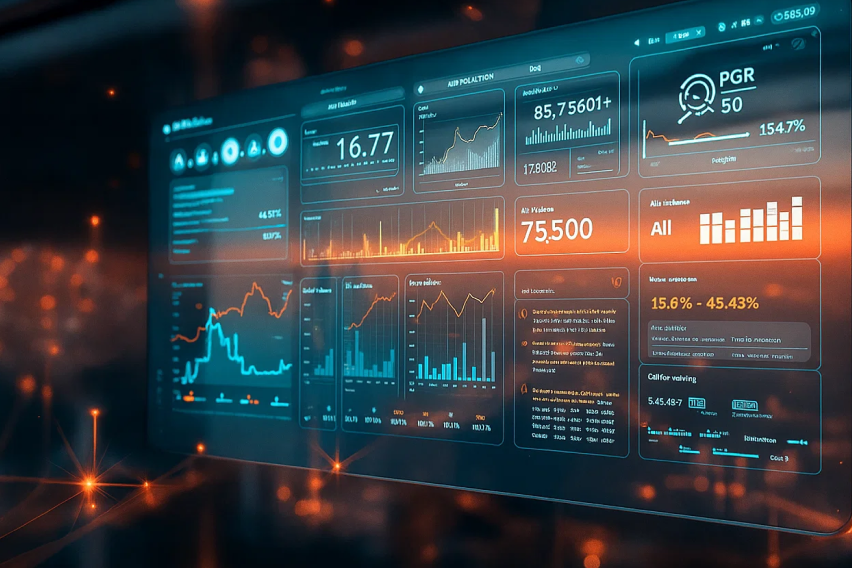
Your Analytics Engine Isn’t Broken. It’s Just Behind.
Without tracking predictive readiness, your models may look intelligent but act outdated. Every delayed update, missed signal, or static segment erodes accuracy and ROI.
Our KPI tracker reveals where your predictive ecosystem lags, helping you strengthen data pipelines, model governance, and decision speed before it impacts performance.
Get the Predictive Readiness KPI Tracker Checklist.
Download Now
Frequently Asked Questions
Frequently Asked Questions
1. How often should I assess predictive readiness?
Quarterly reviews are ideal, especially after deploying new campaigns, models, or data integrations.
2. What areas does the checklist cover?
Data quality, model adaptability, signal velocity, and decision impact are the four pillars of predictive intelligence.
3. Do I need data science expertise to use it?
No. The checklist is designed for marketing, CX, and analytics leaders no coding or modeling knowledge required.
4. Does it align with my existing analytics stack?
Yes. You can integrate the KPIs into Google Analytics, Adobe Analytics, or your CDP dashboards to measure predictive responsiveness.
5. How is this different from a regular analytics audit?
It focuses not just on accuracy, but adaptability evaluating how quickly and intelligently your systems respond to new behavioral signals.
1. How often should I assess predictive readiness?
Quarterly reviews are ideal, especially after deploying new campaigns, models, or data integrations.
2. What areas does the checklist cover?
Data quality, model adaptability, signal velocity, and decision impact are the four pillars of predictive intelligence.
3. Do I need data science expertise to use it?
No. The checklist is designed for marketing, CX, and analytics leaders no coding or modeling knowledge required.
4. Does it align with my existing analytics stack?
Yes. You can integrate the KPIs into Google Analytics, Adobe Analytics, or your CDP dashboards to measure predictive responsiveness.
5. How is this different from a regular analytics audit?
It focuses not just on accuracy, but adaptability evaluating how quickly and intelligently your systems respond to new behavioral signals.
Solution Spotlight
Discover the latest trends, strategies and perspectives that are driving innovation and shaping the future of digital.