




The Fine Line: Personalization, Privacy, and Next Best Action Recommendations
Published: December 08, 2023 | Updated: August 21, 2024
Introduction
Amidst pervasive digital interactions, personalization has surfaced as a double-edged sword. Enterprises now grapple with the delicate equilibrium required to enhance customer experiences while navigating the constant risk of encroaching on individual privacy. As technology advances, businesses strive to deliver tailor-made experiences through next-best-action recommendations, raising crucial questions about where to draw the line between customization and intrusion.
The Power and Perils of Personalization
Personalization has undoubtedly revolutionized the way we experience the digital world. From personalized product recommendations to curated content feeds, algorithms analyze user behavior to predict preferences, providing a more relevant and engaging experience. Yet, the very essence of personalization lies in the collection and analysis of personal data, prompting concerns about privacy.
On one side of the spectrum, users appreciate the convenience of personalized suggestions that save time and enhance their online journey. However, as businesses strive to anticipate users' needs, they often walk a fine line between helpful customization and invasive intrusion.
Privacy Concerns in the Era of Data
As personalization becomes more sophisticated, the amount and sensitivity of data collected grow exponentially. The Cambridge Analytica scandal and other high-profile data breaches have heightened public awareness about the importance of safeguarding personal information. Users are increasingly wary of how their data is being used, and rightfully so.
The challenge lies in finding the delicate balance between leveraging user data for personalization and respecting individual privacy rights. Companies must be transparent about their data practices, offering users clear choices and control over what information is collected and how it is used.
Next Best Action Recommendations: The Evolution of Personalization
Next best action recommendations take personalization to the next level by predicting and suggesting actions based on user behavior and historical data. Whether it's suggesting the next song to play, the next product to purchase, or the next article to read, these recommendations aim to streamline user experiences.
However, the implementation of such systems raises ethical questions. The over-reliance on the next best action approach on AI-powered decision-making engines can inadvertently lead to a loss of human touch. As algorithms scrutinize data and provide recommendations, the emotional intelligence inherent in human interactions might be overshadowed.
Thus, it’s imperative for enterprises to actively cultivate the human connection even as they continue to leverage the capabilities of AI. Striking the right balance involves not only refining algorithms but also incorporating ethical considerations into the development and deployment of recommendation systems.
Powering Next Best Recommendations with First-Party Data: A Strategic Imperative
In the pursuit of precision, relevance, and privacy in shaping next-best-action recommendations, the utilization of first-party data has become a strategic imperative. First-party data, derived directly from user interactions and engagements with a business, holds unparalleled potential to enhance the customization of recommendations while addressing privacy concerns.
Quality Insights from Direct Interactions
First-party data, obtained through direct user interactions, provides a wealth of insights into user preferences, behaviors, and needs. Analyzing data from user profiles, transaction histories, and engagement patterns enables businesses to build a comprehensive understanding of individual preferences. This direct insight forms the foundation for creating personalized and contextually relevant next best actions.
Enhanced Personalization Without Intrusion
Unlike third-party data, which can sometimes raise privacy concerns, first-party data is collected directly from users who have opted into the relationship with a specific business. This direct connection allows for a more personalized experience without the perceived intrusion associated with external data sources. By relying on the data users willingly share, businesses can deliver recommendations that feel tailor-made without compromising privacy boundaries.
Smart Strategies: The Integral Role of Consent Management in Next Best Action Implementations
As businesses harness first-party data to fuel next-best recommendations, obtaining and respecting user consent becomes not only a legal obligation but a fundamental aspect of building trust and maintaining transparency. By integrating a robust consent management strategy into their operations, businesses not only mitigate legal risks but also foster a relationship of transparency, respect, and collaboration with their users, ensuring that personalized recommendations are built on a foundation of informed and willing participation.
User-Centric Approach
Consent management places the user at the center of the data-sharing equation. It acknowledges the autonomy of individuals in deciding how their data is used and underscores the importance of empowering users with control over their personal information. This user-centric approach aligns with the principles of ethical data practices and reinforces a foundation of trust between businesses and their audience.
Transparent Data Practices
Consent acts as a gateway to transparent data practices. Businesses must communicate, in clear and easily understandable terms, the nature of data collection, the purposes for which it will be used, and the potential impact on the user experience. Transparent communication about data practices builds trust and helps users make informed decisions about the extent to which they are willing to share their information.
Granular Control and Preferences
Consent management goes beyond a binary agreement; it involves offering users granular control over their preferences. Users should have the ability to customize the types of data they are comfortable sharing, the duration for which consent is granted, and the specific contexts in which their data will be utilized. This granular control ensures that users feel empowered and respected in their engagement with digital platforms.
Dynamic and Revocable Consent
The dynamic nature of user preferences necessitates a consent management system that is flexible and easily adjustable. Users should be able to modify their consent settings over time, reflecting changes in their preferences or evolving concerns about data usage. Additionally, providing users with the ability to easily revoke consent reinforces the idea that control over personal data remains firmly in their hands.
Regulatory Compliance
Consent management is a crucial component of compliance with privacy regulations such as GDPR, CCPA, and others. Adhering to these regulations is not only a legal obligation but a key element in building a reputation for ethical data practices. By implementing a robust consent management framework, businesses demonstrate their commitment to respecting user rights and privacy laws.
Education and Awareness
Consent management serves as an opportunity for education and awareness. Businesses can use this interaction to explain the value proposition of personalized recommendations, assuage privacy concerns, and reinforce the benefits of a mutually beneficial data-sharing relationship. Educated users are more likely to make informed decisions and become active participants in the consent process.
Cross-Channel Consistency
In the age of omnichannel experiences, ensuring consistency in consent management across various touchpoints is paramount. Users should experience a coherent and unified approach to data consent, regardless of the platform or device they are using. This consistency builds confidence in users that their preferences are respected consistently across their digital interactions.
Infusing Privacy and Ethical Design Principles in Next Best Recommendation Algorithms
Ethical and privacy considerations are not just an afterthought but an integral component in the development and deployment of systems that wield significant influence over user experiences.
Transparency in Decision-Making
Users should not be left in the dark about how algorithmic decisions are made. Transparent algorithmic processes build user trust by providing insight into the factors influencing recommendations. A clear and understandable decision-making process fosters user confidence and helps demystify the sometimes-opaque nature of complex algorithms.
Balancing Personalization and Serendipity
While personalization is a cornerstone of next best recommendations, ethical algorithms strike a balance by also allowing for serendipity. Users should be exposed to a diverse range of suggestions, preventing the creation of digital echo chambers. This ensures that recommendations contribute to user enrichment rather than reinforcing existing preferences to the exclusion of new and varied experiences.
User Empowerment and Control
Ethical algorithms prioritize user empowerment. Users should have control over the data they share and the degree of personalization they receive. Providing clear options for users to customize their preferences and opt-out of certain recommendation features respects individual autonomy, fostering a positive user experience.
Mitigating Unintended Consequences
Ethical design involves anticipating and mitigating unintended consequences of algorithmic decisions. Algorithms should be continuously monitored for any adverse effects on user behavior, and adjustments should be made to minimize negative impacts. This proactive approach ensures that the algorithm evolves responsibly over time.
Regular Audits and Accountability
Ethical algorithm design is an ongoing process that involves regular audits and accountability measures. Developers must periodically assess algorithmic outcomes for biases, inaccuracies, or unintended consequences. Establishing accountability mechanisms ensures that any issues are promptly addressed, maintaining the integrity of the recommendation system.
Respecting Privacy Boundaries
Ethical algorithms operate within the confines of strict privacy guidelines. Personal data should be handled with the utmost care, and users should be fully informed about the data collected and its intended use. Respecting privacy boundaries is not just a legal obligation but a foundational element of ethical algorithmic design.
User Feedback Integration
Ethical algorithms actively seek and incorporate user feedback. Users are valuable sources of information regarding the impact of recommendations on their experience. Integrating user feedback helps refine algorithms, making them more responsive to user preferences while addressing any ethical concerns that may arise.
Final Thoughts
In conclusion, the next-best action in the era of digital personalization is not just about algorithms and data; it's about a holistic approach that places users at the center. It's a journey marked by innovation, responsibility, and a commitment to ethical practices. By navigating this path thoughtfully, businesses can not only deliver personalized and engaging experiences but also contribute to a digital landscape that respects user privacy, fosters trust, and enriches the human connection.



Global Office Locations

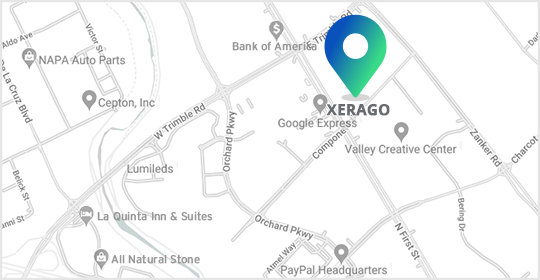
2570 N. First Street, Suite 200,
San Jose, CA 95131
Office No. 26, 10/F, Beverley Commercial Centre,
87-105 Chatham Road South, Tsim Sha Tsui, Kowloon,
Hong Kong

The Octagon Building, #11-07, 105, Cecil Street,
Singapore 069 534

#901, 9th Floor , Ellora Fiesta.
Plot No - 8 , Sector - 11 , Sanpada.
Opp. Juinagar Rly Station.
Navi Mumbai – 400 705

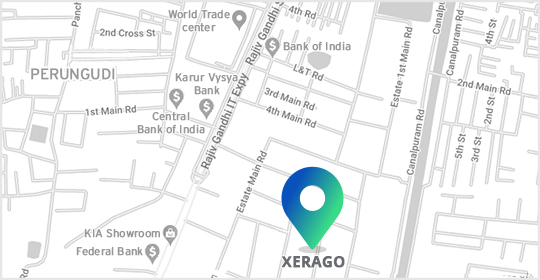
Xerago Towers, Plot 80 & 93,
Industrial Estate, Perungudi,
Chennai, Tamil Nadu - 600096




(Coming Soon)
2570 N. First Street, Suite 200,
San Jose, CA 95131
Office No. 26, 10/F, Beverley Commercial Centre,
87-105 Chatham Road South,
Tsim Sha Tsui, Kowloon,
Hong Kong
The Octagon Building, #11-07, 105, Cecil Street,
Singapore 069 534
#901, 9th Floor , Ellora Fiesta.
Plot No - 8 , Sector - 11 , Sanpada.
Opp. Juinagar Rly Station.
Navi Mumbai – 400 705
Xerago Towers, Plot 80 & 93,
Industrial Estate, Perungudi,
Chennai, Tamil Nadu - 600096
(Coming Soon)