




AI-Powered CDPs: Pioneering the Next Era of Personalized Customer Experiences
Published: December 08, 2023 | Updated: July 24, 2024
The traditional approach to customer experiences often involved broad segmentation and generic messaging. However, as consumers became inundated with information, the need for more personalized and relevant interactions became apparent. This shift in consumer expectations has prompted businesses to explore new technologies to enhance their understanding of individual customer preferences and behaviors.
AI-powered Customer Data Platforms (CDPs) emerge as a game-changer in this scenario by leveraging machine learning algorithms to analyze vast amounts of customer data in real-time. These platforms go beyond static segmentation, allowing businesses to create dynamic, ever-evolving customer profiles. As a result, brands can now anticipate customer needs, tailor their communications, and provide a more engaging and satisfying customer journey.
The Rise of AI-Powered CDP
An AI-powered Customer Data Platform (CDP) is an advanced technological solution that integrates artificial intelligence into the traditional CDP framework. Unlike conventional CDPs, which primarily focus on aggregating and unifying customer data, AI-powered CDPs leverage sophisticated algorithms and machine learning to analyze vast datasets in real-time. These platforms go beyond static data management, offering dynamic and predictive insights into customer behaviors, preferences, and trends.
By harnessing the power of artificial intelligence, AI-powered CDPs enable businesses to personalize customer experiences at scale, make real-time decisions, and continuously adapt to changing market dynamics. The integration of AI elevates CDPs to a new level, providing businesses with the tools to not only understand their customers comprehensively but also to proactively anticipate their needs and deliver highly tailored interactions.
CDP + AI in action
AI-powered CDPs redefine customer experiences by elevating the level of personalization, responsiveness, and intelligence. The integration of AI transforms customer interactions from reactive to proactive, creating a more dynamic and customer-centric landscape that is essential for businesses to thrive in the modern digital era.
Here are several ways in which AI-powered CDPs contribute to the redefinition of customer experiences:
1. Intelligent Data Processing:
The traditional role of CDPs in consolidating and unifying customer data was a significant leap forward in improving customer insights. However, the rise of AI-powered CDPs takes this a step further by introducing intelligent data processing capabilities. These platforms leverage machine learning algorithms to sift through massive datasets, identify patterns, and extract meaningful information in real-time.
2. Predictive Analytics:
AI-powered CDPs bring predictive analytics to the forefront, allowing businesses to forecast customer behaviors and trends. By analyzing historical data and identifying patterns, these platforms can predict future actions, enabling organizations to proactively tailor their strategies. Whether it's anticipating product preferences or forecasting potential churn, predictive analytics powered by AI enhances the strategic decision-making process.
3. Personalization Precision:
One of the standout features of AI-powered CDPs is their ability to deliver hyper-personalization at scale. Traditional CDPs offered segmentation capabilities, but AI takes personalization to a granular level. By continuously learning from customer interactions, preferences, and behaviors, these platforms dynamically adjust and personalize content, offers, and recommendations, ensuring that each customer receives a uniquely tailored experience.
4. Real-Time Decision-Making:
AI injects real-time capabilities into CDPs, enabling businesses to make split-second decisions based on live data streams. This is particularly crucial in today's fast-paced digital environment where customer expectations for instant responses are the norm. With AI-driven insights, businesses can trigger personalized communications, offers, or interventions in real-time, enhancing the agility of customer interactions.
5. Adaptive Learning:
Unlike static systems, AI-powered CDPs exhibit adaptive learning. As customer behaviors evolve, these platforms continuously learn and adjust their algorithms to stay ahead of trends. This adaptive learning capability ensures that businesses are not only responsive to current customer needs but also well-positioned to anticipate and adapt to future shifts in the market.
6. Integration of Natural Language Processing (NLP):
AI-powered CDPs often integrate Natural Language Processing (NLP), enabling them to comprehend and derive insights from unstructured data, such as customer reviews, social media comments, and customer service interactions. This linguistic understanding enriches the customer profile, providing a more comprehensive view of sentiment and preferences.
7. Enhanced Customer Journey Mapping:
AI augments customer journey mapping by identifying intricate touchpoints and predicting potential pathways. By understanding how customers navigate through various channels and interactions, AI-powered CDPs enable businesses to optimize and streamline the customer journey, ensuring a cohesive and engaging experience across multiple touchpoints.
8. Automated Decision Workflows:
AI-powered CDPs facilitate automated decision workflows, reducing the reliance on manual interventions. Whether it's recommending the next best action in a marketing campaign or determining personalized product recommendations, the automation capabilities of AI enhance efficiency and ensure that businesses can deliver timely and relevant interactions.
9. Scalability and Flexibility:
The scalability of AI-powered CDPs allows businesses to handle vast amounts of data without compromising performance. Whether an organization is dealing with a growing customer base or expanding its product offerings, these platforms can seamlessly adapt to changing requirements, providing the flexibility needed in dynamic business environments.
10. Privacy by Design:
As AI becomes increasingly integrated into customer data management, the importance of ethical considerations and transparency grows. AI-powered CDPs necessitate clear communication with customers regarding the use of AI algorithms, ensuring that businesses build trust by being transparent about data practices and privacy measures.
Transforming the Customer Lifecycle: Benefits of AI-Powered CDPs
The integration of artificial intelligence (AI) into Customer Data Platforms (CDPs) revolutionizes the entire customer lifecycle, offering a spectrum of benefits that enhance every stage of the customer journey.
1. Acquisition:
Hyper-Personalized Marketing: AI-powered CDPs analyze customer data to create personalized marketing campaigns that resonate with individual preferences. This targeted approach increases the effectiveness of customer acquisition efforts, reaching the right audience with the right message.
2. Onboarding:
Dynamic Onboarding Experiences: AI adapts onboarding experiences based on customer behaviors and preferences. This ensures that new customers receive tailored introductions, leading to a smoother onboarding process and increased engagement from the start.
3. Engagement:
Real-Time Personalization: AI enables real-time analysis of customer interactions, allowing businesses to deliver personalized content and offers during the engagement phase. This level of personalization enhances customer engagement, keeping them actively involved with the brand.
4. Retention:
Churn Prediction and Prevention: AI identifies patterns indicative of potential churn, enabling businesses to implement proactive retention strategies. Whether through personalized incentives, targeted communications, or loyalty programs, AI-powered CDPs play a crucial role in reducing churn rates.
5. Advocacy:
Tailored Advocacy Programs: AI analyzes customer advocacy patterns to tailor loyalty and advocacy programs. This ensures that loyal customers are recognized and rewarded in ways that resonate with their preferences, fostering a sense of appreciation and further encouraging advocacy.
6. Cross-Selling and Upselling:
Predictive Recommendations: AI predicts customer preferences and needs, facilitating targeted cross-selling and upselling opportunities. By offering relevant products or services at the right time, businesses maximize revenue and deepen customer relationships.
7. Customer Support:
Intelligent Customer Service: AI-powered CDPs enhance customer support with intelligent automation. Chatbots and virtual assistants leverage customer data to provide personalized and contextually relevant responses, improving efficiency and the overall customer support experience.
8. Feedback and Improvement:
Data-Driven Feedback Analysis: AI analyzes customer feedback and sentiments, providing valuable insights for product and service improvements. This data-driven approach ensures that businesses address customer concerns and continuously enhance their offerings.
9. Lifetime Value Optimization:
Strategic Decision-Making: AI-driven insights contribute to optimizing the lifetime value of customers. By analyzing historical data and predicting future behaviors, businesses can make strategic decisions that align with maximizing customer lifetime value.
10. Adaptive Learning for Long-Term Success:
Continuous Improvement: AI-powered CDPs exhibit adaptive learning, continuously evolving strategies based on customer behaviors and market dynamics. This adaptability ensures long-term success by keeping customer interactions and strategies in sync with changing preferences and industry trends.
AI-Powered CDP Real-World Use Cases
Here are some use case illustrating how an AI-powered CDP can be put into action:
1. Financial Services: Personalized Recommendations
AI-powered CDPs can analyze extensive customer data to generate personalized financial recommendations. By understanding individual spending patterns, investment preferences, and risk tolerance, these platforms enable financial institutions to offer tailored advice, suggest investment opportunities, and optimize portfolio management. This level of personalization not only enhances the customer experience but also fosters trust and loyalty, maximizing customer life time value.
2. E-Commerce: Abandoned Cart Recovery
Addressing the challenge of abandoned carts, AI-powered CDPs can play a pivotal role in e-commerce by identifying reasons behind cart abandonment in real-time. By analyzing customer interactions and historical data, these platforms can trigger automated, personalized messages such as targeted emails or incentives, encouraging customers to complete their purchases. This proactive approach significantly improves conversion rates and enhances the overall effectiveness of retargeting efforts.
3. Hospitality: Personalized Guest Experiences
In the hospitality sector, AI-powered CDPs elevate guest experiences by creating highly personalized interactions. By analyzing data on past stays, preferences, and feedback, these platforms enable hotels and resorts to anticipate guest needs. From personalized room amenities to tailored service recommendations, this level of personalization enhances customer satisfaction and contributes to the overall reputation and loyalty of the establishment.
Getting Started with AI-Powered CDP
Embarking on the journey of implementing an AI-powered Customer Data Platform (CDP) requires careful planning and strategic considerations. Here's a step-by-step guide to help organizations get started on their AI-powered CDP implementation:
1. Assess Current CDP Maturity:
Before diving into AI integration, assess the current maturity of your existing CDP. Evaluate how well it consolidates and manages customer data, identifies key touchpoints, and supports personalized interactions. This assessment serves as a baseline for understanding where AI can enhance and complement existing capabilities.
2. Outline Use Cases and Roadmap:
Define clear use cases for leveraging AI within the CDP. Identify specific business objectives, such as improving personalization, optimizing marketing strategies, or enhancing customer service. Develop a roadmap that outlines the phased implementation of AI capabilities, ensuring alignment with broader organizational goals.
3. Data Science Resourcing:
Invest in data science expertise to effectively leverage AI within the CDP. Having skilled professionals in data science, machine learning, and AI is crucial. These experts play a central role in developing and implementing AI algorithms that extract actionable insights from customer data.
4. Data and Organizational Adoption:
Ensure that your organization is equipped to handle the influx of data that AI-powered CDPs generate and analyze. Assess the scalability of your current infrastructure and implement necessary upgrades. Additionally, foster organizational adoption by providing training and awareness programs to stakeholders across departments, ensuring a smooth transition to AI-driven insights.
5. Ethical AI Considerations:
Prioritize ethical considerations in AI implementation. Establish guidelines and protocols for responsible data usage, ensuring compliance with privacy regulations. Transparently communicate data practices to customers and prioritize fairness and equity in algorithmic decision-making. Ethical AI practices build trust with customers and mitigate risks associated with data misuse.
6. Align with Business Objectives:
Every AI integration should align with broader business objectives. Whether it's improving customer satisfaction, increasing revenue, or optimizing operational efficiency, ensure that AI initiatives within the CDP directly contribute to overarching organizational goals. This alignment enhances the strategic impact of AI implementation.
7. Pilot Programs and Iterative Testing:
Before a full-scale rollout, conduct pilot programs to test the effectiveness of AI-powered features in real-world scenarios. Collect feedback from users, analyze performance metrics, and iterate on the algorithms to enhance accuracy and relevance. This iterative testing approach ensures continuous improvement and fine-tuning of AI capabilities.
8. Continuous Monitoring and Optimization:
Post-implementation, establish mechanisms for continuous monitoring of AI performance and data quality. Implement feedback loops to address any issues promptly and optimize algorithms for evolving customer behaviors. Continuous improvement ensures that AI-powered CDPs remain effective and aligned with the dynamic nature of customer interactions.
Final Thoughts
In conclusion, the era of AI-powered CDPs marks a transformative juncture where businesses can redefine customer experiences with unprecedented levels of personalization, responsiveness, and intelligence. By embracing the power of artificial intelligence, organizations not only understand their customers comprehensively but also proactively anticipate their needs, fostering long-term loyalty and sustainable business growth in the dynamic digital landscape. As businesses navigate this evolution, AI-powered CDPs emerge as indispensable tools for delivering holistic digital impact and staying at the forefront of customer-centric innovation and success.



Global Office Locations

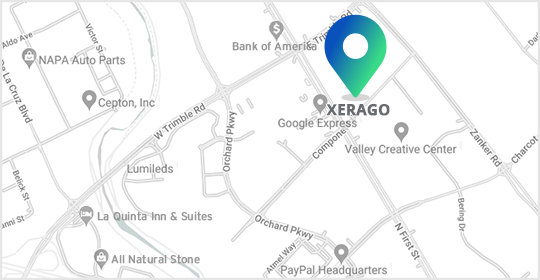
2570 N. First Street, Suite 200,
San Jose, CA 95131
Office No. 26, 10/F, Beverley Commercial Centre,
87-105 Chatham Road South, Tsim Sha Tsui, Kowloon,
Hong Kong

The Octagon Building, #11-07, 105, Cecil Street,
Singapore 069 534

#901, 9th Floor , Ellora Fiesta.
Plot No - 8 , Sector - 11 , Sanpada.
Opp. Juinagar Rly Station.
Navi Mumbai – 400 705

Xerago Towers, Plot 80 & 93,
Industrial Estate, Perungudi,
Chennai, Tamil Nadu - 600096




(Coming Soon)
2570 N. First Street, Suite 200,
San Jose, CA 95131
Office No. 26, 10/F, Beverley Commercial Centre,
87-105 Chatham Road South,
Tsim Sha Tsui, Kowloon,
Hong Kong
The Octagon Building, #11-07, 105, Cecil Street,
Singapore 069 534
#901, 9th Floor , Ellora Fiesta.
Plot No - 8 , Sector - 11 , Sanpada.
Opp. Juinagar Rly Station.
Navi Mumbai – 400 705
Xerago Towers, Plot 80 & 93,
Industrial Estate, Perungudi,
Chennai, Tamil Nadu - 600096
(Coming Soon)