



Phygital Marketing for Enhanced Customer Engagement: A Paradigm Shift in Loyalty
Published: October 20, 2023 | Updated: March 12, 2025
Introduction
Given the proliferation of mobile and web apps offering digital access to real-world products and services, we are not surprised the combining of the physical and the virtual as a distinct marketing channel turned into a transformative force. It is reshaping the contours of customer engagement.
A physical-digital, or phygital channel offers a digital product, service, or experience with tangible physical elements. Or vice versa. And transcends conventional boundaries of both realms. In our opinion, phygital is greater than the sum of its parts.
This Xerago’s Point of View navigates the various ways of strategically integrating phygital channels in every facet of the customer lifecycle, illustrating the manifold advantages and imperatives that underpin this evolution.
Prelude to Phygital Channels
The genesis of phygital channels lies in a prescient understanding of the developing consumer psyche. In businesses recognizing that customers increasingly traversing both physical and digital spheres need an immersive and holistic experience. Consequently, business have started using phygitals to great effect in all customer lifecycle stages.
I. Phygital in Acquisition Phase
A. Offering near-physical experiences.
In the acquisition phase, infusion of digital elements imparts a newfound dynamism of customer interaction in physical establishments. Especially where near-physical experience is necessary for your prospect to fully experience the product. These innovations transcend the conventional transactional paradigm, engendering a potent blend of information, entertainment, and commerce.
- Hospitals offer Diagnostic Kiosks where sick people register biometrics and get all preliminary investigations done, including height/weight, body temperature and other vitals. This way, the doctor is ready with all basic valuable information before meeting the patient.
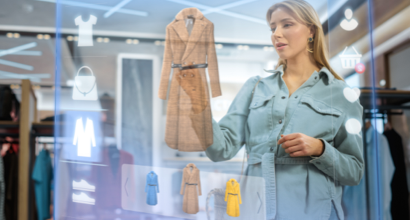
- Augmented Reality (AR) mirrors in retail apparel sites allow prospects to virtually try out clothing and accessories before committing to buy. This bridges the gap between online shopping and the tactile experience of trying garments in a physical store. When you couple this with a friendly return policy, prospects experience much more trust and comfort in making the purchase.
- Real estate firms deploy Virtual Reality (VR) tours of properties, allowing prospective buyers for immersive exploration of properties remotely. This experience augments traditional listings and significantly influences the purchasing decision of potential homeowners.
B. Personalized Virtual Assistance
Virtual Assistants complement and enrich the in-store experience. AI-driven chatbots, equipped with natural language processing capabilities, extend an omnipresent hand to offer a prospect visiting your store with personalized product recommendations, expert advice, and real-time assistance. This amalgamation of human touch with artificial intelligence cultivates an environment where prospects feel both attended to and empowered.
II. Onboarding Phase: A welcoming product experience
Employing phygital channels for customer onboarding optimizes accessibility, leading to an enhanced first experience of the product or service. It also leads to functional convenience, expediency, and heightened security. It cultivates trust, enhancing customer satisfaction, while simultaneously reducing your operational costs. Such an elevated onboarding experience, fosters enduring relationships with your new customers.
A. QR Code-enabled Onboarding in Banking:
If you are a financial institution, consider exploiting QR codes for swift and secure onboarding of new customers. This allows them the comfort of starting their journey digitally, and then seamlessly transition into the physical realm for personalized consultations.
B. Interactive Manuals in Electronics:
Manufacturers incorporate QR codes on product packaging, leading customers to product registration and warranty activation pages, and to interactive digital manuals. This ensures comprehensive understanding and a smoother transition into product usage.
III. Engagement Phase: Orchestrating Seamlessness
A. Continuity through Omni-Channel Engagement
The heart of the phygital narrative is in its ability to ensure unbroken continuity across channels. Your customer's journey from the physical realm to the digital sphere, and vice versa, ought to be marked by a seamless transition. You need synchronized data streams to achieve this, so that every interaction, irrespective of its origin, informs and enhances the overall customer experience.
Imagine your customer discovers a boutique online, and customizes a shirt with your phygital tools of AR and one-on-one video call with the in-store brand representative. When they visit the store, your VR mirrors show virtual outfits. In-store staff access their digital preferences, ensuring a seamless, personalized experience. They pay for it by scanning a QR code. Post-purchase, your mobile app offers styling tips and exclusive promotions. This is an example of how you can create seamless phygital journeys across channels.
B. Gamification for Enhanced Engagement
Gamification of experiences that invigorate customer engagement is valuable at many levels. You could incorporate elements of play, such as loyalty programs, interactive contests, and real-world bounty hunts with in-app cues to instill a sense of dynamism and gratification into the experience. This infusion of gamified mechanics bolsters customer retention and fuels brand advocacy.
As a sports company, your fitness app could turn workouts into a treasure hunt using augmented reality. Users explore real-world locations and unlock virtual rewards for completing challenges. Points earned are redeemed for discounts on sportswear or exclusive classes, merging physical activity with a digital gaming experience for an engaging, interactive fitness journey.
IV. Phygital Channels in the Retention Phase
A. Harnessing Data-Driven Insights
Phygital channels offer a fount customer data, illuminating preferences, behaviors, and patterns, far in excess than from just digital or physical channels. Your data analytics teams distill these insights into actionable strategies using advanced analytics and AI-driven algorithms. Tailored promotions, curated content, and anticipatory services are the upside of this data-driven approach, nurturing a sense of reciprocity and fidelity.
As a hospitality company, your properties could employ chatbots and virtual assistants to enhance guest experiences. These digital assistants personalize their interaction with the guest in their physical space and anticipate their needs and preferences. You complement traditional concierge services by using a digital interface for guests to make requests, book services, and receive tailored food and beverage recommendations.
B. Personalized Content Delivery
The retention phase hinges on the delivery of content that resonates deeply with individual customers. Phygital initiatives such as geo-targeted promotions, dynamic content adaptation, and context-aware messaging allows you to forge a powerful narrative that transcends the generic. Precise insights into consumers' real-time contexts allow for strategic content placement, heightening your brand resonance and driving conversions effectively.
As car manufacturers, integrate geo-location tools into vehicles and track their physical location in their digital app. You use the vehicle’s geo-location is used to filter personalized recommendations through the app about business centers, hotels, restaurants, workshops, gas stations, and even emergency services. This innovative use of technology seamlessly blends the digital and physical realms, revolutionizing the travel experience.
Conclusion
To integrate phygital channels across the entire spectrum of the customer lifecycle is no longer a luxury but your strategic imperative. It is testament to the developing nature of how your consumer engage. These innovative approaches allow you to transcend conventional boundaries and create truly immersive, dynamic, and personalized experiences for your clientele.
As technology continues to advance, the potential for further innovation in phygital integration remains boundless, promising an even more seamless and enriching customer journey.



Global Office Locations

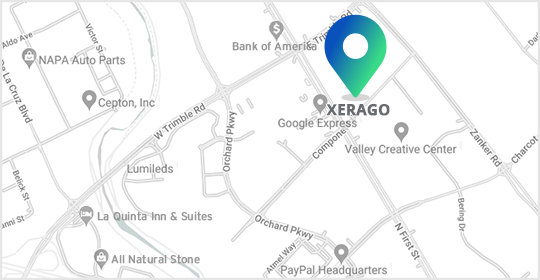
2570 N. First Street, Suite 200,
San Jose, CA 95131
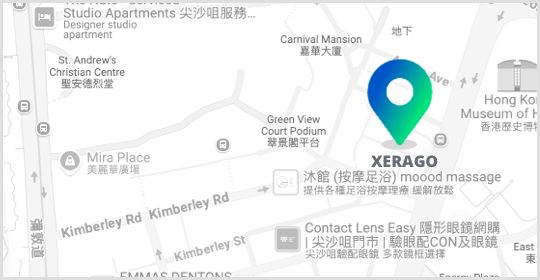
Office No. 26, 10/F, Beverley Commercial Centre,
87-105 Chatham Road South, Tsim Sha Tsui, Kowloon,
Hong Kong
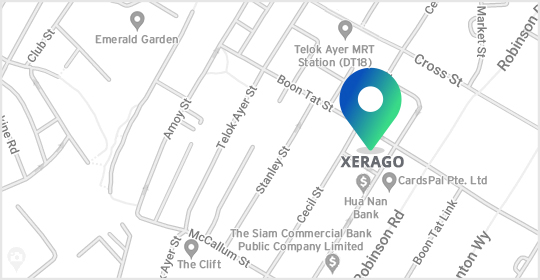
The Octagon Building, #11-07, 105, Cecil Street,
Singapore 069 534
#901, 9th Floor , Ellora Fiesta.
Plot No - 8 , Sector - 11 , Sanpada.
Opp. Juinagar Rly Station.
Navi Mumbai – 400 705

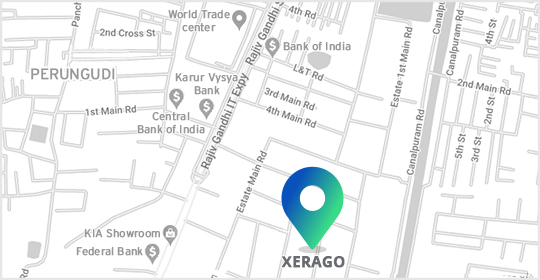
Xerago Towers, Plot 80 & 93,
Industrial Estate, Perungudi,
Chennai, Tamil Nadu - 600096

(Coming Soon)
2570 N. First Street, Suite 200,
San Jose, CA 95131
Office No. 26, 10/F, Beverley Commercial Centre,
87-105 Chatham Road South,
Tsim Sha Tsui, Kowloon,
Hong Kong
The Octagon Building, #11-07, 105, Cecil Street,
Singapore 069 534
#901, 9th Floor , Ellora Fiesta.
Plot No - 8 , Sector - 11 , Sanpada.
Opp. Juinagar Rly Station.
Navi Mumbai – 400 705
Xerago Towers, Plot 80 & 93,
Industrial Estate, Perungudi,
Chennai, Tamil Nadu - 600096
(Coming Soon)