




From Ordinary to Extraordinary: 5 Personalization Strategies for E-commerce Success
Published: September 27, 2023 | Updated: September 27, 2024
Introduction:
Ecommerce businesses are grappling with the challenge of not only capturing attention but also nurturing customer relationships that foster loyalty and repeat purchases. It's no longer sufficient for brands to offer a great product; customers demand relevance, engagement, and a personalized touch that resonates with their individual needs and aspirations.
At the heart of personalization lies a fundamental shift towards customer-centricity. It's about more about understanding their desires, predicting their preferences, and delivering tailored experiences that cater to their unique tastes. This shift not only drives higher conversions but also cultivates brand loyalty that stands strong amidst the ever-changing tides of consumer trends.
While many businesses are aware of personalization's potential, several strategies remain underutilized. In this article, we'll delve into the often overlooked yet incredibly potent five personalization strategies that hold the key to not just successful campaigns, but to creating meaningful connections with customers.
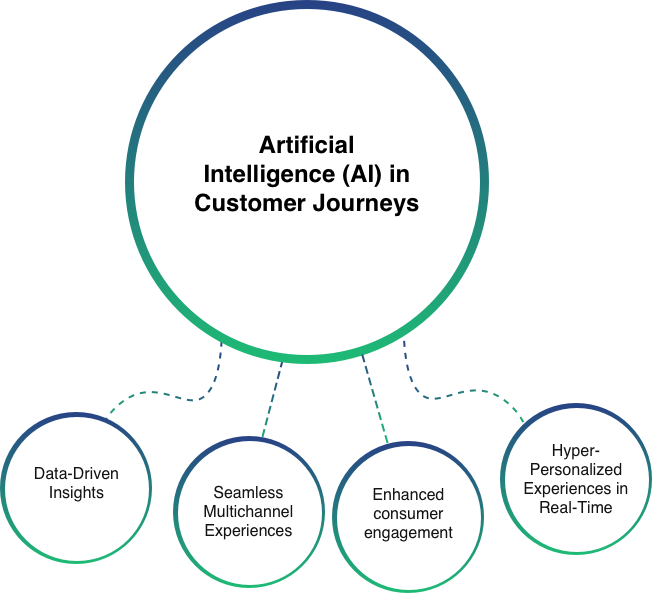
Strategy 1: Adaptive Content Recommendations
In the world of e-commerce, adaptive content recommendations emerge as a powerful strategy that transforms the user experience and drives conversions. This approach leverages real-time behavior analysis and limited-time offers to create a personalized and urgency-driven shopping journey.
Let's explore how these elements work together to create a compelling and effective e-commerce strategy:
Real-time behavior analysis involves employing advanced algorithms that actively scrutinize a user's ongoing interactions with your website. This encompasses a range of activities such as the products they view, the time they spend on various pages, and the specific search queries they initiate. This real-time data forms the foundation upon which the magic of adaptive content recommendations is built.
"Personalization isn't a luxury in e-commerce; it's a necessity. It's about aligning offerings with individual preferences and fostering connections that last beyond the transaction."
Integrating limited-time offers into the equation amplifies the effectiveness of adaptive content recommendations. These offers are crafted based on the user's browsing history and preferences, creating a customized sense of urgency. The combination of personalization and urgency triggers a psychological phenomenon known as the fear of missing out (FOMO), a potent motivator for prompt action.
This combined power can elevate the shopping experience to a new level. This strategy is a reflection of customer-centricity and agility in the digital realm. It captures the essence of what modern shoppers seek: tailored experiences that understand their needs and prompt them to make informed decisions efficiently.
By leveraging the power of real-time analysis and urgency-driven incentives, e-commerce platforms can cultivate a sense of satisfaction, engagement, and loyalty among their customers.
Strategy 2: Tailored Upsell and Cross-Sell Strategies
Utilising the potential of tailored upsell and cross-sell strategies is akin to unleashing an untapped goldmine of opportunities for ecommerce brands. The strategies, namely complementary product bundles, progressive upselling, and post-purchase cross-selling, centres around guiding customers toward higher-value purchases and play a pivotal role in driving revenue, enhancing customer satisfaction, and fostering long-term brand loyalty.
Complementary Bundles introduce customers to products they might not have thought of initially, enhancing convenience and value.
Progressive Upselling showcases higher-priced options as logical upgrades, backed by educational content that justifies the investment.
Post-Purchase Cross-Selling sustains the customer relationship, suggesting products that build upon their recent purchase.
The integration of these strategies is an orchestration of the customer journey.
Complementary product bundles anticipate needs before customers even realize them. Progressive upselling empowers customers with knowledge, enabling them to make informed choices that resonate with their preferences. Post-purchase cross-selling extends a hand beyond the transaction, acknowledging their evolving interests.
Together, these strategies embody customer-centricity. They reflect the brand’s dedication to understanding their customers and enhancing their journey, transforming them from mere shoppers to loyal advocates of the brand.
Strategy 3: Dynamic Exit-Intent Pop-ups
Dynamic exit-intent pop-ups emerge as a strategic lifeline in the world of e-commerce. This innovative approach intercepts users who are on the brink of leaving website and engages them with tailored offers, abandoned cart recovery incentives, and segmented messaging.
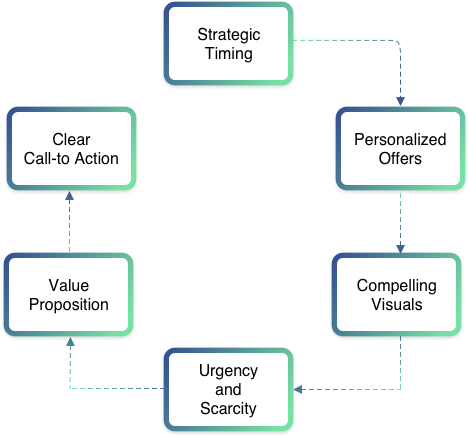
Tailored Offers
By triggering an exit-intent pop-up, ecommerce brands can present audiences with personalized discounts, exclusive content, or limited-time promotions. This proactive approach transforms potential exits into extended stays or even future returns.
The power of personalization shines here. If a user was exploring shoes, the exit-intent pop-up could present them with a special discount on exclusive shoes. This tailored value showcases brand’s commitment to understanding their interests, thereby piquing their curiosity to engage further.
Recovery of Abandoned Carts
Abandoned carts are a common challenge in e-commerce. Customizing exit-intent pop-ups to target users with items in their cart but poised to leave without completing the purchase is a game-changing strategy.
For instance, if a user has an earbuds in their cart but is hesitating, the pop-up could provide an additional discount or free shipping for completing the purchase. This gentle reminder showcases brand’s understanding of their users’ intent and incentivizes them to convert.
Segmented Messaging
Every customer is unique, and segmented messaging acknowledges this diversity. By segmenting your audience based on behaviour and preferences, brands can tailor exit-intent messages to specific groups.
This strategy enhances relevance, resonating more effectively with their needs and increasing the likelihood of engagement.
Strategy 4: Contextual Abandoned Cart Campaigns
This approach tackles the challenge of abandoned carts head-on by employing tailored tactics that speak directly to customers and their hesitations. With techniques such as product-specific reminders, multi-channel remarketing, and recovery incentives, these campaigns weave a narrative of opportunity and personalized value.
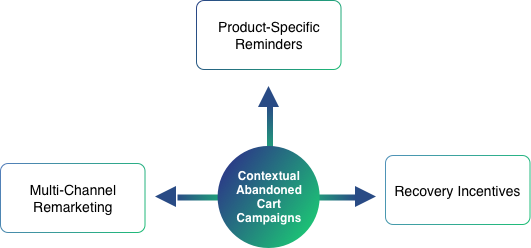
Product-Specific Reminders
Crafting abandoned cart emails that focus on the specific product left behind creates a deeply personalized touch. These emails go beyond mere reminders; they highlight the product's unique value proposition.
By incorporating persuasive product descriptions, customer reviews, and showcasing how the item fits into their lifestyle, brands can rekindle the desire that initially led to their interest.
Multi-Channel Remarketing
Abandoned cart campaigns don't have to be confined to emails. As multi-channel remarketing expands the reach of the campaign, brands must implement retargeting ads on various other platforms to display the exact products the customer left behind.
This strategic consistency reinforces the message, increasing the chances of re-engaging audiences.
Seeing the same products they were interested in across different channels reinforces its appeal. This cohesive approach reminds them of their initial intent, urging them to reconsider and complete the purchase.
Recovery Incentives
Offering recovery incentives injects urgency and value into abandoned cart reminders. These personalized incentives could range from exclusive discounts and free shipping to limited-time offers. By attaching these incentives to the items they left behind, brands can create a compelling reason for customers to take action.
For instance, a customer thinking about buying the microwave oven could receive an abandoned cart email with a time-sensitive offer for 15% off. This not only addresses their hesitations but also showcases brand’s commitment to meeting them halfway.
“With years of mastery, at Xerago, we transform insights into strategic campaigns that rekindle interest, revive carts, and foster lasting e-commerce connections."
Strategy 5: Retargeting With Precision
A strategy that often goes unnoticed but holds immense potential in this space is retargeting with precision. This approach revolves around re-engaging users who have previously interacted with your brand, ensuring your campaigns hit the mark.
Here's a closer look at why retargeting with precision is a pivotal for e-commerce success:
Resurrecting Lost Opportunities
Think about the visitors who explored your website, perhaps added items to their cart, but left without making a purchase. This is where retargeting shines.
By tracking these users and delivering precision-targeted ads, you're reigniting their interest. This strategy has the potential to turn abandoned carts into finalized transactions, recovering what seemed like lost opportunities.
Catering to Specific Interactions
Retargeting with precision doesn't stop at broad strokes. It zeros in on specific interactions users had with your brand.
For instance, if a user viewed a specific product category, you can retarget them with ads showcasing new arrivals in that very category. This tailored approach speaks directly to their preferences, increasing the likelihood of engagement.
Enhancing Brand Recall
The online world is saturated with information. Users might engage with your brand briefly and then get distracted.
Precision retargeting serves as a gentle reminder, reigniting their memory about your offerings and encouraging them to revisit your site. This enhanced brand recall can be the catalyst that transforms a casual visitor into a loyal customer.
Conclusion
The days of one-size-fits-all campaigns are making way for a new era where tailoring experiences is the cornerstone of success. The strategies we've unravelled – from adaptive content recommendations to dynamic exit-intent pop-ups, from tailored upsell and cross-sell approaches to retargeting with precision – all converge on a single objective: delivering meaningful, individualized journeys to customers.
As you set forth into the realm of e-commerce campaigns, armed with these personalized strategies, remember that success isn't just about numbers on a screen; it's about the stories you craft, the experiences you deliver, and the connections you nurture. In a world where customers have an array of choices, it's these personalized narratives that stand out, creating an echo that reverberates through the digital landscape and beyond.



Global Office Locations

2570 N. First Street, Suite 200,
San Jose, CA 95131
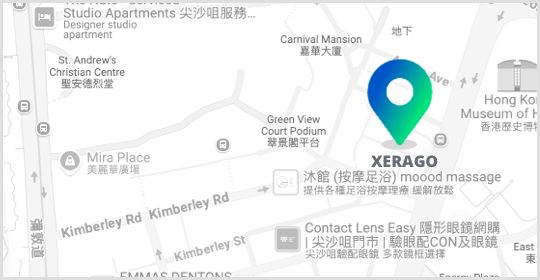
Office No. 26, 10/F, Beverley Commercial Centre,
87-105 Chatham Road South, Tsim Sha Tsui, Kowloon,
Hong Kong
The Octagon Building, #11-07, 105, Cecil Street,
Singapore 069 534

#901, 9th Floor , Ellora Fiesta.
Plot No - 8 , Sector - 11 , Sanpada.
Opp. Juinagar Rly Station.
Navi Mumbai – 400 705

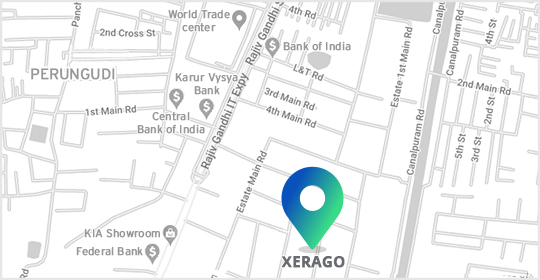
Xerago Towers, Plot 80 & 93,
Industrial Estate, Perungudi,
Chennai, Tamil Nadu - 600096


(Coming Soon)
2570 N. First Street, Suite 200,
San Jose, CA 95131
Office No. 26, 10/F, Beverley Commercial Centre,
87-105 Chatham Road South,
Tsim Sha Tsui, Kowloon,
Hong Kong
The Octagon Building, #11-07, 105, Cecil Street,
Singapore 069 534
#901, 9th Floor , Ellora Fiesta.
Plot No - 8 , Sector - 11 , Sanpada.
Opp. Juinagar Rly Station.
Navi Mumbai – 400 705
Xerago Towers, Plot 80 & 93,
Industrial Estate, Perungudi,
Chennai, Tamil Nadu - 600096
(Coming Soon)