




Nurturing Your Audience With Community Management
Published: October 24, 2023 | Updated: September 30, 2024
Social media is no longer just a platform for advertising or brand promotion. It is more of a dynamic space where conversations happen, relationships are built, and brand loyalty is nurtured. At the heart of this digital ecosystem lies the practice of community management, a discipline that holds immense importance for any company looking to thrive in the online world.
Community management involves not only responding to comments and inquiries but also proactively shaping the brand's presence, engaging with the audience, and fostering meaningful connections.
While the principles of community management apply across the board, this article is specifically tailored to mid-market and enterprise companies. In this article, we will delve deep into how community management can be a game-changer for your business and help you learn how to navigate the intricacies of nurturing your online community.
Managing Social Media Conversations
Importance of Timely Responses
Time is at the very root of this fast-paced world. It makes responding to your audience's queries, comments, and messages promptly crucial for any business so as to enhance their digital impact. Here are some major reasons why timely responses matter the most:
- Customer Expectations: Customers’ expectations for swift responses keep increasing in this age of instant communication. A delayed response can lead to frustration and a negative perception of your brand.
- Enhanced Engagement: Timely interactions boost engagement. When you respond promptly, users are more likely to continue the conversation, increasing the chances of fostering a deeper connection.
- Search Engine Ranking: Social media platforms reward active and engaged accounts. Timely responses can lead to better visibility and ranking on search results.
"Community management is the art of turning digital connections into real-world, lifelong relationships with your brand."
Active Listening and Engagement
Community management is not just about talking; it's equally about listening. Here's why active listening and engagement are vital:
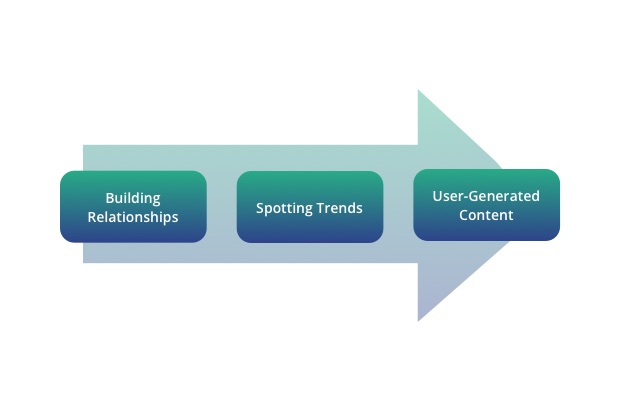
- Building Relationships: Engaging with your audience demonstrates that you value their opinions. This can lead to stronger, more loyal connections with your brand.
- Spotting Trends: Through active listening, you can identify emerging trends, discussions, and sentiment shifts in your industry or niche, allowing you to stay relevant and adapt your strategies accordingly.
- User-Generated Content: Engaged communities often generate user-generated content (UGC). Sharing and celebrating UGC can be a powerful way to reinforce a sense of community.
Strategies for Handling High Volume Conversations
As your community grows, so does the volume of conversations. Managing high volumes requires strategic planning:
- Prioritization: Identify critical conversations that need immediate attention and prioritize them. Use filters and tagging systems to categorize and organize incoming messages.
- Team Collaboration: Work with a team to distribute the workload and ensure that no message goes unaddressed. Collaboration tools and shared dashboards can streamline this process.
- Response Time Standards: Set clear response time standards for different types of interactions. Some may require near-instant replies, while others can be addressed within a few hours.
- Crisis Response Plan: Have a crisis response plan in place for situations that demand immediate action. This plan should include predefined steps and designated team members responsible for crisis management.
Balancing Automation and Personalization
Striking the right balance between automation and personalization is a crucial aspect of community management:
- Automation for Efficiency: Automation tools can help you manage routine tasks, such as welcome messages, thank-you notes, and basic inquiries. They are indispensable for handling high volumes of conversations efficiently.
- Personalization for Connection: While automation is convenient, it should never replace the human touch. Personalized responses that consider the specific context of a conversation are essential for building genuine connections and enhancing user experience.
- Review and Adjust: Regularly review automated responses to ensure they remain relevant and appropriate. Stay open to feedback from your community and be willing to adjust your strategies as needed.
In managing social media conversations, the key is to be responsive and engage actively. These practices lay the foundation for successful community management in the social media sphere.
Building a Proactive Social Media Presence
Social Media Calendar and Planning
Effective community management on social media necessitates a well-structured plan and calendar:
- Consistency: A social media calendar is indispensable to ensure a consistent posting schedule. Consistency fosters audience trust and paves the way for healthy community engagement.
- Strategic Timing: Understand when your audience is most active and plan your posts to reach them at the right times. Use scheduling tools to automate posting during peak engagement hours.
- Event Alignment: Align your social media content with events, holidays, and industry-specific occasions to stay relevant and connect with your audience.
Leveraging Trends and Current Events
Staying in touch with trends and current events is a valuable strategy for community management:
- Relevance: Connecting your brand to current trends and events demonstrates that you are aware of what's happening in the world. This can make your content more relatable and appealing.
- Virality Opportunities: Trend-related content has the potential to go viral and reach a wider audience. Capitalize on trending hashtags and topics when appropriate.
- Shareability: Trend-based content is more likely to be shared by your audience, extending your brand's reach organically.
- Caution and Sensitivity: While leveraging trends, exercise caution and sensitivity. Not all trends are suitable for every brand, and some may require a thoughtful, nuanced approach.
Building a proactive social media presence requires a strategic approach to content creation, planning and trend awareness. These elements combined will help you not only engage with your audience but also become an influential voice in your industry.
Canned Responses for Efficiency
Although canned responses provides immense benefits from saving time to reducing the risk of human errors and scalability, they can sometimes feel impersonal if not customized appropriately and has the risk of overusing.
To make the most of canned responses, consider the following steps for creating and maintaining response templates:
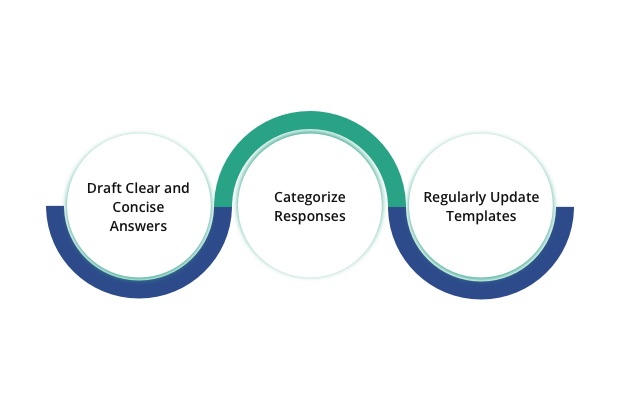
- Draft Clear and Concise Answers: Craft clear and concise responses to these queries. Make sure the language is consistent with your brand voice and messaging.
- Categorize Responses: Categorize your canned responses for different types of inquiries, such as product questions, technical support, or general inquiries.
- Regularly Update Templates: Keep your response templates up to date. As your products, services, or industry evolve, your responses should reflect these changes.
Personalizing Canned Responses for a Human Touch
The key to using canned responses effectively is personalization. Here's how to add a human touch to your canned responses:
- Merge Fields: Use merge fields to automatically insert the recipient's name or other personalized information into your responses.
- Tailor Responses to Context: Even within standardized responses, take the time to tailor your answers to the specific context of the conversation. Reference previous interactions, if applicable.
- Express Empathy: Show empathy and understanding in your responses, particularly when addressing customer issues or concerns. Acknowledge their feelings and offer genuine support.
- Encourage Further Engagement: Include calls to action that invite users to continue the conversation or explore your content, products, or services.
- Maintain a Conversational Tone: Keep your language conversational and friendly. Avoid sounding robotic or overly formal.
In simple words, if managed strategically, canned responses will be a powerful tool for efficiency in community management for brands.
Addressing Negative Reviews and Gaslighting
Addressing negative feedback on social media is critical for maintaining a positive brand image and building trust with your audience. Negative feedback often contains valuable insights that can lead to product or service improvements, making it an invaluable source of feedback for your organization.
Strategies for Defusing Tense Situations
Tense situations on social media can escalate quickly if not handled properly. Here are strategies for defusing such scenarios:
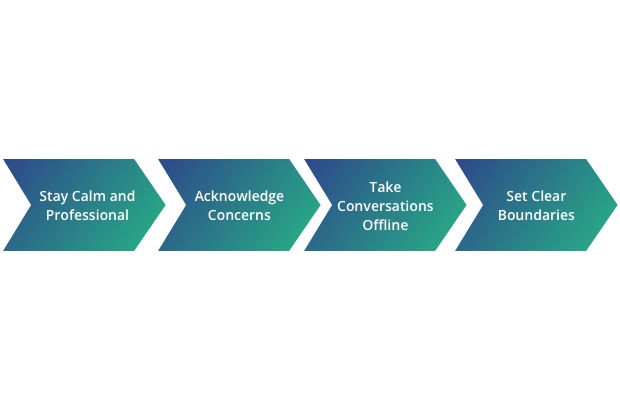
- Stay Calm and Professional: Respond to criticism in a calm and professional manner, refraining from engaging in emotional or aggressive exchanges.
- Acknowledge Concerns: Show empathy and acknowledge the concerns raised by the individual, even if you disagree with them.
- Take Conversations Offline: When necessary, offer to take the conversation offline, either through direct messages or email, to address the issue privately.
- Set Clear Boundaries: If the situation involves offensive language, harassment, or inappropriate behavior, establish and enforce community guidelines to maintain a respectful atmosphere.
Constructive Responses to Gaslighting and Trolls
Gaslighting and trolling can be challenging to manage, but responding constructively is vital:
- Stay Focused on Facts: Avoid personal attacks and emotional responses. Stick to the facts and address any false claims with evidence or accurate information.
- Use Humor and Wit: In some cases, humor or clever responses can disarm trolls and deflect their negativity.
- Moderate Comments: Consider moderating comments and blocking or reporting users who engage in harassment or trolling.
- Empower Community Advocates: Encourage your community advocates and loyal followers to help counter trolling by reporting inappropriate behavior and providing support.
Addressing negative feedback and dealing with tense situations on social media requires a balanced approach of empathy, professionalism, and a commitment to continuous improvement. When handled effectively, negative feedback can not only protect your brand's reputation but also drive positive change within your organization.
To conclude,
Community management is all about building relationships, fostering trust, and turning casual followers into loyal brand advocates, not just a support function for organisations. Your community managers have the power to turn negative experiences into positive ones, to spark meaningful conversations, and to guide your audience towards a deeper understanding of your brand's values and mission.
Social media is a constantly evolving landscape; algorithms change, new platforms emerge, user behaviour shifts, and what worked yesterday may not work tomorrow. But a well-managed community is the lifesaver that has the capability, in all ways, to be a powerful driver of growth, reputation, and brand loyalty for your company.



Global Office Locations

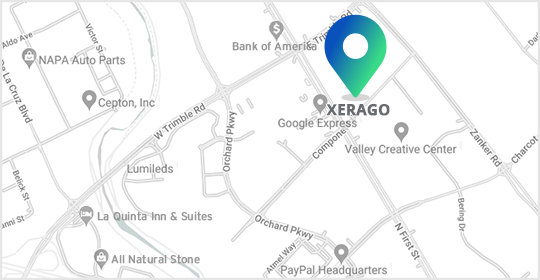
2570 N. First Street, Suite 200,
San Jose, CA 95131
Office No. 26, 10/F, Beverley Commercial Centre,
87-105 Chatham Road South, Tsim Sha Tsui, Kowloon,
Hong Kong

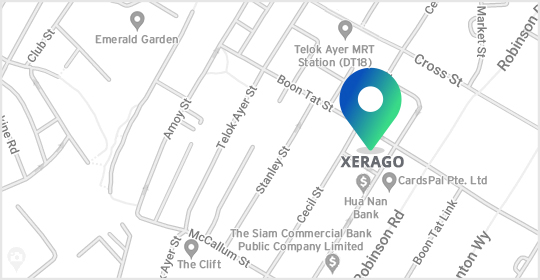
The Octagon Building, #11-07, 105, Cecil Street,
Singapore 069 534
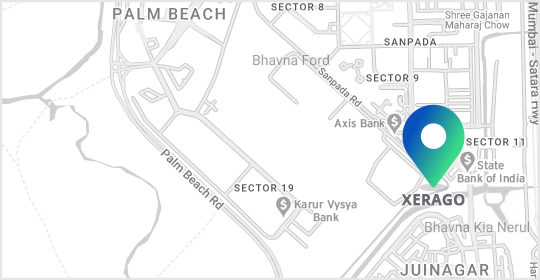
#901, 9th Floor , Ellora Fiesta.
Plot No - 8 , Sector - 11 , Sanpada.
Opp. Juinagar Rly Station.
Navi Mumbai – 400 705
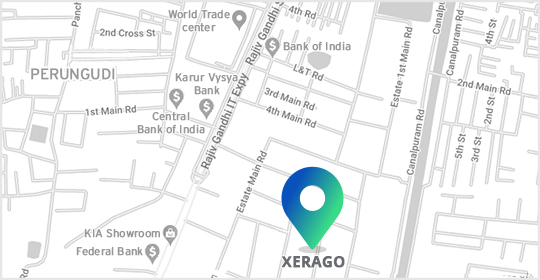
Xerago Towers, Plot 80 & 93,
Industrial Estate, Perungudi,
Chennai, Tamil Nadu - 600096




(Coming Soon)
2570 N. First Street, Suite 200,
San Jose, CA 95131
Office No. 26, 10/F, Beverley Commercial Centre,
87-105 Chatham Road South,
Tsim Sha Tsui, Kowloon,
Hong Kong
The Octagon Building, #11-07, 105, Cecil Street,
Singapore 069 534
#901, 9th Floor , Ellora Fiesta.
Plot No - 8 , Sector - 11 , Sanpada.
Opp. Juinagar Rly Station.
Navi Mumbai – 400 705
Xerago Towers, Plot 80 & 93,
Industrial Estate, Perungudi,
Chennai, Tamil Nadu - 600096
(Coming Soon)