




Forging Lasting Bonds: how Customer Engagement Drives Retail Loyalty
Published: September 27, 2023 | Updated: July 08, 2024
In today's fiercely competitive retail landscape, cultivating customer loyalty has become a strategic imperative. Building customer loyalty goes beyond transactional relationships; it hinges on creating emotional bonds through meaningful interactions.
We believe that innovative marketing campaigns can be orchestrated not only to drive sales but to foster deep and enduring customer engagement which leads to customer loyalty.
Personalized Experience Campaigns:
Personalized experience campaigns leverage customer data and insights to deliver content, products, or services that cater specifically to each customer's preferences, behaviors, and needs. Personalized experience campaigns rely on customer data, such as purchase history, browsing behavior, demographic information, and interaction patterns which is used to create a comprehensive profile of each customer and understand their preferences.
Customers are segmented based on shared characteristics or behaviors. Campaign content, messages, product recommendations, and offers are personalized for each customer segment. These campaigns use dynamic content that can be adjusted in real-time based on customer interactions or external factors.
Recommending products based on a customer's previous purchases or browsing behavior is a common element of personalized experience campaigns. These recommendations aim to guide customers toward products they are likely to be interested in. They often include special offers, discounts, or promotions that are targeted specifically to each customer segment. This adds a sense of exclusivity and encourages conversions.
Personalized campaigns can be triggered by specific customer behaviors or actions, such as cart abandonment, recent purchases, or subscription renewals. These triggers prompt timely and relevant communications.
Some examples of Personalized Experience Campaigns:
- Customized emails with product recommendations based on a customer's previous purchases or browsing history.
- Tailored product suggestions on retail websites based on a customer's interests and behavior.
- Location-specific offers or promotions sent to customers based on their geographical location.
- Personalized messages and offers sent to customers on their birthdays or the anniversary of their first purchase.
- Rewards and discounts offered based on a customer's loyalty program status and past interactions.
- Display ads for products that customers have previously shown interest in while browsing their website.
In essence, personalized experience campaigns aim to create a one-to-one connection between the brand and the customer, enhancing the customer's journey, increasing engagement, and driving loyalty through a tailored and meaningful interaction.
Interactive Content Campaigns:
Interactive content campaigns are marketing strategies that involve engaging and dynamic content designed to actively involve the audience, encourage participation, and create a two-way interaction between the brand and the customer. These campaigns encourage users to interact, respond, and engage with the brand's messaging or offerings and are particularly effective at capturing attention, fostering engagement, and driving valuable interactions with the target audience.
The content is designed to spark curiosity, intrigue, and active involvement. Interactive content encourages users to take actions, such as clicking, dragging, swiping, answering questions, or making choices. This interaction creates a sense of involvement and investment in the content.
Interactive content campaigns can be valuable for collecting user data and insights. Brands can gather information about user preferences, behaviors, and opinions through interactions. Some interactive campaigns incorporate elements of gamification, such as quizzes, challenges, rewards, and leaderboards, making the experience enjoyable and competitive.
Some Examples of Interactive Content Campaigns:
- Quizzes and Polls
- Interactive infographics where users can click on different elements to reveal more information.
- Interactive Videos where viewers can interact with elements within the video, affecting the storyline or outcome.
- Virtual Try-On Experiences for fashion or beauty brands, using augmented reality technology.
- Interactive versions of eBooks or whitepapers that include clickable elements, animations, and multimedia content.
- Augmented Reality providing immersive experiences, such as trying on virtual products or placing virtual items in real-life environments.
- Interactive Webinars or Workshops
- Interactive Calculators or Tools like budget calculators or product recommendation tools.
Interactive content campaigns offer a fresh and engaging way for brands to connect with their audience, foster interaction, and deliver memorable experiences that leave a lasting impact. By encouraging participation and providing value through these interactive experiences, brands can build stronger relationships, increase brand awareness, and drive desired actions from their target audience.
Cause-Related Engagement Campaigns:
Cause-related engagement campaigns, also known as cause marketing or cause-related marketing campaigns, are initiatives undertaken by brands to align themselves with social or environmental causes in order to engage their audience, create positive social impact, and foster a sense of shared values. These campaigns aim to inspire customers to make a purchase or take action that contributes to the cause. Cause-related engagement campaigns are aimed at both driving business objectives and making a difference in the community or the world at large.
Cause-related campaigns involve a deliberate alignment between a brand and a specific social, environmental, or philanthropic cause that resonates with the brand's values and target audience. These campaigns connect with consumers who share the same values or concerns as the cause. This alignment often leads to stronger emotional connections and increased brand loyalty.
Cause-related campaigns are seamlessly integrated into the brand's marketing strategy and messaging. They can be standalone initiatives or integrated into product launches, promotions, or events.
Some Examples of Cause-Related Engagement Campaigns:
- Donation of a portion of sales or a specific product to a charitable organization or cause for each purchase made during the campaign period.
- Campaigns that raise awareness about social issues, encouraging conversations and educating the public.
- For every product purchased, a brand donates an equivalent item to a person in need or to a specific cause.
- Collaborations with well-known charities or celebrities to create co-branded products or limited editions, with a portion of the proceeds going to the cause.
- Volunteer Initiatives where employees and customers participate in activities related to the cause.
- Promoting eco-friendly practices and initiatives, such as reducing plastic use or planting trees, to support environmental causes.
Cause-related engagement campaigns not only help brands connect with socially conscious consumers but also contribute to the greater good. By aligning with causes that matter to their audience, brands can create a deeper emotional connection, build trust, and drive engagement while making a meaningful impact on important social and environmental issues.
In a world where customer choices are abundant, creating loyalty requires a strategic approach that goes beyond conventional tactics. By embracing campaigns that prioritize engagement, retailers can build emotional connections, inspire brand advocacy, and foster lasting loyalty. Through personalized experiences, interactive content, storytelling, and a commitment to customer-centricity, retailers can forge unbreakable bonds that transcend transactions, transforming loyal customers into brand advocates and champions.



Global Office Locations

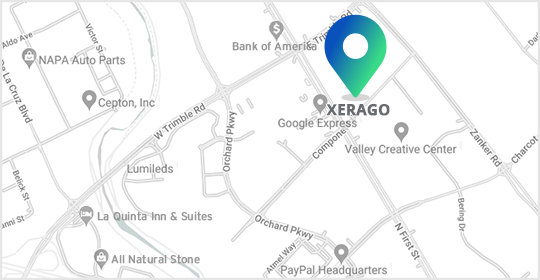
2570 N. First Street, Suite 200,
San Jose, CA 95131
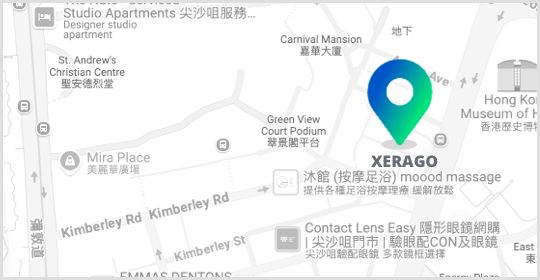
Office No. 26, 10/F, Beverley Commercial Centre,
87-105 Chatham Road South, Tsim Sha Tsui, Kowloon,
Hong Kong
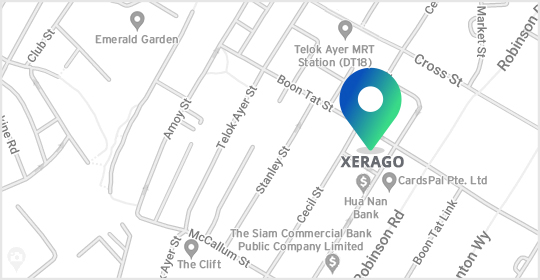
The Octagon Building, #11-07, 105, Cecil Street,
Singapore 069 534
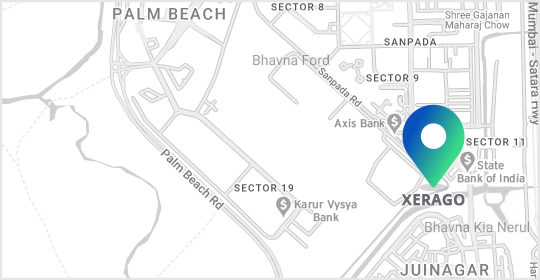
#901, 9th Floor , Ellora Fiesta.
Plot No - 8 , Sector - 11 , Sanpada.
Opp. Juinagar Rly Station.
Navi Mumbai – 400 705
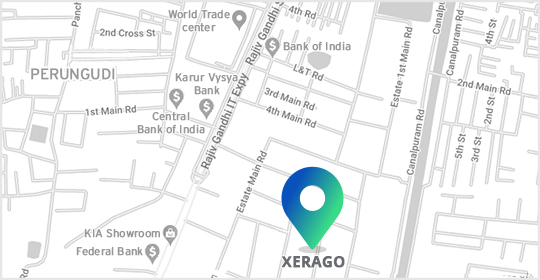
Xerago Towers, Plot 80 & 93,
Industrial Estate, Perungudi,
Chennai, Tamil Nadu - 600096


(Coming Soon)
2570 N. First Street, Suite 200,
San Jose, CA 95131
Office No. 26, 10/F, Beverley Commercial Centre,
87-105 Chatham Road South,
Tsim Sha Tsui, Kowloon,
Hong Kong
The Octagon Building, #11-07, 105, Cecil Street,
Singapore 069 534
#901, 9th Floor , Ellora Fiesta.
Plot No - 8 , Sector - 11 , Sanpada.
Opp. Juinagar Rly Station.
Navi Mumbai – 400 705
Xerago Towers, Plot 80 & 93,
Industrial Estate, Perungudi,
Chennai, Tamil Nadu - 600096
(Coming Soon)