




The Digital Product Revolution: Trends, Challenges, and Opportunities
Published: February 02, 2024 | Updated: September 30, 2024
Introduction
The integration of Internet of Things (IoT), Metaverse, Artificial Intelligence (AI), and Cloud computing is ushering in a new era of digital transformation across industries. This convergence is reshaping business models, enhancing efficiency, and introducing innovative products and services. It allows industries to leverage data, automation, and immersive experiences to develop and deliver innovative digital goods and services. Whether it's personalized healthcare solutions, virtual events, smart cities, or AI-driven financial services, the convergence of these technologies is reshaping how businesses operate and interact with consumers in the digital landscape.
Trends seen as Cloud, AI, metaverse and IoT Converge
The convergence of cloud computing, artificial intelligence (AI), the metaverse, and the Internet of Things (IoT) is shaping the digital landscape and influencing trends across various industries. Here's a look at how this convergence is contributing to emerging trends:
- Personalized Customer Experiences: AI algorithms analyze vast amounts of customer data from IoT devices, enabling highly personalized marketing content and recommendations. Virtual experiences within the metaverse allow for personalized and immersive customer interactions, creating unique and memorable brand experiences.
- Data-Driven Decision-Making: Marketers leverage data from IoT devices to gain real-time insights into customer behavior and preferences. Cloud platforms enable robust data analytics, providing marketers with actionable insights to inform strategic decisions.
- Automation and AI-Driven Campaigns: Cloud-based marketing automation platforms, powered by AI, streamline campaign management, from lead nurturing to customer retention. AI-generated content enhances efficiency in creating personalized and targeted marketing materials.
- Multi-Channel Integration: Integration with metaverse platforms introduces new channels for marketing engagement, such as virtual events and immersive brand experiences. Cloud-based solutions facilitate seamless integration across various marketing channels, ensuring consistent messaging and branding.
- Real-Time Engagement: IoT devices enable real-time communication and engagement with customers based on their immediate context. Marketers leverage metaverse environments for real-time interactions, virtual product launches, and interactive brand experiences.
- Enhanced Customer Journey Mapping: AI algorithms analyze customer journeys across multiple touchpoints, providing insights for optimizing marketing strategies. Integration with the metaverse adds new touchpoints to customer journeys, requiring a holistic approach to journey mapping.
- Augmented Reality (AR) and Virtual Try-Ons: Virtual try-ons and AR experiences within the metaverse enhance the online shopping journey. Cloud computing supports the processing power required for seamless AR and VR experiences in marketing campaigns.
- Voice and Conversational Marketing: AI-driven voice assistants, often cloud-based, play a significant role in conversational marketing strategies. Voice-activated IoT devices contribute to the rise of voice search and interactive marketing experiences.
- Edge Computing: The integration of IoT and cloud computing has led to the rise of edge computing. Edge computing involves processing data closer to the source (at the edge of the network), reducing latency and enhancing real-time processing capabilities for IoT devices.
- Digital Twins: The combination of IoT and AI has given rise to digital twins, virtual representations of physical objects or systems. This technology is used for simulation, monitoring, and analysis, allowing businesses to optimize performance and predict maintenance needs.
- Metaverse Expansion: The metaverse, a collective virtual shared space, is expanding beyond gaming into various industries. This includes virtual offices, education, events, and commerce. Cloud infrastructure supports the development and hosting of metaverse experiences.
- AI-Powered Automation: The convergence of AI with cloud computing is driving increased automation across industries. Businesses are adopting AI-powered tools and platforms hosted on the cloud to automate repetitive tasks, improve efficiency, and enable more sophisticated decision-making processes.
- Decentralized Cloud and Blockchain Integration: The convergence of cloud computing with blockchain technology is leading to the development of decentralized cloud platforms. This trend emphasizes security, transparency, and data integrity, particularly relevant for industries dealing with sensitive information.
- Immersive E-Commerce in the Metaverse: The metaverse is influencing e-commerce trends, providing opportunities for immersive shopping experiences. Virtual stores and digital product showcases within the metaverse are becoming a new way for businesses to engage with customers.
- AI-Generated Content in the Metaverse: AI is being used to generate content within the metaverse, including virtual environments, characters, and even automated interactions. This trend is creating new possibilities for dynamic and personalized virtual experiences.
- 5G and IoT Connectivity: The rollout of 5G networks is enhancing connectivity for IoT devices, enabling faster data transmission and lower latency. This trend is crucial for applications that require real-time data, such as autonomous vehicles and smart city infrastructure.
The ongoing convergence of these technologies is a dynamic force, continually influencing and shaping trends across industries. As businesses and technology continue to evolve, the interplay between cloud computing, AI, the metaverse, and IoT will likely lead to even more transformative developments and innovations.
Opportunities for the use of IoT, Cloud, Metaverse and AI
The integration of Internet of Things (IoT), Cloud computing, Metaverse, and Artificial Intelligence (AI) creates a myriad of opportunities across various industries. Here are some key opportunities for the use of these technologies:
Automotive:
- IoT-Connected Vehicles: Utilizing IoT data from connected cars to offer personalized in-car experiences and targeted promotions.
- Cloud-Based Fleet Management: Cloud solutions for managing and optimizing automotive fleets.
- Metaverse Showrooms: Virtual showrooms in the metaverse for exploring and customizing vehicles.
- AI-Powered Predictive Maintenance Campaigns: AI predicting maintenance needs and automating targeted marketing campaigns.
Hospitality and Tourism:
- IoT-Enabled Guest Experiences: Using IoT devices for personalized guest services in hotels and resorts.
- Cloud-Based Booking Platforms: Cloud solutions for scalable and secure booking systems.
- Metaverse Travel Experiences: Virtual travel experiences within the metaverse for marketing destinations.
- AI-Driven Customer Loyalty Programs: AI algorithms analyzing customer behavior to optimize loyalty programs.
Real Estate:
- IoT in Smart Buildings: IoT devices for energy optimization, security, and maintenance in smart buildings.
- Cloud-Based Property Management: Cloud platforms for efficient property management.
- Metaverse Virtual Property Tours: Virtual property tours within the metaverse for real estate marketing.
- AI-Driven Property Valuation: AI algorithms for accurate property valuation and predictive analytics.
Smart Cities:
- IoT: Implementing IoT sensors for smart traffic management, waste management, energy-efficient street lighting, and environmental monitoring.
- Cloud: Centralized cloud platforms for data storage, analytics, and decision-making to optimize city operations.
- Metaverse: Virtual city planning and simulations for urban development and citizen engagement.
- AI: Predictive analytics for resource optimization, emergency response systems, and intelligent city services.
Healthcare:
- IoT: Remote patient monitoring, wearable health devices, and smart medical equipment.
- Cloud: Secure storage of electronic health records (EHRs), collaborative healthcare platforms, and data analytics for personalized medicine. Secure cloud platforms for managing and analyzing patient data.
- Metaverse: Virtual healthcare consultations, medical training simulations, and patient education in immersive environments.
- AI: Diagnostics, drug discovery, predictive analytics for disease prevention, and personalized treatment plans. Leveraging AI for targeted healthcare campaigns based on patient profiles.
Manufacturing and Industry 4.0:
- IoT for Predictive Maintenance: IoT sensors in manufacturing equipment for predictive maintenance.
- Cloud-Based Manufacturing Platforms: Cloud solutions supporting collaborative design and production.
- Metaverse Virtual Prototyping: Virtual prototyping and simulations within the metaverse.
- AI-Driven Quality Control: AI algorithms for quality control and process optimization.
Retail and E-Commerce:
- IoT: IoT-enabled beacons and sensors in stores provide real-time customer data for personalized shopping experiences. Smart shelves, inventory tracking, and customer behavior analytics are other opportunities.
- Cloud: Scalable e-commerce platforms, customer data analytics, and personalized shopping experiences support seamless online shopping.
- Metaverse: Virtual storefronts, augmented reality try-ons, and immersive shopping experiences.
- AI: Recommendation engines, demand forecasting, and chatbots for customer support, the use of AI algorithms to analyze customer preferences and provide personalized product recommendations.
Education:
- IoT in Smart Classrooms: IoT devices supporting interactive and connected classrooms.
- Cloud-Based Learning Platforms: Cloud solutions for scalable and accessible learning management systems.
- Metaverse Virtual Classrooms: Virtual classrooms within the metaverse for immersive learning experiences.
- AI-Powered Educational Tools: AI-driven tools for personalized learning paths and assessments.
Entertainment and Gaming:
- IoT: Connected gaming devices and accessories, gamified IoT experiences.
- Cloud: Cloud gaming platforms, content streaming, and online multiplayer services. Cloud solutions for scalable and accessible gaming services.
- Metaverse: Immersive gaming environments, virtual events, and social interactions.
- AI: In-game AI opponents, dynamic storytelling, and personalized gaming experiences. AI-driven content creation for personalized gaming experiences.
Financial Services:
- IoT for Fraud Detection: IoT data contributing to real-time fraud detection in financial transactions.
- Cloud-Based Fintech Platforms: Scalable cloud platforms for secure and efficient financial services.
- Metaverse Financial Consultations: Virtual financial consultations within the metaverse.
- AI-Enhanced Personal Finance Apps: AI-driven robo-advisors and personalized financial planning applications.
Telecommunications:
- IoT: IoT connectivity solutions, smart devices, and network optimization.
- Cloud: Cloud-based telecommunications platforms, virtual networks, and data storage. Scalable cloud infrastructure for telecommunications services.
- Metaverse: Virtual communication experiences, augmented reality in telecommunications services.
- AI: Network optimization, predictive maintenance, and intelligent customer support.
These opportunities demonstrate the transformative potential of integrating IoT, Cloud, Metaverse, and AI across various sectors, fostering innovation, efficiency, and enhanced user experiences. Businesses and industries that embrace these technologies stand to gain a competitive edge and contribute to the ongoing digital evolution.
Challenges when integrating IoT, Cloud, Metaverse and AI
While the integration of Internet of Things (IoT), Cloud computing, Metaverse, and Artificial Intelligence (AI) brings about significant benefits, it also presents various challenges that organizations need to navigate.
Interoperability Issues:
- IoT Devices Compatibility: Different IoT devices may use diverse communication protocols, leading to challenges in ensuring interoperability.
- Cloud Platform Integration: Ensuring seamless integration between various cloud services and platforms used for engineering marketing automation.
Data Security and Privacy Concerns:
- IoT Data Security: The vast amount of data generated by IoT devices poses security risks, and securing communication between devices is critical.
- Cloud Data Protection: Protecting sensitive engineering data stored in the cloud from unauthorized access and data breaches.
- Metaverse Privacy: Ensuring the privacy and security of user data within metaverse experiences.
Scalability and Performance:
- IoT Device Scalability: Scaling IoT infrastructure to handle a growing number of connected devices and the associated data.
- Cloud Scalability: Ensuring that cloud infrastructure can scale to accommodate increased data volumes and user demands.
- Metaverse Performance: Addressing performance issues in metaverse experiences, especially as user interactions and data complexity increase.
Integration Complexity:
- AI Integration Challenges: Integrating AI algorithms seamlessly into engineering marketing automation processes can be complex.
- Metaverse Integration: Integrating metaverse experiences into existing marketing automation workflows may pose integration challenges.
Data Quality and Reliability:
- IoT Data Accuracy: Ensuring the accuracy and reliability of data collected from IoT devices is crucial for making informed decisions.
- Cloud Data Integrity: Maintaining data quality and integrity when transferring and storing data in the cloud.
- Metaverse Data Consistency: Ensuring consistency and reliability of data collected from interactions within the metaverse.
Skill Gaps and Training:
- IoT Expertise: The need for specialized skills to manage and maintain IoT devices and infrastructure.
- AI Skills: Shortage of skilled professionals with expertise in AI, machine learning, and data science.
- Metaverse Development: Limited expertise in developing and managing metaverse experiences within engineering marketing teams.
Regulatory Compliance:
- IoT Data Regulations: Adhering to regulations regarding the collection, storage, and usage of data from IoT devices.
- Cloud Compliance: Ensuring compliance with data protection regulations and industry-specific standards for cloud services.
- Metaverse Regulatory Considerations: Navigating evolving regulations related to user data and interactions within the metaverse.
Cost Management:
- IoT Infrastructure Costs: The cost associated with deploying and maintaining IoT devices can be substantial.
- Cloud Service Expenses: Managing costs related to cloud service subscriptions, data storage, and processing.
- Metaverse Development Costs: Initial costs and ongoing expenses associated with developing and maintaining metaverse experiences.
User Adoption and Experience:
- IoT Device Adoption: Encouraging users to adopt and utilize IoT devices in engineering processes.
- Metaverse User Engagement: Ensuring positive user experiences and engagement within metaverse environments.
Ways to mitigate challenges and capitalize on a first-mover advantage
Successfully navigating these challenges requires a strategic, pro-active and comprehensive approach, including robust cyber security measures, thoughtful data governance policies, ongoing investment in skill development, and a commitment to addressing ethical considerations. As technologies continue to evolve, we believe that organizations must remain agile in adapting to emerging challenges and opportunities in the dynamic landscape of IoT, Cloud, Metaverse, and AI integration.
1. Interoperability Challenges:
- Standardization: Advocate for and adopt industry standards to ensure interoperability between different automation systems and devices.
- Open APIs: Emphasize the use of open APIs to facilitate seamless integration between various components.
- Pilot Projects: Conduct small-scale pilot projects to test interoperability before full-scale implementation.
2. Data Security and Privacy:
- End-to-End Encryption: Implement robust encryption mechanisms for data in transit and at rest.
- Access Controls: Enforce strict access controls to ensure that only authorized personnel can access sensitive automation data.
- Regular Security Audits: Conduct regular security audits to identify and address vulnerabilities.
3. Scalability and Performance:
- Cloud Solutions: Utilize scalable cloud solutions to accommodate increased data volumes and computational demands.
- Edge Computing: Explore the use of edge computing to process data closer to the source, reducing latency and improving scalability.
- Performance Monitoring: Implement robust performance monitoring tools to identify and address scalability issues proactively.
4. Integration Complexity:
- Consult with Experts: Engage with automation experts and consultants to streamline complex integration processes.
- Vendor Collaboration: Collaborate closely with automation solution providers to ensure smooth integrations.
- Training Programs: Invest in training programs for your team to build expertise in emerging automation technologies.
5. Data Quality and Reliability:
- Data Governance Framework: Establish a comprehensive data governance framework to maintain data quality and reliability.
- Real-Time Monitoring: Implement real-time monitoring to identify and rectify data quality issues promptly.
- Regular Data Audits: Conduct regular audits of automation data sources and storage.
6. Skill Gaps and Training:
- Skill Development Programs: Invest in ongoing training programs to bridge skill gaps in automation technologies.
- Cross-Functional Teams: Foster collaboration between automation engineers, data scientists, and IT specialists.
- Strategic Hiring: Hire professionals with expertise in emerging automation technologies.
7. Regulatory Compliance:
- Dedicated Compliance Teams: Establish dedicated teams to monitor and ensure compliance with industry regulations and standards.
- Regular Compliance Audits: Conduct regular audits to ensure adherence to regulatory requirements.
- Legal Consultation: Seek legal advice to navigate complex regulatory landscapes.
8. Cost Management:
- Cost-Benefit Analysis: Conduct regular cost-benefit analyses to optimize the use of automation technologies.
- Strategic Investments: Make informed and strategic investments in technologies that offer long-term benefits.
- Cloud Cost Optimization: Regularly review and optimize costs associated with cloud-based automation solutions.
9. User Adoption and Experience:
- User Training Programs: Implement comprehensive training programs to ensure effective user adoption.
- User Feedback Mechanisms: Establish channels for continuous feedback from users to enhance the user experience.
- Change Management Strategies: Implement change management strategies to ease the transition for users.
10. Continuous Innovation:
- Ongoing Research and Development: Dedicate resources to continuous research and development initiatives to stay at the forefront of technological advancements.
- Adaptive Strategies: Embrace an adaptive mindset, where the organization is always prepared to evolve and innovate in response to changing industry landscapes.
- Innovation Encouragement: Foster a corporate culture that encourages and rewards innovative thinking among employees.
- Early Adoption: Be proactive in identifying and adopting emerging technologies relevant to automation engineering.
- Tech Scouting: Regularly scout for cutting-edge technologies and assess their potential application in the organization's automation initiatives.
- Technology Ecosystem Engagement: Engage with the broader technology ecosystem to stay informed about industry trends and potential innovations.
Marketing and Branding:
Thought Leadership Positioning: Contribute to industry publications, whitepapers, and thought leadership pieces to establish the organization as an authority in automation engineering. Actively participate in conferences, webinars, and seminars to share insights and showcase expertise.
Effective Communication Strategies: Articulate a clear and compelling value proposition that communicates the unique advantages of the organization's automation solutions.
Storytelling: Utilize storytelling techniques to convey the journey, successes, and innovations within the organization, creating a narrative that resonates with stakeholders.
Case Studies: Develop and showcase case studies that highlight successful automation engineering projects, emphasizing positive outcomes and client satisfaction.
Testimonials: Encourage satisfied clients to provide testimonials that speak to the effectiveness and innovation delivered by the organization.
Unified Branding: Ensure a consistent brand identity across all marketing channels, including online and offline platforms.
Visual Cohesion: Maintain visual cohesion in marketing materials, aligning design elements with the brand's core values and messaging.
By addressing these challenges systematically and staying ahead of the curve, we know that organizations can position themselves to capitalize on a first-mover advantage. Continuous innovation, strategic planning, and a commitment to security and compliance are key factors in sustaining this advantage over time.
Conclusion
In conclusion, the convergence of Internet of Things (IoT), Cloud computing, Metaverse, and Artificial Intelligence (AI) represents a transformative force that is reshaping industries and driving unprecedented innovation. While these technologies offer numerous opportunities for enhanced connectivity, efficiency, and immersive experiences, they also present a set of complex challenges that organizations must navigate. From security and privacy concerns to interoperability issues, scalability challenges, and skill gaps, the landscape demands a strategic and proactive approach.
We believe that successfully mitigating these challenges requires a holistic strategy that can leverage standardization, middleware solutions, and continuous optimization to address interoperability and scalability concerns. User education, engagement, and thoughtful consideration of regulatory compliance contribute to building trust and overcoming adoption challenges.
For those at the forefront, we know that there exists a unique advantage—the first-mover advantage. Organizations that strategically embrace and integrate these technologies not only position themselves as pioneers but also gain the opportunity to shape industry standards and lead in innovation. Continuous investment in research and development, strategic partnerships, and a commitment to thought leadership contribute to maintaining and enhancing this advantage.
And as the landscape of IoT, Cloud, Metaverse, and AI continues to evolve, organizations must remain agile, adaptive, and committed to a culture of innovation. The journey towards digital transformation is ongoing, and those who proactively address challenges and seize opportunities are poised to not only survive but thrive in the dynamic and interconnected future of technology.


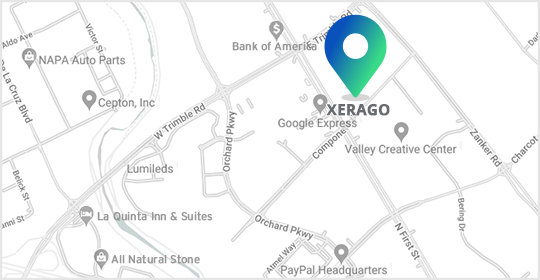
Global Office Locations

2570 N. First Street, Suite 200,
San Jose, CA 95131
Office No. 26, 10/F, Beverley Commercial Centre,
87-105 Chatham Road South, Tsim Sha Tsui, Kowloon,
Hong Kong

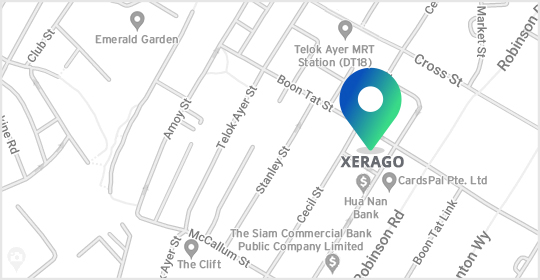
The Octagon Building, #11-07, 105, Cecil Street,
Singapore 069 534
#901, 9th Floor , Ellora Fiesta.
Plot No - 8 , Sector - 11 , Sanpada.
Opp. Juinagar Rly Station.
Navi Mumbai – 400 705

Xerago Towers, Plot 80 & 93,
Industrial Estate, Perungudi,
Chennai, Tamil Nadu - 600096





(Coming Soon)
2570 N. First Street, Suite 200,
San Jose, CA 95131
Office No. 26, 10/F, Beverley Commercial Centre,
87-105 Chatham Road South,
Tsim Sha Tsui, Kowloon,
Hong Kong
The Octagon Building, #11-07, 105, Cecil Street,
Singapore 069 534
#901, 9th Floor , Ellora Fiesta.
Plot No - 8 , Sector - 11 , Sanpada.
Opp. Juinagar Rly Station.
Navi Mumbai – 400 705
Xerago Towers, Plot 80 & 93,
Industrial Estate, Perungudi,
Chennai, Tamil Nadu - 600096
(Coming Soon)