




Data Marts vs. Data Warehouses: Choosing the Right Architecture for Your Business
Published: December 08, 2023 | Updated: April 24, 2025
Introduction
The sheer volume and diversity of data generated in this fast-paced digital world necessitate a strategic approach for organisations to handling information effectively, making data management a critical driver for informed decision-making, operational efficiency, and maintaining a competitive edge.
With which in this realm of data management, the concepts of Data Marts and Data Warehouses emerged as essential components. As businesses grapple with increasing complexity, those adept at managing their data gain not only a clearer understanding of their internal processes but also a distinct advantage in adapting to market dynamics and seizing opportunities.
However, choosing the right architecture between these two – or a combination thereof – is paramount, influencing data accessibility, analytics capabilities, and the seamless alignment of data systems with overarching business goals.
To help you with this analysis, in this article, we delve into the nuanced distinctions between Data Marts and Data Warehouses, offering a detailed overview to empower organizations in making informed decisions that align with your unique needs and goals.
Understanding Data Warehouses and Data marts
Data Warehouses
“A Data Warehouse is a specialized repository designed to centralize and store large volumes of structured data from various sources within an organization”
- Centralized Data Storage: Data Warehouses consolidate information from various sources into a single repository, simplifying data management and ensuring a standardized view across the organization.
- Historical Data: They store historical data, enabling trend analysis, predictive modeling, and a deep understanding of long-term business patterns.
- Integrated Data: Data Warehouses integrate data from different sources, ensuring consistency, reducing redundancy, and breaking down silos for cross-functional analysis.
Data Marts
“Data Marts are specialized subsets of Data Warehouses, serving the distinct analytical needs of specific departments or business units”
- Department-Specific Data: Tailored information within Data Marts aligns directly with the analytics requirements of specific departments, ensuring relevance.
- Focused on Business Units: Centered on individual business units, Data Marts offer a nuanced and specialized analytical approach, aligning with unique objectives.
- Subset of Data Warehouse: Derived from larger Data Warehouses, Data Marts represent a subset of comprehensive data, providing a more manageable and specialized view for specific analytical needs.
Key Differences between Data Warehouses and Data Marts
Navigating the landscape of data architecture requires a nuanced understanding of the distinctions between Data Warehouses and Data Marts. This section delves into these key differences to guide organizations in making informed decisions tailored to their specific business objectives.
Flexibility and Scalability
Data Warehouses:
- Flexibility: Suited for complex, enterprise-wide analytics.
- Scalability: Generally designed to handle the broader needs of the entire organization.
Data Marts:
- Flexibility: Tailored to the specific needs of individual business units.
- Scalability: Can be more agile and scalable for the focused requirements of particular departments.
Implementation Complexity
Data Warehouses:
- Complexity: Typically involves a more intricate and comprehensive implementation process.
- Resource Requirements: Requires substantial resources for design, integration, and maintenance.
Data Marts:
- Complexity: Generally simpler and quicker to implement.
- Resource Requirements: Can be more resource-efficient, making them suitable for departmental-level implementations.
Data Governance and Control
Data Warehouses:
- Governance: Centralized governance ensures standardized data practices and control.
- Control: Offers centralized control over data management and access policies.
Data Marts:
- Governance: Allows for decentralized governance, providing autonomy to individual business units.
- Control: Requires coordination for consistency in governance, balancing autonomy with organizational standards.
Data Retrieval Speed
Data Warehouses:
- Speed: Retrieval may be slower due to the vast amount of data and complex queries.
- Suitability: Ideal for scenarios where immediate data retrieval is not a critical requirement.
Data Marts:
- Speed: Offers faster data retrieval speed due to a more focused dataset.
- Suitability: Particularly suitable for scenarios where quick access to specific data sets is crucial.
Understanding distinctions between data marts and data warehouses is crucial for organizations seeking to optimize their data architecture based on their specific business needs.
Key Considerations in Choosing Data Architecture
A. Organizational Size and Scope
The size and scope of an organization play a pivotal role in determining the most suitable data architecture.
Considerations for Large Enterprises:
- Comprehensive Data Needs: Large enterprises dealing with vast amounts of data from multiple facets require a robust solution. Data Warehouses, with their centralized storage and processing capabilities, offer a panoramic view suitable for organizations with extensive data requirements.
- Enterprise-Wide Integration: The comprehensive nature of Data Warehouses facilitates seamless integration across various departments, ensuring a unified and standardized approach to data.
- Use Case: In a large e-commerce enterprise, a Data Warehouse can consolidate data from sales, marketing, and customer service to provide a comprehensive view for strategic decision-making.
Considerations for Mid-Market Companies:
- Focused Solutions: Mid-market companies often benefit from more targeted solutions. Data Marts, tailored to specific business units or departments, provide a strategic approach, offering precision analytics without overwhelming complexity.
- Scalability for Growth: Mid-sized organizations can leverage the scalability of Data Marts, allowing for incremental growth aligned with specific business needs.
- Use Case: In a mid-sized manufacturing company, a Data Mart can be implemented for the production department to analyze efficiency and resource utilization without the need for organization-wide data integration.
B. Analytical Requirements
Tailoring data architecture to meet analytical requirements is crucial for effective decision-making.
Cross-Functional Analytics:
- Comprehensive Insights: Data Warehouses are optimal for organizations requiring extensive cross-functional analytics. They provide a centralized repository that allows for in-depth analysis spanning various functions, providing a holistic view for strategic decision-making. Engaging a data warehouse consultant can further enhance the design and implementation of these systems, ensuring they align with business goals and deliver maximum value.
- Enterprise-Wide Decision-Making: Suited for scenarios where executives and decision-makers need a comprehensive overview of organizational data.
- Use Case: In a retail chain, a Data Warehouse can analyze data from sales, inventory, and customer service to optimize supply chain management and marketing strategies.
Departmental Analytics:
- Customized Insights: Data Marts, on the other hand, are designed for specific business units or departments with unique analytical requirements. They offer a focused approach, tailoring data access and analytics to meet the distinct needs of individual teams.
- Departmental Decision-Making: Meets the needs of departmental managers and teams seeking focused insights for localized decision-making.
- Use Case: In a healthcare organization, a Data Mart can be implemented for the radiology department to analyze imaging data and improve diagnostic processes.
Hybrid Solutions for Versatility:
- Combining Strengths: For organizations with diverse analytical requirements, a hybrid architecture that combines the strengths of both Data Warehouses and Data Marts can be advantageous. This approach allows for centralized cross-functional analytics while providing focused, department-specific insights.
- Use Case: In a technology company dealing with both overall market trends and product-specific analytics, a hybrid solution allows for the flexibility to adapt to varied analytical needs efficiently.
C. Budget Constraints
The financial constraints of an organization necessitate a strategic approach to maximize returns.
Maximizing ROI with Cost-Effective Solutions:
- Data Marts: In scenarios where, upfront costs are a concern, Data Marts offer a cost-effective solution. Their incremental implementation and focused spending make them suitable for organizations looking to maximize Return on Investment (ROI) while addressing specific departmental needs.
- Tailored Spending: Particularly relevant for scenarios where specific departments need tailored analytics without incurring the upfront costs associated with comprehensive Data Warehouses.
- Use Case: For a startup in the tech industry, implementing a Data Mart for the product development team allows for focused spending on analytics critical for product improvement without the need for an extensive Data Warehouse.
D. Data Governance and Security
Ensuring the integrity and security of data assets is paramount in the digital landscape.
Ensuring Compliance and Safeguarding Assets:
- Data Warehouses: For organizations with stringent security and compliance requirements, the centralized control and governance provided by Data Warehouses stand as an unwavering fortress. They ensure standardized practices and secure data management.
- Regulatory Compliance: Crucial in industries like healthcare or finance, where data security and standardized practices are paramount for compliance with regulations.
- Use Case: In a financial institution, a Data Warehouse ensures compliance with regulatory standards by centralizing financial data while providing secure access to authorized personnel.
E. Technological Infrastructure
Seamless integration demands a thorough assessment of technological compatibility and scalability.
Assessing Compatibility and Scalability:
- Data Warehouses: Organizations dealing with vast and growing datasets benefit from the comprehensive nature of Data Warehouses. They provide centralized scalability, accommodating the broader needs of the entire organization.
- Agility with Data Marts: Alternatively, Data Marts offer agility and adaptability, making them suitable for organizations seeking a more focused approach to scalability aligned with departmental needs.
- Use Case: In a technology company handling large-scale IoT data, a Data Warehouse can manage overall data trends, while Data Marts can be implemented for individual product teams to analyze specific device performance.
Hybrid Solutions for Scalability and Flexibility:
- Optimizing Infrastructure: A hybrid approach combines the scalability of Data Warehouses with the flexibility of Data Marts. This allows organizations to manage the overall data infrastructure efficiently while adapting to the specific needs of different business units.
- Use Case: A retail organization adopting a hybrid solution can leverage the scalability of a Data Warehouse for overall sales trends while utilizing Data Marts for regional teams to analyze local market dynamics.
To conclude,
In the labyrinth of data architecture, the choice between data warehouses and data marts stands as a pivotal decision for mid-market and enterprise companies. A misaligned choice may lead to inefficiencies, hindered scalability, and compromised insights, emphasising the importance of choosing right so as to unleash the full potential of your data-driven endeavours.
In this comprehensive article, we've provided you with an extensive understanding of the nuanced factors influencing the choice between data warehouses, data marts, or a harmonious blend of both. We hope it will be of great significance to steer you away from pitfalls and move you towards the path of efficient data utilisation.
And as you embark on this transformative journey, remember that the right data architecture isn't merely a tool—it's a strategic ally, guiding your business towards innovation and resilience in the ever-evolving digital landscape.



Global Office Locations

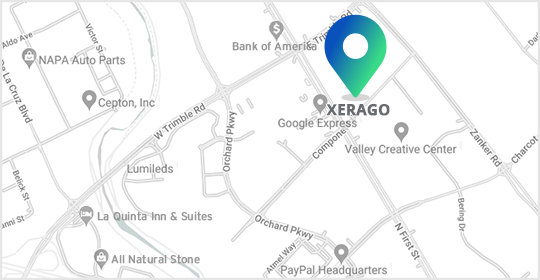
2570 N. First Street, Suite 200,
San Jose, CA 95131
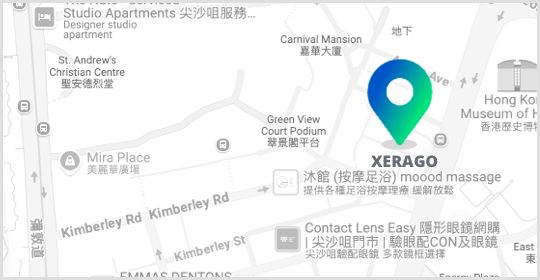
Office No. 26, 10/F, Beverley Commercial Centre,
87-105 Chatham Road South, Tsim Sha Tsui, Kowloon,
Hong Kong
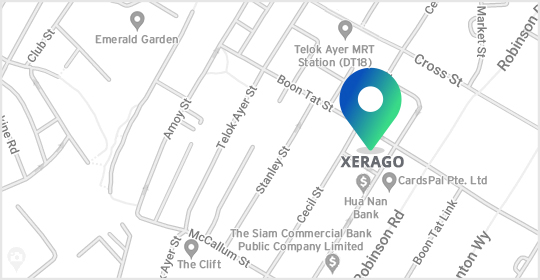
The Octagon Building, #11-07, 105, Cecil Street,
Singapore 069 534
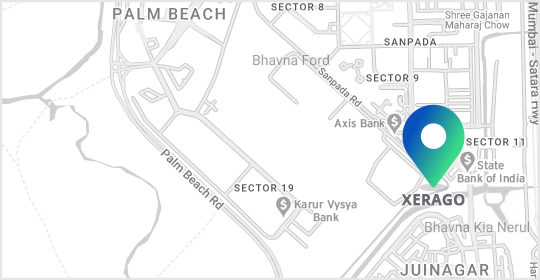
#901, 9th Floor , Ellora Fiesta.
Plot No - 8 , Sector - 11 , Sanpada.
Opp. Juinagar Rly Station.
Navi Mumbai – 400 705
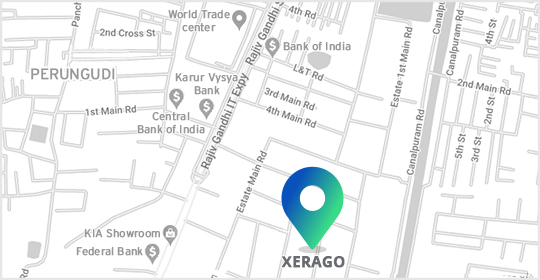
Xerago Towers, Plot 80 & 93,
Industrial Estate, Perungudi,
Chennai, Tamil Nadu - 600096


(Coming Soon)
2570 N. First Street, Suite 200,
San Jose, CA 95131
Office No. 26, 10/F, Beverley Commercial Centre,
87-105 Chatham Road South,
Tsim Sha Tsui, Kowloon,
Hong Kong
The Octagon Building, #11-07, 105, Cecil Street,
Singapore 069 534
#901, 9th Floor , Ellora Fiesta.
Plot No - 8 , Sector - 11 , Sanpada.
Opp. Juinagar Rly Station.
Navi Mumbai – 400 705
Xerago Towers, Plot 80 & 93,
Industrial Estate, Perungudi,
Chennai, Tamil Nadu - 600096
(Coming Soon)