




4 Compelling Business Cases to Enhance AMC Websites. The Time is Now.
Published: November 06, 2023 | Updated: September 13, 2024
Setting the Context
Indian Mutual Fund (MF) websites have persistently fallen short in providing a high-caliber user-experience for the average individual investor. This deficiency stems not from negligence, but as a reaction to the prevailing dynamics of the entities traditionally involved in fundraising for Indian Asset Management Companies (AMC).
Historically, Mutual Fund AMCs did not accord their websites the attention and resources they warranted, primarily because of the pivotal role played by Mutual Fund Distributors (MFDs) in channeling almost 80% of the Assets Under Management (AUM) in the Mutual Funds domain.
Investor apathy towards AMC websites
For the high commissions paid to them, MFDs not only took on the responsibility of educating investors about MF products, but also to analyze, comprehend, and customize investment strategies that align with their need.
Investors thus remained largely indifferent about perusing the websites of individual MF entities. Even though an official online web presence remains de rigueur for Asset Management Companies, Chief Digital Officers conspicuously underutilized websites as bona fide marketing channels. The adept and all-encompassing guidance provided by distributors and agents rendered MF websites mostly into corporate and fund manager PR displays.
AMC apathy towards personalized investor campaigns
Despite having access to all relevant unit-holder data, AMCs have so far not personalized campaigns to target them, other than probably sending emails highlighting new offerings. Again, the dynamics of the MF–MFD arrangement didn’t pressurize AMCs to run such campaigns, because the network of distributors did it for them.
Now, Mutual Fund Aggregator (MFA) apps are emerging as a growing source of capital for AMCs. The dynamics of the MF-MFA relationship are similar, with mutual benefits at play. Accepted trade practices restrain MFs from directly accessing clients investing through MFA. Some AMCs have resorted to even collaborating with MFAs for white labeled or co-branded marketing collateral.
Winds of Change
The MF-MFD dynamics are now shifting. In the last 3 years, a series of changes in the Mutual Fund ecosystem now give AMCs opportunities to recapture the narrative. Xerago identifies four compelling business cases on why it is time to reassert digital presence by leading with a revamped UX optimized AMC website.
1. Sources for Personalized Quality Advice are dwindling
The Securities and Exchange Board of India (SEBI) has severely curtailed the traditional roles of MFDs since August 2020. MFDs were happy to offer free investment advice, since they also handled the execution, for which AMCs paid them trail commissions. MFDs can no longer provide investment advice.
Now, this role is expected to be filled by Individual Advisers (IA) and Registered Investment Advisors (RIA). But investors, accustomed to receiving free advice from MFDs, hesitate to pay RIAs for their services.
"The space for a trusted advisor is now open for AMCs to step into. And the AMC website is the cornerstone of this opportunity."
2. Direct Investment is becoming the new normal
Since introducing direct investment plans a decade back, an increasing proportion of investors have opted for this approach. This trend received a further boost with the separation of advisory and distribution functions. MFDs won't promote direct plans, as they receive no trail commissions from them. Advisors, prohibited from earning selling commissions, increasingly recommend direct investing through fund houses, bypassing distributors.
Currently, nearly one in every four MF investors opts for direct investment through the AMC website. It is incumbent upon AMCs keen to leverage this burgeoning trend, to breathe new life into the investor experience offered on their online platforms.
3. Visitors love-hate AMC websites
Source: www.similarweb.com.
| AMC site | Traffic | Bounce rate | Avg time spent (min) | Pages per visit | % of visitors in age range (years) | Biggest channels |
|---|---|---|---|---|---|---|
| sbimf.com | 1.1m | 41% | 5.25 | 4.82 | 25-34 - 48% 35-44- 16% 18-24- 15% | Direct 49% Organic 46% |
| hdfcfund.com | 756K | 40% | 6.04 | 5.4 | 25-34 -51% 35-44- 15% | Direct 44% Organic 48% |
| icicipruamc.com | 913k | 54% | 3.32 | 4.58 | 25-34 -50% 35-44- 17% | Direct 48% Organic 33% Paid 14% |
| axismf.com | 410k | 35% | 6 | 4.85 | 25-34 -51% 35-44- 15% | Direct 40% Organic 36% Paid 19% |
| kotakmf.com | 460k | 55% | 2.22 | 2.71 | 25-34 - 50% | Direct 30% Organic 25% Paid search 21% |
Visitor Statistics: Over the past 28 days in October’23, MF websites have been frequented by an average of 15,000 to 400,000 individuals daily.
Bounce Rate: Approximately half (40%-50%) of these visitors exit after viewing only one page, signaling a difficulty in finding desired information on the homepage or landing page. They depart without further interaction, including exploring links to other pages, or even logging-in if they are unit holders.
Time Spent: On average, visitors dedicate between 2 and 6 minutes on the AMC website. Given that many of these individuals come to research financial options, this duration is concerning.
Digital Native Audience: It is worth noting that nearly half of the visitors are in the 25-34 age group. This demographic is adept in navigating digital platforms, has little patience for poorly designed interfaces, and highly values and appreciates superior user experiences.
High-Intent Visitors: Half of AMC web traffic consists of direct users, who either directly enter the website URL or have bookmarked it. These users typically possess strong brand awareness and affinity. While having such a high proportion of direct users is the envy of any other brand, AMC metrics indicate this advantage is frittered away, with disappointingly low engagement. Nevertheless, they continue to return.
The remaining 50% of visitors arrive at AMC websites via organic, unpaid search. Visitors who specifically input the brand name into search engines. These are high-intent users who know precisely where they wish to go. Despite commendable SEO efforts, the potential for high engagement from these visitors is being squandered due to a suboptimal user interface.
Paid Search: Paid search gains prominence as AMC digital presence expands on social media. It is however regrettable that the substantial expenditure on paid advertising is not fully exploited by providing an intuitive and streamlined landing page experience.
Regardless of whether visitors are casual browsers, or unit holders who have made investments through MFDs or MFAs, their decision to engage directly with your brand presents a singular opportunity for deepened interaction, personalization, and trust-building. A smooth and enjoyable user experience is the initial step towards realizing this potential.
4. The Lost Opportunity
While an AMC possesses all customer details necessary to personalize a campaign, industry norms and prudent business practices restrict AMCs from directly engaging with clients who have invested through MFAs.
Consequently, every mutual fund customer visiting the AMC website, encounters navigation challenges, and departs in frustration to invest via a Mutual Fund Aggregator represents a lost opportunity for direct connection. This missed opportunity extends to understanding customers' life circumstances, objectives, and risk profiles, as well as establishing relationships, building trust, and fostering brand loyalty.
Enhancing your website's appeal, user-friendliness, and informativeness increases the likelihood of on-site investments and diminishes the probability of visitors resorting to an MFA for this purpose. Moreover, website improvements do not infringe upon the territory of MFAs in any manner.
The Time to Revitalize AMC Websites is Now
It is time for Chief Digital Officers to dust off their digital platforms and rejuvenate them. The evolving landscape of the Mutual Fund industry presents compelling business cases for AMCs to reassert their online presence.
The traditional roles of MFDs are stunted in this shifting dynamic. The decline in quality advice sources, coupled with the rise of direct investment, provides an opportune moment for AMCs to step in as trusted advisors through personalized web experiences.
The current state of website engagement metrics provides valuable insights. High bounce rates and limited time spent on the site indicate a need for an improved user experience. The digital-native audience, particularly the 25-34 age group, demands intuitive and well-designed interfaces.
Furthermore, the potential for personalization campaigns remains largely untapped due to industry norms and practices. AMCs with access to all unit-holder data are nevertheless restricted from direct engagement. There is now a way to bridge this gap and foster brand loyalty in a non-invasive way by enhancing website appeal, user-friendliness, and informativeness.
In this era of digital transformation, AMCs must seize this opportunity to project their online platforms as linchpins in investor engagement. By doing so, they can not only enhance the investor experience, but also establish themselves as trusted advisors in the ever-changing Mutual Fund landscape.



Global Office Locations

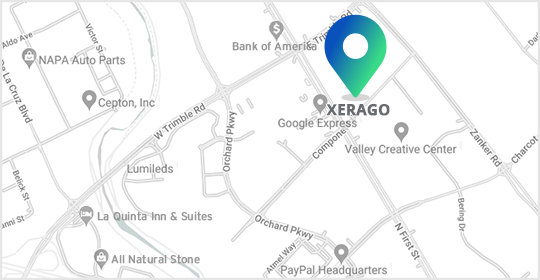
2570 N. First Street, Suite 200,
San Jose, CA 95131
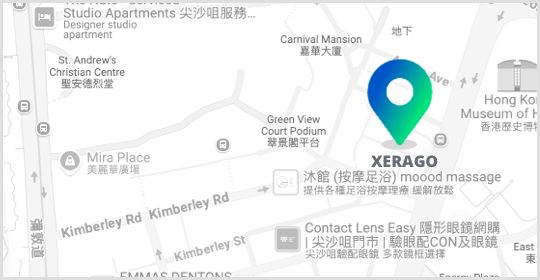
Office No. 26, 10/F, Beverley Commercial Centre,
87-105 Chatham Road South, Tsim Sha Tsui, Kowloon,
Hong Kong
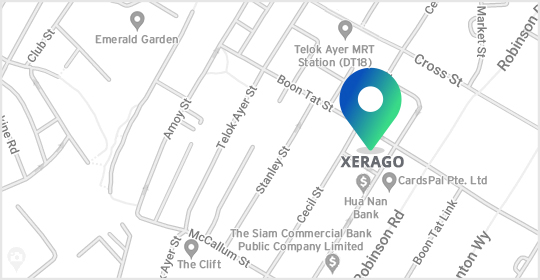
The Octagon Building, #11-07, 105, Cecil Street,
Singapore 069 534
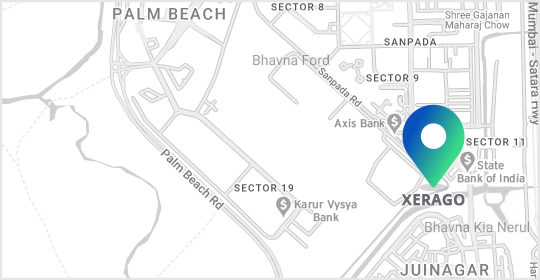
#901, 9th Floor , Ellora Fiesta.
Plot No - 8 , Sector - 11 , Sanpada.
Opp. Juinagar Rly Station.
Navi Mumbai – 400 705
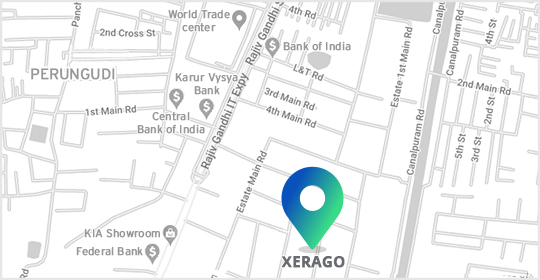
Xerago Towers, Plot 80 & 93,
Industrial Estate, Perungudi,
Chennai, Tamil Nadu - 600096




(Coming Soon)
2570 N. First Street, Suite 200,
San Jose, CA 95131
Office No. 26, 10/F, Beverley Commercial Centre,
87-105 Chatham Road South,
Tsim Sha Tsui, Kowloon,
Hong Kong
The Octagon Building, #11-07, 105, Cecil Street,
Singapore 069 534
#901, 9th Floor , Ellora Fiesta.
Plot No - 8 , Sector - 11 , Sanpada.
Opp. Juinagar Rly Station.
Navi Mumbai – 400 705
Xerago Towers, Plot 80 & 93,
Industrial Estate, Perungudi,
Chennai, Tamil Nadu - 600096
(Coming Soon)