



Advanced Web Analytics: Going Beyond Page-views and Bounce Rates
Published: November 21, 2023 | Updated: October 18, 2024
Introduction
Web analytics is a powerful lever in the engine of data-driven digital impact. It provides the means to collect, track, analyze, and interpret data about a website's usage and performance trends. These data-driven insights facilitate informed decision-making, which is essential for maximizing the digital impact on your critical customer-facing digital properties.
However, to drive a truly profitable impact, you require a deeper understanding of website performance. This necessitates going beyond surface-level metrics such as page views and bounce rates to unearth profound analytical insights.
To gain a comprehensive understanding of your web audience and enhance your online presence, it's imperative to delve into advanced web analytics techniques.
Advanced web analytics techniques encompass a comprehensive understanding of user behavior, preferences, and experiences, tracking complex user interactions, and even predictive analytics. It adds a contextual layer to surface-level metrics and helps uncover the complete story behind each metric.
Reasons to Employ Advanced Web Analytics Techniques
1. Basic Tracking Meets Minimum Data Requirements but Offers an Incomplete Picture:
Mere statistics like page views, clicks, impressions, bounce rates, and engagement rates provide data on user actions, but they fall short in explaining the "why" behind these behaviors. For instance, an ecommerce site’s home page logs a high bounce rate. It would be best for the teams to know what caused users to drop off — where they lingered and what made them lose interest. Unfortunately, basic metrics like bounce rates often leave businesses with more questions than answers, relying on assumptions rather than concrete insights.
2. Discover contextual insights:
Surface-level metrics viewed in isolation are merely vanity metrics. These metrics, while informative, lack the critical element of context or the events and behaviors leading up to different scenarios like bounces, engagements, or views. To bridge this gap, it's essential to delve deeper and fill in the contextual blanks left by basic metrics using advanced analytical techniques. Further investigation and analysis enable businesses to connect the dots between the numbers and actual user behavior.
3. Continuous Improvement:
Web analytics is an ongoing process. Advanced techniques help you track long-term trends and make continuous improvements to your website and campaign strategies. This iterative approach leads to sustained growth and success.
4. Personalization and Targeting Strategies:
Advanced web analytics provide an extensive repository of data that can be leveraged to design customized campaigns. By gaining insights into user behavior, preferences, and demographics, businesses can craft targeted marketing strategies that resonate with their audience. This personalized approach not only enhances engagement and customer satisfaction but also leads to increased conversion rates.
Deepening Analytics Insights with Advanced Web Analytics Techniques
Here are some advanced web analytics techniques you can explore:
User Flow Analysis and Heatmaps: Unlocking User Behavior Insights
Understanding how users navigate your website and interact with its elements is pivotal for optimizing user experiences and boosting conversions. Two invaluable techniques within advanced web analytics that aid in achieving this are User Flow Analysis and Heatmaps.
User Flow Analysis:
User Flow Analysis empowers businesses to map and visualize the paths users take while navigating a website. It provides insights into how users progress through various pages and stages, from their initial entry to key interactions and conversions.
- Identifying Drop-off Points: User Flow Analysis can precisely pinpoint where users tend to drop off or abandon the journey, shedding light on areas that require optimization.
- Optimizing Conversion Paths: It helps businesses understand the most common routes users take to complete desired actions, such as making a purchase or signing up. This information is instrumental in streamlining these paths for improved conversion rates.
- Detecting Anomalies: User Flow Analysis uncovers unexpected or irregular user behavior, which may indicate design or functionality issues.
- A/B Testing Insights: When conducting A/B tests to compare different webpage or user journey versions, User Flow Analysis aids in evaluating the impact of changes on user flow and conversion rates.
Heatmaps:
Heatmaps visually represent where users click, move their mouse, or scroll on a webpage, offering a clear graphical overview of user interactions and highlighting "hotspots" and "cold spots."
- Page Element Engagement: Heatmaps reveal which page elements receive the most attention, guiding design decisions.
- Scroll Depth Analysis: They indicate how far users scroll down a page, ensuring essential information is placed within the visible part.
- Click Behavior: Heatmaps show where users click and interact, essential for optimizing call-to-action button placement and navigation menus.
- Validation of Design Changes: Heatmaps validate the impact of design modifications by comparing user interactions before and after changes.
- Mobile Responsiveness: They are invaluable for assessing mobile responsiveness by showing how users interact with the site on different devices.
Funnel Analysis: Navigating the Path to Conversion
Funnel analysis empowers enterprises to dissect the user journey, track specific actions, and identify potential bottlenecks or drop-off points. It's a powerful tool for optimizing conversion paths and increasing the efficiency of online processes. Funnel analysis can be conducted on any sequence of steps or stages that users go through to complete a specific action or conversion, such as making a purchase, signing up, or downloading a resource.
- Identifying Conversion Blockers: Funnel analysis is instrumental in pinpointing where users are dropping off or abandoning the conversion process. By identifying these barriers, businesses can take targeted actions to remove conversion blockers and enhance the user journey.
- Optimizing User Experience: Analyzing the funnel allows for a thorough examination of each stage's effectiveness. Businesses can identify friction points, confusing interfaces, or inefficient processes, and subsequently streamline the user experience to improve conversions.
- Data-Driven Decision-Making: Funnel analysis provides quantitative data to make informed decisions. It helps in understanding the impact of design changes, marketing strategies, or content modifications on conversion rates.
Event Tracking: Capturing User Interactions for Deeper Insights
Event tracking involves the systematic monitoring and recording of key user interactions with a website or app, such as clicking on buttons, watching videos, downloading files, or engaging with forms. These interactions are defined as "events," and they can vary widely based on the objectives and functionalities of the site. Businesses can define and track custom events that are unique to their websites or applications. This flexibility allows for the monitoring of actions that directly impact their specific goals.
- Granular User Behavior Insights: Event tracking enables businesses to gain a granular understanding of how users interact with their digital platforms. It goes beyond standard metrics to offer insights into specific actions taken by users.
- Optimizing User Engagement: By tracking user interactions, businesses can identify areas where users are most engaged and those where they may disengage. This information is invaluable for optimizing the placement and design of elements to increase user engagement.
- Form Optimization: Event tracking can monitor form abandonment, helping businesses identify the specific fields or stages where users drop off. It can also detect and record validation errors when users submit forms. Furthermore, advanced event tracking can provide insights into user interactions with individual form fields. Understanding which fields users hesitate on or interact with the most allows for targeted improvements.
Predictive Metrics
Predictive metrics unlock hidden data patterns that might remain elusive through conventional data analysis methods. They allow businesses to harness historical data to forecast future trends, performance, and user behavior. These forward-looking insights provide a competitive advantage by enabling proactive decision-making and strategic planning.
- Forecast Trends: Predictive analysis can predict the potential revenue generated by a particular customer group, enabling brands to categorize audiences based on their profitability to the business. Subsequently, machine learning can be applied to gain a deeper understanding, allowing marketing resources to be focused on the audience segments that promise the highest return on investment.
- Probabilistic Identity Resolution: When explicit customer data is unavailable, predictive analysis can fill the gaps. It can simplify identity resolution by probabilistically associating interactions with your product to a specific user, even without explicit ID linking. As a result, businesses can identify individual users as they transition between devices or pick up sessions at different times or locations, enhancing their understanding of user behavior and preferences.
- Customer Retention: Predictive churn models can foresee and assign scores to customers with a greater propensity for churn. They can also be applied to assess customer dissatisfaction. In turn, businesses can employ these metrics to take proactive measures to retain customers and improve loyalty.
Advanced Web Analytics: The Future Ahead
Technological changes over the past two decades have paved the way for a data revolution. These changes include the Internet of Things (IoT), Artificial Intelligence (AI), Machine Learning (ML), Data Mining, Voice Analytics, Augmented Reality (AR), Virtual Reality (VR), and 5G.
These technologies will generate new types of data and create new ways for customers to interact with businesses. Emerging technologies are poised to offer a wealth of opportunities for advanced web analytics – unlocking a diverse data ecosystem and intricate pathways to learn more about user behavior and interactions.
As enterprises adapt to these evolving trends, they will be better equipped to meet the ever-changing demands of the digital landscape and achieve their digital objectives. Advanced web analytics will continue to be a driving force behind data-driven decision-making and digital success.
Final Thoughts
By peering beyond the conventional boundaries of data analysis, businesses can uncover the nuanced layers of user behavior, preferences, and interactions. Armed with a wealth of contextual insights, they can tailor their strategies, enhance user experiences, and craft personalized campaigns that resonate deeply with their audience. The journey from mere data collection to profound understanding is facilitated by techniques such as User Flow Analysis, Heatmaps, Funnel Analysis, Event Tracking, Predictive Metrics, and more.
With advanced web analytics as their ally, businesses can navigate the digital landscape with confidence, charting a course towards sustained growth, unwavering customer loyalty, and a future where data isn't just information – it's the key to unlocking endless possibilities.



Global Office Locations

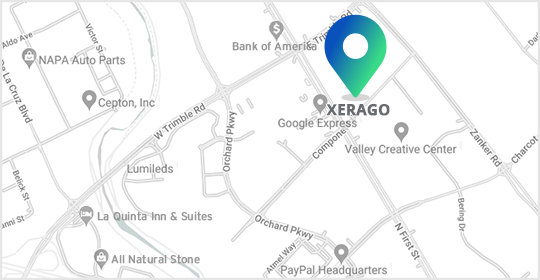
2570 N. First Street, Suite 200,
San Jose, CA 95131
Office No. 26, 10/F, Beverley Commercial Centre,
87-105 Chatham Road South, Tsim Sha Tsui, Kowloon,
Hong Kong

The Octagon Building, #11-07, 105, Cecil Street,
Singapore 069 534

#901, 9th Floor , Ellora Fiesta.
Plot No - 8 , Sector - 11 , Sanpada.
Opp. Juinagar Rly Station.
Navi Mumbai – 400 705

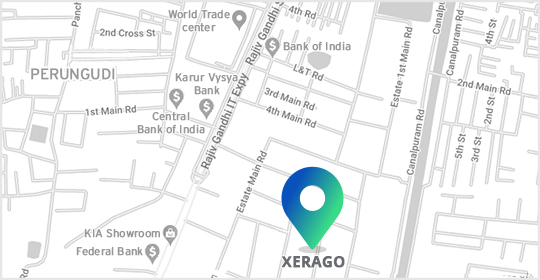
Xerago Towers, Plot 80 & 93,
Industrial Estate, Perungudi,
Chennai, Tamil Nadu - 600096




(Coming Soon)
2570 N. First Street, Suite 200,
San Jose, CA 95131
Office No. 26, 10/F, Beverley Commercial Centre,
87-105 Chatham Road South,
Tsim Sha Tsui, Kowloon,
Hong Kong
The Octagon Building, #11-07, 105, Cecil Street,
Singapore 069 534
#901, 9th Floor , Ellora Fiesta.
Plot No - 8 , Sector - 11 , Sanpada.
Opp. Juinagar Rly Station.
Navi Mumbai – 400 705
Xerago Towers, Plot 80 & 93,
Industrial Estate, Perungudi,
Chennai, Tamil Nadu - 600096
(Coming Soon)