




A Campaign Manager’s Agony and Ecstasy with AI/ML models - A First-hand Assessment
Published: December 08, 2023 | Updated: August 30, 2024
Introduction
As a part of its Cognition practice, Xerago implements AI and ML models into campaign functions for large enterprise clients, or integrates and augment their existing capabilities into various marketing functions. Having done this for a few years, and more than a few clients, we have hands-on experience with the benefits gained and challenges faced at every stage in adopting, implementing, and optimizing marketing operations to the efficiencies of AI and ML models.
This article gives a first-hand account of the hurdles campaign managers face in integrating AI/ML models, and how their experiences transform before and after adopting these advanced tools.
1. Data Quality and Quantity:
Campaign Operation Leaders relied on historical data, but the sheer volume and variety of data challenged manual management. Consequently, the lack of real-time insights hindered agile decision-making.
After AI/ML: The adoption of AI/ML models transforms the use of data. We notice Campaign Operation Leads make quicker and more informed decisions because of real-time analytics. This shift results in improved campaign performance, increasing ROI, and a deeper understanding of consumer behavior.
The Challenges: Though AI/ML models thrive on data, data abundance doesn't always guarantee quality. We’ve find Campaign Managers (and Data Analytics Leads) not tuned to the nuances of cleaning and preprocessing massive datasets that these models need for reliable inferences. Nor is this a one-time exercise. Only continuous data updates sustain model accuracy and relevance.
2. Algorithm Selection and Interpretability:
Campaign strategies were planned based on human intuition and experience. While effective, these methods lacked the precision and adaptability offered by AI/ML algorithms.
After AI/ML: Campaign Operation Leads now benefit from the precision and adaptability of AI/ML models, enhancing the efficacy of their strategies. They meet the interpretability challenge with the wealth of actionable insights derived from these advanced algorithms. They now plan more targeted campaigns, see improved audience engagement, and a higher level of campaign personalization.
The Challenges: The sheer range of algorithms available becomes a paradox of choice for Campaign Managers uninitiated in data science. Selecting the right algorithm for specific objectives becomes a complex task. Additionally, we find that interpreting the results of AI/ML models requires a nuanced understanding of the algorithms to glean actionable insights.
3. Resource Allocation and Budgeting
Budget allocation relied heavily on historical performance data and general market trends. While this approach had a level of predictability, it often missed dynamic shifts in consumer behavior.
After AI/ML: Campaign Leads find that resource allocation and budgeting models optimize spending by analyzing historical data, identifying effective channels, and predicting outcomes. Real-time analytics enhance adaptability, enabling Campaign Operations to make rapid adjustments to maximize impact.
This imposes a structure to streamline decision-making, allowing Campaign Operation leads to allocate resources more efficiently. Thus, AI/ML empowers optimized, data-driven, cost-effective decisions, improving campaign performance and resource utilization.
The Challenges: The reality is that optimizing budget allocation through AI/ML models requires investing in technology and skilled personnel. Campaign managers need to find budgets for the initial costs of implementation, and the ongoing expenses for maintenance and training. They try to balance traditional and AI-driven methods for resource optimization.
4. Human-AI Collaboration
Campaign Operation leads led their teams with a human-centric approach, relying on human skills for creative ideation, emotional intelligence, and strategic planning.
After AI/ML: They now witness the benefits of a collaborative environment where ML systems and human teams complement each other, resulting in enhanced creativity and strategic thinking. This collaboration results in improved employee morale, increased productivity, and the development of innovative marketing strategies.
The Challenges: Effective collaboration of campaign and data science teams is hindered by misaligned understanding of business goals and technical constraints.
Data privacy concerns and ethical considerations surrounding AI-driven campaigns also pose obstacles. Our experience has been that Campaign Operators navigate a steep learning curve to interpret complex AI outputs and integrate them into creative marketing strategies.
Balancing human intuition with machine-generated insights is a delicate task, requiring continuous communication and a shared understanding of objectives.
5. Ethical Considerations and Privacy Concerns
Ethical considerations were primarily centered around human decisions. A well-researched set of guidelines for ethical, bias-free, and inclusive campaigns largely enforced compliance. The advent of AI/ML introduced a layer of complexity in ethical dilemmas, such as bias in algorithms and the responsible use of consumer data.
After AI/ML: While ethical considerations persist, it's encouraging that Campaign Operation Leaders are increasingly aware of tools to mitigate biases in algorithms. They actively ensure the ethical development of AI algorithms, mitigating biases and promoting fairness in decision-making processes.
Campaign Managers are also taking a proactive approach to establish ethical oversight standards, so AI/ML models are aligned with ethical standards in marketing practices.
They strive to use consumer data responsibly, ensuring a balance between data-driven efficiency and ethical standards.
The Challenges: Campaign Operation Leads are tasked with ensuring that AI/ML models adhere to ethical standards, largely by inspecting outcomes. To mitigate biases in algorithms and safeguard customer privacy, a greater level of scrutiny of training data is expected. We see that the responsibility to balance data-driven efficiency and ethical considerations places Campaign Managers in a moral quandary.
The adoption of AI/ML models also has Campaign Managers struggle to enhance transparency in communicating data usage policies, largely because of the black-box nature of some models. Consequently, they find it a challenge to address privacy concerns adequately, and foster trust with consumers.
6. Adaptation to Rapid Technological Changes
Not too long ago, Campaign Operation Leads operated in a digital landscape that grew at a manageable pace. Technological advancements were gradual, with smoother transitions and learning curves. This changed rapidly.
After AI/ML: We see Campaign Operation and Data Analytics Leads embrace instituted continuous learning initiatives to stay abreast of the rapid changes in AI/ML technologies. They realize that adapting to emerging trends is a source of competitive advantage, and that it allows them to innovate and implement strategies ahead of industry trends. We also find that campaigns are fresh, engaging, and more aligned with developing consumer preferences.
A welcome development we see is that continuous learning opens professional development opportunities for Campaign and Analytics teams, fostering a culture of growth and adaptability in the marketing landscape.
The Challenges: In practice, however, Campaign and Data Science teams face formidable challenges in keeping pace with rapid technological changes in the AI/ML realm, because much of the training is oriented to practical application.
Cross-disciplinary collaboration and timely skill enhancement pose a few hurdles. MarTech teams contend with application vendors and ML specialists to integrate new tools, configure algorithms, and simultaneously ensure compliance with ethical use and data privacy requirements. But CTOs and CMOs realize that overcoming these obstacles successfully is crucial for exploiting the full potential of AI/ML in marketing strategies.
7. Transformative Customer Experiences: Audience Targeting and Personalization
Targeting methods relied on broad demographics, using a one-size-fits-all approach. Identifying nuanced smaller segments was based on human inferences of likely unifying traits. Manually analyzing vast datasets for personalized content proved time-consuming and error-prone.
Campaign strategies aimed at such segments were further limited by suitable messaging and content. Tailoring messages to diverse audiences in real-time was daunting, limiting the effectiveness of campaigns.
After AI/ML: These models revolutionize targeting by enabling granular data analysis and dynamic predictive modeling. These models process demographic and behavioral data, identifying patterns that human analysis might overlook.
We find campaigns have greater accuracy in aligning personalized content to target audiences, improving overall efficiency. ML models automate personalization, optimize content delivery, and enhance customer engagement through greater precision in deciphering individual preferences. Campaigns generate improved ROI, reduce wasted ad spend, and bring a sharper focus on segments likely to convert, ultimately enhancing campaign performance.
The Challenges: Constant vigilance seems to be the unforeseen consequence of both optimized targeting accuracy and hyper-personalization. The algorithmic bias in AI/ML models used in audience targeting may inadvertently reinforce stereotypes. Campaign Operating Leads work on identifying reporting criteria that allow them to gain transparency from opaque targeting models and meet ethical data-use standards.
We realize that Campaign Operating Leads need to monitor and refine AI/ML algorithms so that they accurately interpret diverse user behaviors for data privacy and maintain a balance between customization and intrusion. They need to be vigilant to balance building trust with consumers and avoiding the risk of seeming overly invasive.
We find that the cost of such vigilance is the slowing of the model’s potential to speedily adapt to the evolving nature of consumer preferences and continually adjust to align with shifting market dynamics and diverse audience needs.
Final Thoughts
In Xerago’s experience of integrating Machine Learning (ML) and Artificial Intelligence (AI) models into campaign functions, we are convinced this marks not only a transformative present, but also promises an even more dynamic future. In our opinion, as Campaign Operation Leaders reap the benefits and navigate the challenges of this technological shift, a few key aspects emerge that shape the trajectory marketing strategies will take.
Increased Cross-functional Collaboration
Xerago finds that the collaborative synergy between Campaign, Analytics, and MarTech functions, imposed to operationalize and sustain Ai/ML models, builds a very different level of cohesiveness in the way businesses operate.
This collaboration fosters a dynamic environment where data-driven insights from analytics directly inform campaign decisions, and MarTech tools enhance the precision and personalization of campaigns, ultimately leading to more effective and impactful marketing initiatives. Such alignment of functions looks imperative, as these models require not only data, but also strategic input and creative direction.
Cultivating Data Science Expertise
We observe that while the promise of AI/ML is vast, there are twin challenges of upskilling internal teams, and scarce external data science expertise. Businesses walk the line between cultivating data science expertise within their teams, and the inherent challenges of attracting and affording external talent.
Upskilling internal teams requires commitment to continuous learning and development, which, while beneficial in the long run, also needs time and resources. Simultaneously, the scarcity of qualified external data science consultants poses a considerable challenge in a competitive market where the demand for such expertise often far outstrips supply.
Gauging External Data Science Consultants
In our conversations with CMOs, CTOs, and Data Analytics Leaders, they confess to insufficient understanding, structured to gauge the quality and deliverables of external data science consultants. Nor the ability to assess and integrate external expertise.
Currently, Xerago sees a gap in establishing standardized evaluation formats to assess the proficiency of external consultants. This gap challenges leadership to make informed decisions regarding when and how to engage external talent, leading to potential inefficiencies and misalignments in strategic initiatives.
We look into the future and its bright
We see the current crop of challenges that human ingenuity and purpose will soon overcome. The future of marketing campaign functions is intertwined with the continued evolution of ML and AI models. These are poised to become indispensable tools to drive unprecedented precision, efficiency, and personalization in marketing campaigns.
As algorithms become more sophisticated and adaptable, the Campaign Operators and functional MarTech leaders that Xerago liaises with anticipate that marketing automation will become more user-friendly to integrate AI/ML models with various facets of marketing, from audience targeting and content optimization to real-time decision-making.
The trajectory points towards a future where AI/ML models are strategic allies to navigate the complexities with agility and derive insights previously unimaginable.



Global Office Locations

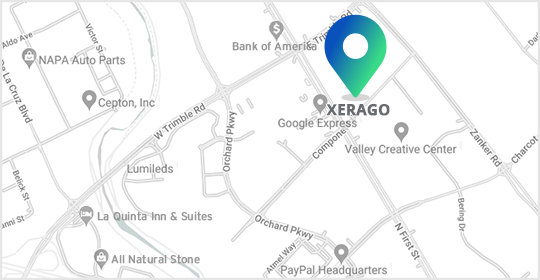
2570 N. First Street, Suite 200,
San Jose, CA 95131
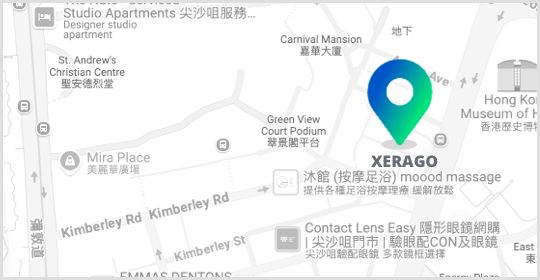
Office No. 26, 10/F, Beverley Commercial Centre,
87-105 Chatham Road South, Tsim Sha Tsui, Kowloon,
Hong Kong
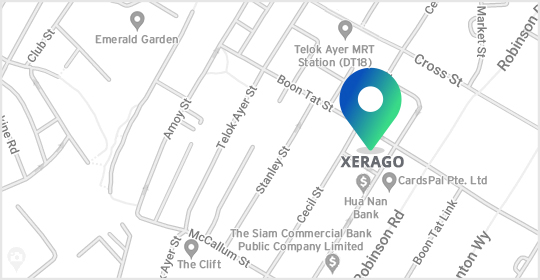
The Octagon Building, #11-07, 105, Cecil Street,
Singapore 069 534
#901, 9th Floor , Ellora Fiesta.
Plot No - 8 , Sector - 11 , Sanpada.
Opp. Juinagar Rly Station.
Navi Mumbai – 400 705

Xerago Towers, Plot 80 & 93,
Industrial Estate, Perungudi,
Chennai, Tamil Nadu - 600096
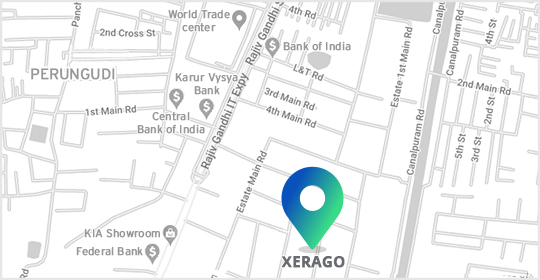




(Coming Soon)
2570 N. First Street, Suite 200,
San Jose, CA 95131
Office No. 26, 10/F, Beverley Commercial Centre,
87-105 Chatham Road South,
Tsim Sha Tsui, Kowloon,
Hong Kong
The Octagon Building, #11-07, 105, Cecil Street,
Singapore 069 534
#901, 9th Floor , Ellora Fiesta.
Plot No - 8 , Sector - 11 , Sanpada.
Opp. Juinagar Rly Station.
Navi Mumbai – 400 705
Xerago Towers, Plot 80 & 93,
Industrial Estate, Perungudi,
Chennai, Tamil Nadu - 600096
(Coming Soon)