




A Deep Dive into Content Archiving and Retirement. Why it is Essential?
Published: October 20, 2023 | Updated: July 08, 2024
Content management systems are meant to help manage enterprise content. However, over time, these systems can become more of a dumping ground, storing obsolete digital assets.
While this may not have a direct effect on the performance of the CMS, retaining obsolete assets can have a significant impact on your compliance, customer experience, and overall digital presence health. Having a robust content archival and retirement strategy is key to managing and maintaining your enterprise assets.
The Importance of Content Archival and Retirement
Content archival and retirement are just as important as new content creation. With the explosion of content and the wide variety of assets produced by enterprises each day, content maintenance and housekeeping should be an ongoing exercise that cannot be overlooked.
Content archival and retirement are critical aspects of content management and knowledge governance for enterprises of all sizes. They are also vital parts of the content lifecycle. By carefully implementing these practices, one can ensure that content remains a valuable asset rather than a liability.
The Perils of Ignoring Content Archival and Retirement
With thousands of entries making up your content repository, it's paramount to unlink and archive unused content types as it is to retire old pages. Ignoring these vital phases of the content lifecycle will only lead to content sprawl and hamper your ability to find, organize, and retrieve assets across your vast content estate. Content that has lost its value, validity, or veracity can pose significant risks:
- Poor User Experience: Content that's out-of-date, substandard, duplicate, or contradicts other content will confuse users, discourage them from continuing their journey, and lead to higher drop-offs. Removing or archiving such content can help improve user satisfaction and engagement.
- Reputational and Legal Risks: Inaccurate and invalid content can damage brand credibility and erode consumer trust. Many industries and organizations are subject to regulations that mandate the retention and disposal of certain types of content. Failing to comply with these requirements can result in legal and financial consequences. Proper archival and retirement practices help organizations stay compliant with relevant laws and regulations.
- Impact on SEO: Duplicate content, expired offers or pages, and a poor user experience can affect search rankings and online visibility. When you retire or archive outdated or irrelevant content, you can improve the overall relevance of your website. This can positively impact your SEO by ensuring that the content you present to search engine crawlers is more closely aligned with the topics and keywords you want to rank for.
- Operational Costs: Overgrown, low-value content uses up server space as well as the resources needed to manage it. Archiving and retiring content that is no longer needed can lead to significant cost savings in terms of storage and maintenance.
- Cluttered and Crowded Content Repository: With content overload, it may become a struggle to find and access assets in your repositories. When content is archived and retired properly, it is usually organized and indexed, making it easier to search for and retrieve when needed. This is particularly important for historical or reference content that may need to be accessed in the future.
- Security Risks: Keeping unnecessary content can increase security risks. Unmanaged content can contain sensitive information that might be exposed in data breaches. By archiving and retiring content as appropriate, organizations reduce the risk of data breaches and the associated reputational damage.
Formulating a Robust Content Archival and Retirement Strategy
The act of archiving and retiring content should be driven by policy. Some of your assets may never be subject to archiving or removal, such as your corporate logo and visual branding elements. However, if you design a new logo or decide that some stock assets are no longer suitable, you can manually archive or remove what you no longer need.
Other assets should have archival or removal rules that dictate their lifecycle. An annual report might be slated for archiving a year from publication or at the publication of the successor report, whichever comes first. A product or service brochure might be slated for archiving when the product is updated or discontinued. Campaign materials might be archived at the end of a campaign, depending on whether you expect to reuse them. Your content management system should be configured to adhere to these policies.
Under these circumstances, you can archive or retire content based on specific triggers or criteria. The specific criteria may vary depending on your organization's goals and industry, but here are some common factors to consider:
Content Retirement Criteria:
- Expired promos or offer pages
- Discontinued products or services
- Duplicate content
- Past event pages
- Low-engagement pages with poor session metrics and high exit rates
Content Archival Criteria:
- Pages with historical backlinks
- Content associated with redirects
- Content with future potential for repurposing or reusing
- Seasonal or cyclical content
- Resource-intensive assets
In addition, a periodic content audit can help you keep the pulse on your content repository and take stock of all your current assets. This will help you discern when you should archive or retire content. This content audit could be a substantial undertaking, depending on how often you publish content.
It's a necessary step to make decisions on the content lifecycle. Based on the audit, you can categorize content into three groups and take the right measures:
- Content that is still relevant and evergreen.
- Content that, with some updating, can be relevant.
- Expired content that's no longer useful to your audience.
How to Archive and Retire Content the Right Way?
Once you complete a content audit and decide on a content archival and retirement action plan, it's time to execute. Executing is not as easy as a simple deletion or movement to archives folders. You need to follow a systematic process to minimize disruptions and bottlenecks in your current content management workflows.
Content retirement and archiving are not just technical tasks. They are strategic decisions that should align with your business objectives, user expectations, and content governance.
Below is the process outlined for each:
Content Retirement:
- Redirect Strategy: For content you decide to retire, create a redirection strategy. Set up 301 redirects to guide users and search engines to relevant, updated content. Add meta noindex tags to retired pages to ensure they are not indexed by search engines. Also, ensure that you update your XML sitemap to reflect the changes in your content structure.
- Retirement Notifications: If retiring content affects users or stakeholders, such as a popular blog post, consider providing notifications explaining the retirement and suggesting alternative resources.
- Remove or Update Links: Remove internal and external links pointing to the retired content to avoid sending users to non-existent pages.
Content Archival:
- Storage Location: Determine where you will store archived content. This could be a separate folder or database within your content management system, cloud storage, or an offline archive.
- Organization and Indexing: Archive content in an organized manner, including proper indexing and categorization. Ensure that it's easy to retrieve when needed.
- Metadata: Attach metadata to archived content, including the reason for archiving, date of archival, and any relevant tags or labels.
- Access Control: If applicable, restrict access to archived content to only authorized personnel. Ensure data security and compliance with privacy regulations.
Final Thoughts
In summary, content archival and retirement are indispensable processes that play a pivotal role in effective content management. These practices ensure that your content ecosystem remains streamlined, relevant, and aligned with your goals. By systematically organizing, retiring, and archiving content, you can enhance user experiences, maintain compliance, optimize resources, and maximize outcomes in your content strategy. Embracing content archiving and retirement as integral components of your content management strategy is a step toward driving maximum digital impact and excellence



Global Office Locations

2570 N. First Street, Suite 200,
San Jose, CA 95131

Office No. 26, 10/F, Beverley Commercial Centre,
87-105 Chatham Road South, Tsim Sha Tsui, Kowloon,
Hong Kong

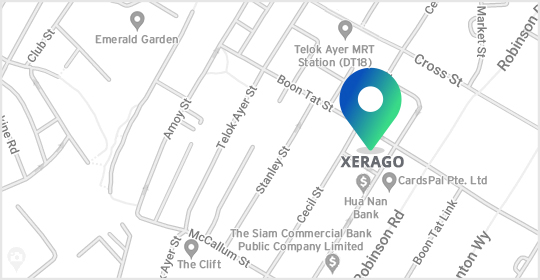
The Octagon Building, #11-07, 105, Cecil Street,
Singapore 069 534
#901, 9th Floor , Ellora Fiesta.
Plot No - 8 , Sector - 11 , Sanpada.
Opp. Juinagar Rly Station.
Navi Mumbai – 400 705

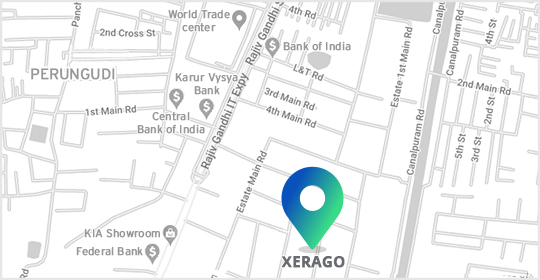
Xerago Towers, Plot 80 & 93,
Industrial Estate, Perungudi,
Chennai, Tamil Nadu - 600096




(Coming Soon)
2570 N. First Street, Suite 200,
San Jose, CA 95131
Office No. 26, 10/F, Beverley Commercial Centre,
87-105 Chatham Road South,
Tsim Sha Tsui, Kowloon,
Hong Kong
The Octagon Building, #11-07, 105, Cecil Street,
Singapore 069 534
#901, 9th Floor , Ellora Fiesta.
Plot No - 8 , Sector - 11 , Sanpada.
Opp. Juinagar Rly Station.
Navi Mumbai – 400 705
Xerago Towers, Plot 80 & 93,
Industrial Estate, Perungudi,
Chennai, Tamil Nadu - 600096
(Coming Soon)