




Integrating Data from Multiple Touchpoints: Challenges and Solutions
Published: August 11, 2023 | Updated: July 08, 2024
Introduction
In today's data-driven hospitality industry, guest-centricity has become paramount for delivering exceptional experiences. To achieve this, hotels and resorts are increasingly relying on data from multiple touchpoints to gain comprehensive insights into guest preferences and behaviors.
However, integrating data from diverse sources presents a unique set of challenges that demand innovative solutions. In this article, we delve into the complexities faced by the hospitality sector in integrating data from various touchpoints and explore effective solutions to harness the full potential of guest data for enhanced guest experiences and operational efficiency.
The Role of Data Integration in the Hospitality Industry
In the ever-evolving landscape of the hospitality industry, guest-centricity stands as a defining principle that separates successful establishments from their competitors. To achieve the highest levels of guest satisfaction and loyalty, hotels and resorts are increasingly embracing data-driven strategies. By capturing and analyzing data from various touchpoints, including online interactions, mobile applications, loyalty programs, social media, and face-to-face engagements, organizations seek to gain comprehensive insights into guest preferences and behaviors.
In today's hyper-competitive market, guests expect personalized experiences that cater to their individual needs and preferences. This growing emphasis on guest-centric approaches has compelled hospitality companies to harness the power of data integration, enabling them to align their services with the unique requirements of their patrons.
Challenges in Data Integration for the Hospitality Industry

Fragmented Data Sources
The integration of data from multiple touchpoints within the hospitality industry presents a formidable challenge, primarily due to the fragmented nature of data sources.
Hotels and resorts accumulate data from a wide array of channels, including online bookings, mobile apps, guest surveys, social media, and in-person interactions. These diverse data streams often reside in separate systems, departments, or even third-party platforms, leading to the creation of data silos.
Data Quality and Consistency
Ensuring the integrity and accuracy of integrated data is another critical challenge faced by the hospitality industry. Data integration necessitates the merging of information from various sources, each potentially containing disparities in data quality and consistency.
Inconsistent data formats, varying data entry practices, and the lack of standardized data definitions can lead to data quality issues. The presence of duplicate, outdated, or erroneous data within the integrated dataset can compromise the reliability of guest insights and hinder effective decision-making processes.
Data Security and Privacy
The hospitality sector is entrusted with an array of sensitive guest data, including personal identification information, financial details, and booking preferences. Consequently, ensuring data security and privacy protection throughout the data integration process is of paramount importance.
The integration of data from multiple touchpoints poses the risk of potential data breaches and unauthorized access. Hotels must implement robust data encryption, access controls, and authentication measures to safeguard guest information from external threats.
Moreover, compliance with data protection regulations, such as the General Data Protection Regulation (GDPR) and other regional data privacy laws, adds an additional layer of complexity. Non-compliance with these regulations can lead to severe financial penalties and damage to the hotel's reputation.
Data Governance and Ownership
Establishing clear data governance policies and ownership guidelines presents another significant challenge in data integration for the hospitality industry. Determining responsibility for data stewardship and setting guidelines for data access, sharing, and usage is crucial to ensure ethical data practices and maintain data integrity.
Data governance frameworks must address issues related to data ownership, access rights, and data sharing agreements with third-party vendors. Failure to establish robust data governance mechanisms can result in misunderstandings, conflicting data interpretations, and potential legal implications.
Solutions for Effective Data Integration in the Hospitality Industry

In response to the challenges posed by data integration in the hospitality sector, organizations must adopt strategic solutions to harness the full potential of guest data and drive enhanced guest experiences. The implementation of these solutions enables hotels and resorts to streamline their operations, deliver personalized services, and cultivate enduring guest relationships.
Customer Data Platform Implementation
To overcome the issue of fragmented data sources, the hospitality industry can embrace customer data platforms. Such a system serves as a unified repository that consolidates guest data from various touchpoints into a cohesive and accessible platform.
A customer data platform enables seamless data integration, providing a comprehensive view of guest interactions and preferences. This integrated dataset empowers hotels to gain real-time insights, leading to more informed decision-making and more personalized guest experiences.
Data Cleaning and Standardization
Addressing data quality and consistency challenges necessitates the adoption of robust data cleaning and standardization practices. Hotels can deploy automated data cleansing tools and employ data validation techniques to identify and rectify discrepancies within the integrated dataset.
By ensuring data accuracy and standardization, hotels enhance the reliability of guest insights and improve the overall data integrity. Consistent data definitions and formats further contribute to the effectiveness of data integration efforts, enabling a more comprehensive analysis of guest behavior and preferences.
Emphasizing Data Security and Privacy
To address data security and privacy concerns, the hospitality industry must prioritize the implementation of robust data security measures. Hotels and resorts should adopt industry-leading data encryption, access controls, and authentication protocols to safeguard guest information from potential threats.
Furthermore, adhering to data protection regulations, such as GDPR and regional data privacy laws, is essential to maintaining compliance and safeguarding guest trust. Establishing data privacy frameworks and conducting regular audits are instrumental in ensuring ongoing data protection across integrated touchpoints.
Building a Strong Data Governance Framework
To establish data governance and ownership guidelines, hotels and resorts must invest in developing a comprehensive data governance framework. Clear delineation of data ownership, data access rights, and data sharing agreements with third-party vendors helps promote ethical data practices and maintain data quality.
By nurturing a culture of data governance, organizations can foster a sense of responsibility among employees for data stewardship. Regular data governance assessments and ongoing data quality monitoring further support the establishment of a robust and well-structured data governance framework.
Through these solutions, hotels and resorts can enhance guest experiences, optimize operational efficiency, and thrive in an ever-evolving hospitality landscape where data integration is the key to success.
Leveraging Integrated Data for Business Growth in the Hospitality Industry
The successful integration of data from multiple touchpoints empowers the hospitality industry to leverage valuable insights, enhance operational efficiency, and elevate guest experiences to new heights. By capitalizing on the integrated dataset, hotels and resorts can strategically position themselves to achieve sustained growth and remain competitive in a rapidly evolving market.
Enhancing Guest Experiences
Integrated data serves as the bedrock for delivering personalized guest experiences that resonate with individual preferences and expectations. With a comprehensive view of guest interactions and preferences, hotels can curate tailor-made offerings, recommend relevant services, and anticipate guest needs in real-time.
Personalized welcome messages, room preferences, and curated amenities create a lasting impression on guests, fostering brand loyalty and encouraging repeat visits. By enhancing guest experiences through data-driven personalization, hotels can create a strong differentiation in a competitive landscape and secure a loyal and satisfied customer base.
Optimizing Revenue Management
Effective data integration enables hotels to implement sophisticated revenue management strategies. By analyzing historical booking patterns, demand forecasts, and market trends, hotels can set dynamic pricing that maximizes revenue potential during peak periods while enticing guests with attractive offers during low-demand periods.
Furthermore, integrated data allows hotels to identify upselling and cross-selling opportunities, leading to increased ancillary revenue. From personalized room upgrades to bundled service packages, these strategies drive incremental revenue streams while ensuring guest satisfaction.
Streamlining Operations
Data integration streamlines internal operations, optimizing efficiencies across various departments within the hospitality organization. By providing a consolidated view of guest data, hoteliers can streamline check-in and check-out processes, reduce wait times, and enhance overall service efficiency.
Insights derived from integrated data can inform resource allocation decisions, allowing hotels to allocate staff and services based on guest demand patterns. This data-driven approach improves resource utilization, minimizes wastage, and ensures seamless service delivery throughout the guest journey.
Enabling Data-Driven Decision Making
Informed decision-making is crucial to the success of any hospitality establishment. Integrated data equips hoteliers with a wealth of actionable insights, enabling data-driven decision-making across all levels of the organization.
From strategic planning to marketing campaigns, data-driven decision-making enhances accuracy and minimizes risk. By identifying emerging trends, guest preferences, and competitive dynamics, hotels can develop agile strategies that respond promptly to changing market conditions and guest demands.
Conclusion
The integration of data from multiple touchpoints is pivotal for the hospitality industry to elevate guest experiences, optimize operations, and stay competitive in a dynamic market. While challenges such as data fragmentation and quality persist, hotels can overcome them through centralized data management, data cleaning, and robust security measures.
By leveraging integrated data effectively, the hospitality sector can forge deeper connections with guests, achieve sustained growth, and solidify its position as a customer-centric industry leader.
You may also be interested in

Tailoring Content for Personas
Check out how to tailor content for different kinds of personas in your existing guest list.
Download Now
Lifecycle Campaign Ideas for Guest Retention
Ready-to-use ideas for campaigns targeting retention of existing guests.
Download Now
Hospitality Segmentation Strategies
Ready-to-use segment guides for hospitality campaigns targeting existing guests.
Download NowGlobal Office Locations

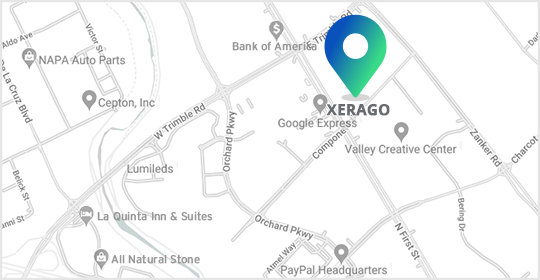
2570 N. First Street, Suite 200,
San Jose, CA 95131
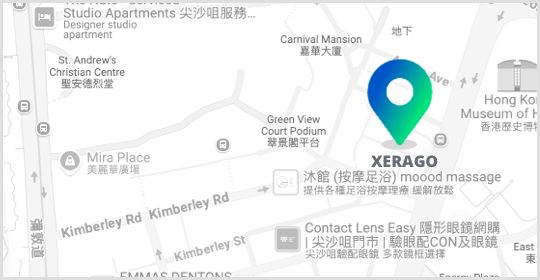
Office No. 26, 10/F, Beverley Commercial Centre,
87-105 Chatham Road South, Tsim Sha Tsui, Kowloon,
Hong Kong
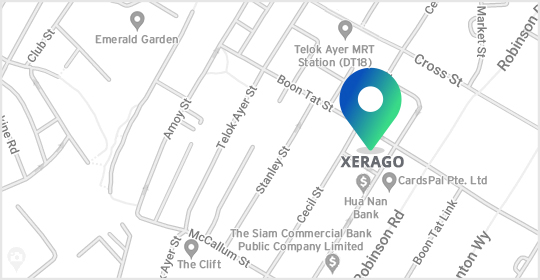
The Octagon Building, #11-07, 105, Cecil Street,
Singapore 069 534
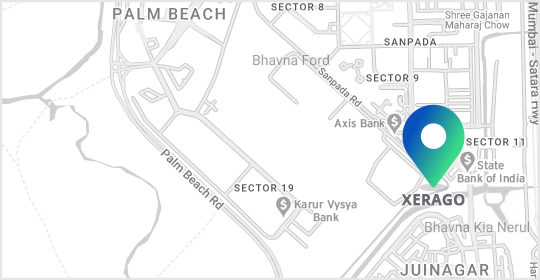
#901, 9th Floor , Ellora Fiesta.
Plot No - 8 , Sector - 11 , Sanpada.
Opp. Juinagar Rly Station.
Navi Mumbai – 400 705
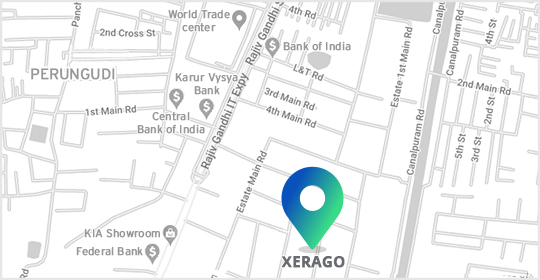
Xerago Towers, Plot 80 & 93,
Industrial Estate, Perungudi,
Chennai, Tamil Nadu - 600096


(Coming Soon)
2570 N. First Street, Suite 200,
San Jose, CA 95131
Office No. 26, 10/F, Beverley Commercial Centre,
87-105 Chatham Road South,
Tsim Sha Tsui, Kowloon,
Hong Kong
The Octagon Building, #11-07, 105, Cecil Street,
Singapore 069 534
#901, 9th Floor , Ellora Fiesta.
Plot No - 8 , Sector - 11 , Sanpada.
Opp. Juinagar Rly Station.
Navi Mumbai – 400 705
Xerago Towers, Plot 80 & 93,
Industrial Estate, Perungudi,
Chennai, Tamil Nadu - 600096
(Coming Soon)