


Ethical Use of Guest Data and Ensuring Data Privacy
Published: August 10, 2023 | Updated: July 08, 2024
Introduction
In today's data-driven world, businesses across industries, particularly in hospitality industry, are leveraging guest data to gain valuable insights, optimize their operations, and enhance customer experiences. However, the ethical use of guest data and ensuring data privacy have become critical concerns for organizations.
In this article, we delve into the importance of ethical data practices, and the strategies that companies must adopt to protect guest data while maintaining their competitive edge.
Understanding the Significance of Ethical Data Practices
Ethical data practices are no longer just a moral imperative; they serve as a critical element in establishing sustainable business growth and ensuring customer confidence.
Responsible utilization of guest data enables companies to design personalized marketing campaigns, optimize pricing strategies, and tailor product offerings to specific target segments. As a consequence, this leads to heightened customer loyalty, reduced churn, and an overall enhanced brand perception.
Transparency and Trust
Transparency and trust constitute the foundation of any successful business-consumer relationship. Ethical data practices necessitate a candid and forthright approach towards customers regarding data collection, processing, and usage practices. When companies exercise transparency about their data practices, customers are more inclined to willingly share their information.
Proactively communicating how guest data will be utilized, while aligning with customer expectations, enables organizations to cultivate trust. Trust, in turn, fosters loyalty, giving rise to enduring customer relationships and positive word-of-mouth, which assumes immense value within the contemporary interconnected digital landscape.

Legal and Regulatory Landscape
As the volume and significance of guest data continue to escalate, so does the regulatory scrutiny surrounding its usage. Governments and regulatory bodies worldwide are enacting comprehensive data protection laws, imposing stringent compliance requirements on businesses. Evidenced by the General Data Protection Regulation (GDPR) in Europe, the California Consumer Privacy Act (CCPA) in the United States, and similar legislations globally, there exists a pronounced global shift towards fortifying data protection rights for individuals.
Adhering to these evolving legal mandates is not merely a legal obligation but also an imperative in maintaining ethical data practices and mitigating severe financial penalties.
Reputational Impact
Preserving a company's reputation has never been more crucial. Within today's hyper-aware and socially conscious environment, any unethical use of guest data can precipitate significant reputational harm.
Instances of data breaches, unauthorized data sharing, or unethical data practices can rapidly proliferate via social media, inflicting irreparable damage upon a brand's image and eroding customer trust. Companies found wanting in securing guest data may face public backlash, customer attrition, and enduring financial consequences.
Best Practices for Ethical Use of Guest Data
In the pursuit of maintaining data privacy and upholding ethical data practices, organizations must adopt comprehensive strategies to safeguard guest data while deriving valuable insights. Implementing best practices not only ensures compliance with regulatory requirements but also fosters customer trust and strengthens the organization's reputation in an increasingly data-sensitive world.
Data Minimization
At the core of ethical data practices lies the principle of data minimization. Organizations must adopt a prudent approach to data collection, limiting the gathering of guest data to only what is necessary to achieve specific business objectives. By reducing the volume of collected data, businesses can minimize the risk of potential data breaches and unauthorized access. Strategic data minimization also simplifies the process of data handling and management, enabling organizations to focus their efforts on safeguarding a smaller, more manageable dataset.
Anonymization and Pseudonymization
Anonymization and pseudonymization techniques play a crucial role in protecting individual privacy while allowing for the utilization of guest data in aggregate form. Anonymization involves stripping data of personally identifiable information (PII) to ensure that individual identities remain hidden. Pseudonymization, on the other hand, replaces direct identifiers with artificial identifiers, offering an added layer of privacy protection. These practices enable organizations to harness the power of guest data for analysis and insights without compromising individual privacy.
Opt-In Consent
Gaining explicit consent from guests before collecting and utilizing their data is a foundational element of ethical data practices. Implementing robust opt-in consent mechanisms ensures that guests are fully aware of the data collection and usage purposes, granting organizations the necessary legal and ethical foundation to handle guest data responsibly.
Consent should be obtained in a clear and unambiguous manner, giving guests the freedom to opt-out at any time. Transparent communication about data usage policies helps foster a trusting relationship between businesses and their customers.
Data Encryption
Data encryption is a fundamental safeguard against unauthorized access to sensitive guest data. Employing strong encryption algorithms ensures that data is secure during transmission and storage, rendering it indecipherable to unauthorized entities. Adopting end-to-end encryption for guest data transmission protects against potential interceptions during data transfers. Additionally, data-at-rest encryption secures information stored in databases or cloud-based systems, mitigating risks associated with physical or virtual data breaches. Embracing data minimization, anonymization, and pseudonymization techniques enables businesses to derive valuable insights while safeguarding individual privacy. The pursuit of explicit opt-in consent and the implementation of robust data encryption further solidify a foundation of ethical data practices. By integrating these best practices into their data management strategies, organizations can demonstrate a commitment to data privacy, foster customer confidence, and thrive in a data-driven world governed by stringent regulatory standards.
"Data-driven impact with integrity—Xerago's commitment to ethical practises!"
Implementing Ethical Data Governance
To effectively navigate the complexities of data privacy and ensure the ethical use of guest data, organizations must establish a robust data governance framework. Ethical data governance encompasses policies, procedures, and controls that govern the collection, processing, storage, and sharing of guest data. By embedding ethical data governance into their operational DNA, organizations can safeguard guest data and demonstrate a commitment to data privacy and responsible data practices.

Establishing Data Governance Policies
At the core of ethical data governance lies the formulation of comprehensive policies that outline the principles and guidelines governing guest data. These policies should be developed in alignment with legal and regulatory requirements, industry best practices, and the organization's ethical commitments. Data governance policies must address key aspects, such as data access controls, data retention and deletion protocols, data sharing agreements, and data usage limitations. These policies should be clearly communicated across the organization to ensure a uniform understanding and adherence to ethical data practices.
Employee Training and Awareness
Organizations must invest in educating their workforce about data privacy best practices and the significance of ethical data handling. Employee training should encompass data protection protocols, security awareness, and data handling procedures to instill a culture of data responsibility. Awareness campaigns on emerging data privacy trends, evolving regulations, and real-world data breach incidents can enhance employee vigilance. By empowering employees with the knowledge and tools to protect guest data, organizations can mitigate the risk of internal data breaches and unauthorized data access.
Regular Auditing and Compliance Checks
Conducting periodic data privacy audits is essential to evaluate the effectiveness and adherence to data governance policies. Regular assessments help identify potential vulnerabilities and ensure compliance with legal and regulatory requirements. Data privacy audits should encompass a comprehensive review of data handling practices, data security measures, and third-party vendor engagements. Remediation actions should be promptly undertaken to address any identified weaknesses and enhance data privacy posture continually.
Incident Response and Management
Despite robust preventive measures, data breaches or incidents may still occur. Organizations must establish a well-defined incident response and management plan to minimize the impact of such events on guest data and overall business operations. The incident response plan should outline clear procedures for detecting, containing, and mitigating data breaches. It should involve designated response teams, communication protocols for stakeholders, and procedures for reporting incidents to regulatory authorities when necessary. By establishing comprehensive data governance policies, educating employees, conducting regular audits, and having a well-defined incident response plan, organizations can demonstrate their commitment to ethical data practices. As the data landscape continues to evolve, the vigilance and dedication to ethical data governance will remain pivotal in fortifying customer trust, preserving brand reputation, and ensuring compliance with regulatory obligations in an ever-changing data-driven world.
Conclusion
The ethical use of guest data and ensuring data privacy is not only a legal and regulatory requirement but also a crucial aspect of building trust with customers and protecting a company's reputation.
By implementing transparent data governance, prioritizing data privacy, and adhering to ethical standards, organizations can foster a data-driven culture that respects the rights and privacy of their guests while harnessing the power of data for business growth and innovation. As data continues to be a valuable asset, a commitment to ethical data practices will be a differentiator in an increasingly competitive marketplace.
You may also be interested in

Tailoring Content for Personas
Check out how to tailor content for different kinds of personas in your existing guest list.
Download Now
Lifecycle Campaign Ideas for Guest Retention
Ready-to-use ideas for campaigns targeting retention of existing guests.
Download Now
Hospitality Segmentation Strategies
Ready-to-use segment guides for hospitality campaigns targeting existing guests.
Download NowGlobal Office Locations

2570 N. First Street, Suite 200,
San Jose, CA 95131

Office No. 26, 10/F, Beverley Commercial Centre,
87-105 Chatham Road South, Tsim Sha Tsui, Kowloon,
Hong Kong

The Octagon Building, #11-07, 105, Cecil Street,
Singapore 069 534

#901, 9th Floor , Ellora Fiesta.
Plot No - 8 , Sector - 11 , Sanpada.
Opp. Juinagar Rly Station.
Navi Mumbai – 400 705

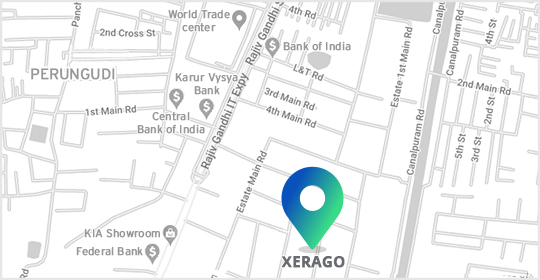
Xerago Towers, Plot 80 & 93,
Industrial Estate, Perungudi,
Chennai, Tamil Nadu - 600096




(Coming Soon)
2570 N. First Street, Suite 200,
San Jose, CA 95131
Office No. 26, 10/F, Beverley Commercial Centre,
87-105 Chatham Road South,
Tsim Sha Tsui, Kowloon,
Hong Kong
The Octagon Building, #11-07, 105, Cecil Street,
Singapore 069 534
#901, 9th Floor , Ellora Fiesta.
Plot No - 8 , Sector - 11 , Sanpada.
Opp. Juinagar Rly Station.
Navi Mumbai – 400 705
Xerago Towers, Plot 80 & 93,
Industrial Estate, Perungudi,
Chennai, Tamil Nadu - 600096
(Coming Soon)