


Future Channels for Hospitality Campaigns - Embracing the New Wave of Customer Engagement
Published: August 12, 2023 | Updated: September 26, 2024
Hospitality industry customers and business practices are evolving rapidly. Adopting technological advancements is de rigor now. So that your hospitality business can thrive in a market with constantly changing consumer behaviors, and tech-savvy travelers with increasing access to information on trends, destinations, peer-reviews and what the competition has on offer.
Hospitality campaigns have historically relied on traditional advertising methods. But the digital age demands a more comprehensive approach. As customers increasingly seek personalized and immersive experiences, hospitality brands must explore innovative channels to interact with their target audience.
The future lies in integrating technology, data-driven insights, and social connectivity to create memorable and seamless guest experiences. This Xerago thought leadership outlines some potential channels that hospitality omnichannel campaigns must consider integrating and drive business growth.
Key Trends Shaping Future Channels:
1. Augmented Reality (AR) and Virtual Reality (VR)
AR and VR technologies are revolutionizing the way customers interact with brands. They lend themselves particularly well to hospitality providers in offering potential guests an immersive experience of the property layout, ambience, facilities, and services.
Hospitality campaigns can leverage these technologies to offer virtual tours of hotels, restaurants, and tourist destinations, giving potential guests a taste of their experience before booking.
AR applications can enhance on-site experiences, too. Interactive walk-throughs of room décor and views from them, facility previews, interactive selection of dining and beverage menus, concierge services, and location-based information.
VR can offer travel demos to potential guests. A taste of the destination they can visit.
Offering AR and VR experiences on the metaverse adds another dimension to the reach and efficacy of campaigns.
2. Voice Search
Hospitality businesses must consider integrating increasingly popular voice search capabilities into hospitality campaigns through voice-activated devices.
Brands can optimize their websites and apps for voice queries, enabling seamless voice-based reservations, recommendations, and customer service support. Integrating with smart assistants like Amazon Echo or Google Home could become essential.
3. Wearables
Hospitality businesses should build the infrastructure to support wearables in a variety of roles so campaigns can highlight them as unique privileges or attractions.
Wearables can be used in multiple situations.
- Smart watches or NFC enabled straps for Keyless room and facility entry and access to other secured areas. Guests used to traditional keycards and a proclivity for losing them will appreciate the innovation.
- As a Staff connectivity tool for better coordination, quicker response times and improved efficiency in guest service.
- To provide personalized experiences: Wearables can track guest preferences and behavior. Hotels and resorts can use this data to provide personalized recommendations and services, such as dining options, spa treatments, or activities.
- Virtual Concierge: Concierge services, providing guests with information about the hotel facilities, local attractions, and real-time assistance in multiple languages, can be provided on wearable devices.
- Contactless payments: Guests can use wearables to make purchases at restaurants, gift shops, or other on-site facilities without the need to carry cash or credit cards.
Hospitality campaigns that position the use of wearables, possibly as a joint brand promotion with OEMs, will appeal to guests for their novelty and efficiency. Your hospitality brand will also be known as first-mover adopters. And set the trend for the rest of the industry.
4. Phygital
Infuse hospitality campaigns and experiences with interactive content. Interactive kiosks on properties where guests can get to know more about the culture, cuisine, places to experience, 360-degree videos can deepen engagement and deliver a delightful experience. This also provides an opportunity for hospitality brands to use these kiosks as a channel for campaigns.
5. Streaming Platforms
Hospitality omnichannel campaigns must include streaming platforms/OTT to feature your establishment and experiences in travel-related shows or series. This boosts visibility and appeal to travelers. The targeting capabilities offered by these platforms make these platforms an essential component of your media mix.
6. Messaging Apps
Integrating chat marketing and messaging apps into hospitality campaigns enables direct and personalized communication with guests. Brands can use WhatsApp, Facebook Messenger, Instagram, or other platforms to send booking confirmations, pre-arrival information, and post-stay feedback requests.
7. Metaverse
The metaverse as a campaign channel has the potential to create experience for guest leads those other channels fall short of. Because its nature is that of a virtual world where visitors engage in various experiences, it offers interesting opportunities for brand awareness campaigns.
Hospitality brands can organize virtual events on the metaverse. Workshops, experience launches, or themed events that showcase their offerings and engage with potential guests from around the world.
The metaverse is also an exciting channel for running virtual Rewards and Loyalty Programs. Potential guests can earn virtual points or tokens for participating in campaigns, attending virtual events, or making bookings, which they can redeem for real-world rewards or exclusive experiences.
Though in the early stages of adoption, the metaverse channel specifically supports building a Virtual Community around your hospitality brand. Create virtual hangout spots or gathering places where users can interact, share experiences, and exchange travel tips, enhancing the overall guest experience.
8. Large Language Models Driven Chatbot
As a specific application of generative AI, LLM model based chatbots can be used as a channel to deliver hospitality campaigns.
These chatbots can handle the following:
- Handle guest inquiries and guest support: Guests and travelers can get instant support for common questions, such as booking inquiries, hotel amenities, check-in/check-out procedures, and more.
- Deliver interactive and engaging content such as interactive quizzes, virtual tours, or personalized travel itineraries.
- Collect guest feedback and analyze their responses to identify areas for improvement in your hospitality services.
Conclusion
Hospitality providers will do well to embrace these future channels to stay competitive and relevant. And even make guest experiences fun. Successful omnichannel campaigns will combine the power of technology, data insights, and human touch to create immersive guest experiences and foster long-lasting relationships.
Recognize and integrate these emerging channels into campaigns. As a hospitality brand, you will be seen as being proactive in adopting new ways to connect with guests. And set the stage for continued growth and success in the ever-changing landscape of travel and tourism.
You may also be interested in

Hospitality Segmentation Strategies
Ready-to-use segment guides for hospitality campaigns targeting existing guests.
Download Now
Lifecycle Campaign Ideas for Guest Retention
Ready-to-use ideas for campaigns targeting retention of existing guests.
Download Now
Omnichannel Campaign KPIs
Campaign related KPIs for hospitality brands beyond RevPAR and Occupancy Rate.
Download NowGlobal Office Locations

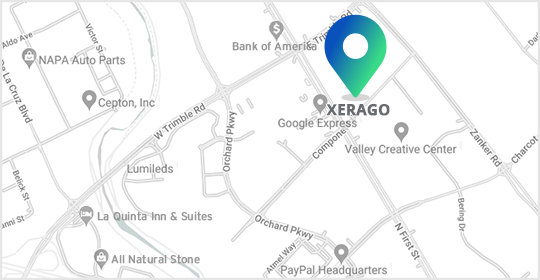
2570 N. First Street, Suite 200,
San Jose, CA 95131
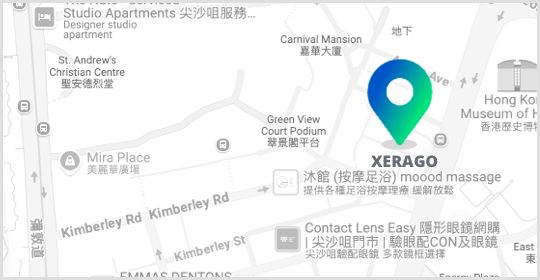
Office No. 26, 10/F, Beverley Commercial Centre,
87-105 Chatham Road South, Tsim Sha Tsui, Kowloon,
Hong Kong
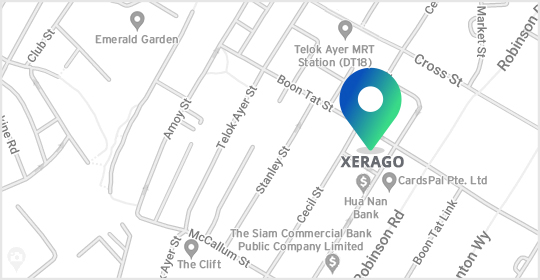
The Octagon Building, #11-07, 105, Cecil Street,
Singapore 069 534
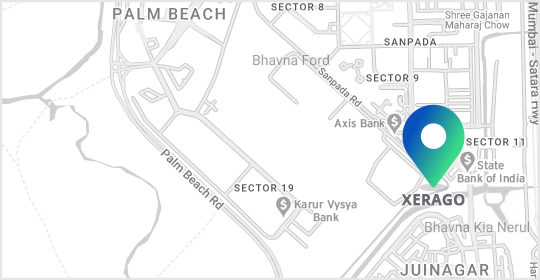
#901, 9th Floor , Ellora Fiesta.
Plot No - 8 , Sector - 11 , Sanpada.
Opp. Juinagar Rly Station.
Navi Mumbai – 400 705
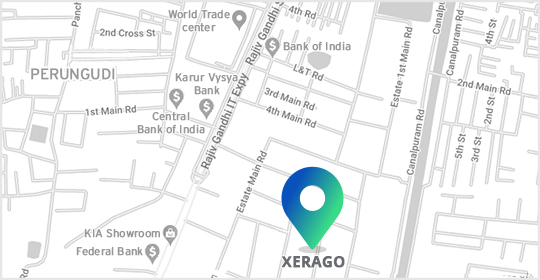
Xerago Towers, Plot 80 & 93,
Industrial Estate, Perungudi,
Chennai, Tamil Nadu - 600096

(Coming Soon)
2570 N. First Street, Suite 200,
San Jose, CA 95131
Office No. 26, 10/F, Beverley Commercial Centre,
87-105 Chatham Road South,
Tsim Sha Tsui, Kowloon,
Hong Kong
The Octagon Building, #11-07, 105, Cecil Street,
Singapore 069 534
#901, 9th Floor , Ellora Fiesta.
Plot No - 8 , Sector - 11 , Sanpada.
Opp. Juinagar Rly Station.
Navi Mumbai – 400 705
Xerago Towers, Plot 80 & 93,
Industrial Estate, Perungudi,
Chennai, Tamil Nadu - 600096
(Coming Soon)